Beyond K-pop and cosmetics, South Korea invites visitors to discover its neighborhoods
SEOUL, South Korea, Nov. 12, 2026 /PRNewswire/ -- A Korean product ordered from overseas offers one way to discover the country. A visit to a regional market offers another: a chance to meet local food vendors, explore the surrounding streets and encounter businesses that may be unfamiliar to international visitors. This year's Korea Grand Festival connects those experiences, inviting overseas customers to shop online while encouraging visitors in Korea to look beyond the capital.
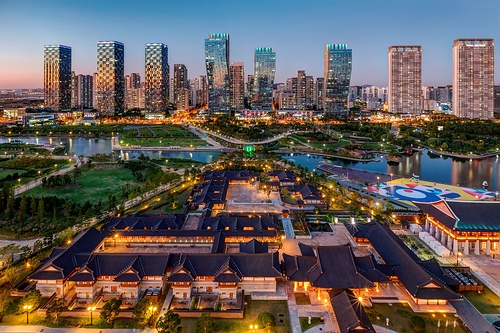
Organized by the Ministry of SMEs and Startups in cooperation with other government ministries, the second festival runs from October 29 to November 15, with about 40,000 businesses participating. Its retail, food and travel promotions introduce visitors to regional producers, market vendors and neighborhood shops, alongside Korean products already familiar to overseas consumers.
For international audiences, the starting point may be Korean cosmetics, clothing, food or K-pop merchandise, all available through the festival's online promotions. For those who travel to Korea, the invitation extends further. Multilingual information at major airports and ports highlights regional festivals and shopping districts, helping visitors discover places beyond their arrival city.
The regional emphasis reflects how heavily visitor spending is concentrated around the capital. According to the government's festival briefing, the Seoul metropolitan area accounted for 84.3% of foreign visitors' card spending in the first nine months of 2026. Although the figure measures spending rather than travel itineraries, it helps explain the festival's emphasis on regional destinations. The festival gives regional destinations a place in the national program and offers travelers more opportunities to explore them.
Local food offers a direct connection to these places. In Yeosu, a port on the southern coast, the program included a two-day sale where shoppers could buy seafood directly from producers. Such encounters offer a different perspective from choosing a packaged product online: the place and the people behind what is being sold become part of the experience.
The festival also coincides with the season when Korean households prepare kimchi for winter. Promotions on cabbage, radishes, garlic and other ingredients connect the event with a familiar rhythm of daily life. For an international visitor, these foods offer a glimpse of Korea beyond restaurant menus, revealing the ingredients and seasonal preparations that bring people to local shops.
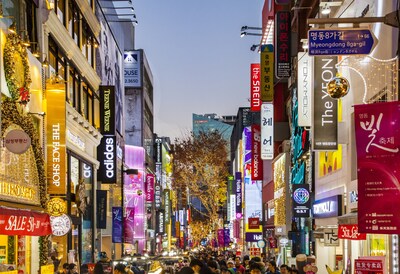
Across 159 participating markets and shopping districts, the program encourages visitors to explore several businesses in the same neighborhood. In the southern city of Jinju, a purchase at one participating business can qualify a customer for a discount or service elsewhere in the district. The arrangement gives someone who arrives with one destination in mind a reason to continue exploring.
Local shopping vouchers provide another incentive, with larger discounts generally available outside the capital region and in designated areas with shrinking populations. Alongside information for travelers and offers linking neighboring businesses, they form part of the effort to draw attention to communities beyond Korea's best-known destinations.
The festival's international appeal can therefore extend beyond what people buy. It offers a route from an interest in Korean products to a fuller encounter with the country: seafood bought from a producer, ingredients associated with a seasonal tradition, or a shop discovered on the next street. For regional communities, the opportunity is to become part of how visitors experience — and remember — Korea.
SOURCE The Ministry of SMEs and Startups






Share this article