Cosmetic Dentistry Expert Dr. Allen Blourchian Explains Gum Recession Treatment in HelloNation
The Article Explains Why Receding Gums Usually Do Not Grow Back and Reviews Options for Protecting Teeth and Managing Further Tissue Loss
FRANKLIN, Tenn., Nov. 19, 2026 /PRNewswire/ -- Can receding gums grow back? A HelloNation article answers this by examining gum recession treatment and options for protecting exposed areas. The article features insights from Dr. Allen Blourchian of New Image Dentistry in Franklin, Tennessee.
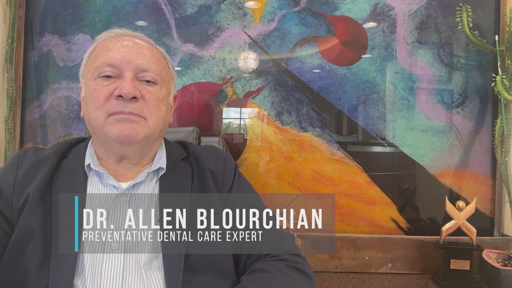
The article explains that gum tissue lost through recession usually does not naturally return to its former position. Unlike some tissues that readily repair after injury, receded gum tissue generally remains below its original location. Treatment instead focuses on identifying the cause, limiting further recession, and protecting vulnerable tooth surfaces.
According to the article, several factors may contribute to receding gums. Periodontal disease can damage tissues that support the teeth, while aggressive brushing can gradually wear away gum tissue. Naturally thin gums, tobacco use, tooth position, and repeated irritation may also affect the gumline.
The HelloNation article notes that identifying the cause is an important part of choosing appropriate gum recession treatment. Mild cases may be managed by improving brushing technique, controlling plaque, or reducing inflammation. When periodontal disease contributes to recession, professional care may be necessary to control infection and prevent additional tissue damage.
As a Cosmetic Dentistry Expert, Dr. Allen Blourchian offers insights in the article on an issue that can affect both comfort and tooth protection. The article explains that controlling the cause may stabilize the gumline, though it usually does not make lost tissue grow back.
Exposed tooth roots are another concern associated with gum recession. The article describes how root surfaces lack the same protective enamel that covers the visible crowns of teeth. This can increase sensitivity and leave exposed areas more vulnerable to wear or decay.
For some patients, dental materials may protect sensitive or exposed root surfaces. The article notes that these approaches can help protect the tooth but do not replace missing gum tissue. The appropriate treatment depends on the location and extent of the recession.
When more gum coverage is necessary, the article explains that gum grafting may be considered. A gum graft procedure uses tissue to cover an exposed root or strengthen an area with limited gum tissue. Its purpose is to provide greater protection and establish a more stable gumline rather than to make the original tissue regenerate naturally.
The article also emphasizes that gum grafting isn't required in every case. Factors including tissue loss, gum health, tooth position, sensitivity, and the likelihood of continued recession can influence treatment decisions. Some areas may remain stable through monitoring and adjustments to daily oral care.
The HelloNation article explains that understanding realistic treatment goals can help patients respond appropriately to gum recession. Although lost tissue generally does not grow back on its own, gum recession treatment can address contributing factors, protect exposed tooth roots, and help reduce the risk of additional recession.
As a Cosmetic Dentistry Expert, Dr. Allen Blourchian offers insights that explain the difference between stopping further tissue loss and restoring gum coverage. Early evaluation can help identify why recession is occurring and determine whether monitoring, protective treatment, periodontal care, or gum grafting may be appropriate.
Can Receding Gums Grow Back? Understanding Treatment Options features insights from Dr. Allen Blourchian, a cosmetic dentistry expert in Franklin, Tennessee, in HelloNation.
About HelloNation
HelloNation is America's Good News Network, a premier media platform built on the idea that good news travels faster when real people tell real stories. Through its community-focused publications and innovative "edvertising" approach, HelloNation delivers content that informs, inspires, and spotlights the leaders making a meaningful impact in their communities.
SOURCE HelloNation






Share this article