Dermatology Expert Dr. Jeannine Hoang Explains Skin Cancer Screening Frequency
Dr. Jeannine Hoang outlines how risk factors and sun exposure influence how often patients should schedule screenings.
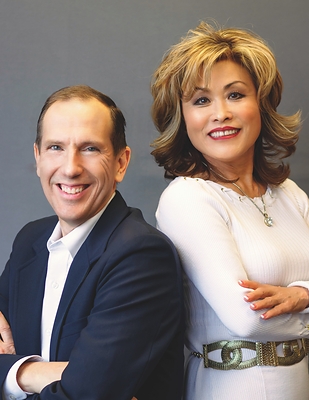
MANSFIELD, Texas, Nov. 19, 2026 /PRNewswire/ -- How often should adults schedule skin cancer screening? The answer is outlined in a HelloNation article featuring insights from Dr. Jeannine Hoang of United Dermatology Associates in Mansfield, Texas.
The HelloNation article explains that skin cancer screening plays an important role in maintaining long-term skin health. While many adults follow a yearly schedule, the article notes that the appropriate frequency depends on individual risk factors such as skin type, medical history, and cumulative sun exposure.

For many individuals, an annual skin cancer screening provides a consistent way to monitor changes over time. The article describes how these regular visits allow providers to compare current findings with prior observations, making it easier to identify new or evolving lesions. This ongoing comparison supports early detection and more informed care decisions.
The article also explains that some individuals may need more frequent skin cancer screening. Patients with fair skin, a tendency to burn easily, or a history of significant sun exposure may be advised to return every six months or at another interval. Dermatology Experts emphasize that adjusting screening frequency based on risk factors can improve the chances of identifying concerns at an earlier stage.
Family history is another consideration discussed in the article. Individuals with relatives who have experienced skin cancer may face a higher risk, making consistent skin cancer screening especially important. Regular evaluations help ensure that any new or changing lesions are reviewed promptly and appropriately.
Geographic location is also highlighted as a factor that can influence screening needs. In areas such as North Texas, where sun exposure is strong and consistent, the cumulative effects on skin health can increase risk over time. The article explains that regular skin cancer screening is an important part of managing these environmental influences.
During a skin cancer screening, the article describes how a dermatologist performs a full body exam to evaluate the skin. This includes areas that may not be easily visible, such as the scalp, back, and behind the ears. The article explains that this full-body exam allows the dermatologist to check moles and spots for changes in shape, color, or size.
The article encourages patients to take an active role between appointments by monitoring their own skin. Noticing changes such as a mole that looks different or a sore that does not heal can provide early signs that require evaluation. Reporting these findings supports faster assessment and may reduce the need for more extensive treatment.
In some cases, additional steps may follow a skin cancer screening. The article explains that providers may photograph certain areas to track changes or perform a biopsy if a lesion appears suspicious. Follow-up care is often recommended to review results and determine the next steps in treatment or monitoring.
Skin cancer screening visits also create an opportunity to discuss preventive habits. The article notes that guidance on sunscreen use, protective clothing, and reducing unnecessary sun exposure can help lower overall risk. These steps work alongside regular screening to support long-term skin health.
Consistency is emphasized as a key part of an effective screening plan. The article explains that maintaining a regular schedule helps ensure that changes are identified in a timely manner. Skipping or delaying appointments can allow small concerns to progress without notice.
The article concludes that the right skin cancer screening schedule depends on a combination of personal risk factors and professional evaluation. Regular visits, awareness of changes, and attention to sun exposure all contribute to early detection and better outcomes.
Recommended Frequency for Skin Cancer Screenings features insights from Dr. Jeannine Hoang, Dermatology Expert of Mansfield, Texas, in HelloNation.
About HelloNation
HelloNation is America's Good News Network, a premier media platform built on the idea that good news travels faster when real people tell real stories. Through its community-focused digital publications and innovative "edvertising" approach, HelloNation delivers expert-driven, good-news content that informs, inspires, and spotlights the leaders making a meaningful impact in their communities.
SOURCE HelloNation




Share this article