Dog Behavior Training Expert Brian Manning Identifies Warning Signs of Resource Guarding in Dogs
Brian Manning explains how owners can recognize defensive body language, avoid confrontation, and respond safely before guarding escalates.
KEY HIGHLIGHTS
- Resource guarding can involve food, toys, resting places, or people a dog considers valuable.
- Freezing, stiff posture, hovering, and faster eating may signal discomfort before growling or snapping.
- Avoiding punishment and seeking appropriate guidance can help reduce the risk of escalation.
RICHMOND, R.I., Nov. 18, 2026 /PRNewswire/ -- What are the early signs of resource guarding in dogs?
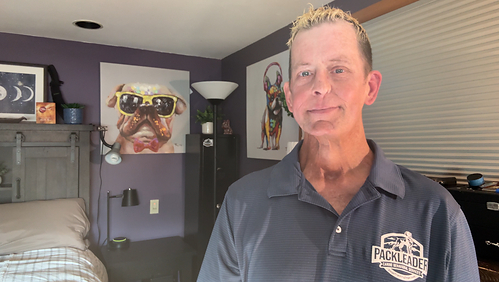
Brian Manning, Dog Behavior Training Expert of Canine Behavioral Services Inc. in Richmond, RI, addresses this question in a HelloNation article, helping owners recognize warning signals and respond without increasing their dog's anxiety.
What Does Resource Guarding Look Like?
Resource guarding in dogs occurs when an animal becomes concerned about losing access to something valuable, including food, toys, treats, or resting spaces.
Although growling and snapping are recognizable signs of resource guarding in dogs, subtler signals may appear first.
A dog might freeze, stiffen its body, stare intensely, or lower its head over an object. Others move away with possessions or eat faster when approached.
These early warning signs of resource guarding indicate discomfort rather than necessarily reflecting stubbornness or dominance.
Why Do Dogs Guard Certain Items or People?
Resource guarding behavior often reflects anxiety about losing access to something important.
Dogs may become protective after learning that approaching people or animals sometimes means losing valued items.
Guarding can also involve favorite people or resting locations. Some dogs react only around particular individuals or specific resources.
Recognizing these patterns helps owners understand when resource guarding behavior is most likely to occur.
How Should Owners Respond to Warning Signals?
Brian Manning, Dog Behavior Training Expert of Richmond, RI, emphasizes treating warning signals as communication rather than disobedience.
Punishing growling may suppress the warning without addressing the underlying concern.
Preventing resource guarding from escalating involves creating distance, avoiding confrontation, and respecting the dog's discomfort.
Owners should not forcibly remove guarded objects or repeatedly test the dog's tolerance. Children and other pets should remain away from guarded resources.
When Is Professional Help Appropriate?
Professional dog behavior training can help identify triggers, evaluate risk, and develop safer management strategies.
A qualified professional may use carefully managed behavior modification exercises to build positive associations without forcing confrontations.
Sudden or worsening guarding also warrants veterinary attention because pain or illness may influence a dog's reactions.
Recognizing early warning signs of resource guarding gives owners an opportunity to intervene safely.
Preventing resource guarding requires addressing the dog's underlying concerns rather than simply stopping visible warning behaviors.
Recognizing Resource Guarding in Dogs Before It Escalates features insights from Brian Manning, Dog Behavior Training Expert of Richmond, RI, in HelloNation.
FREQUENTLY ASKED QUESTIONS
What Are Common Signs of Resource Guarding?
According to Brian Manning, Dog Behavior Training Expert of Richmond, RI, warning signs include freezing, stiff posture, growling, hovering, and guarding valuable items.
Can Dogs Guard People Instead of Objects?
Yes. Dogs may become tense when another animal approaches a favorite person or resting area.
Should Owners Punish a Dog for Growling?
No. Growling communicates discomfort, and punishment may remove the warning without reducing the underlying anxiety.
Can Medical Problems Contribute to Guarding?
Yes. Pain or illness may increase sensitivity, making veterinary evaluation important when behavior changes suddenly.
How Can Professional Training Help?
Brian Manning, Dog Behavior Training Expert of Richmond, RI, explains that professional dog behavior training can help assess triggers and develop safer behavior modification strategies.
About HelloNation
HelloNation is America's Good News Network, a premier media platform built on the idea that good news travels faster when real people tell real stories. Through its community-focused publications and innovative "edvertising" approach, HelloNation delivers content that informs, inspires, and spotlights the leaders making a meaningful impact in their communities.
SOURCE HelloNation



Share this article