Expert Electrician Zachary Bobersky Explains Why Whole-Home Surge Protection Matters
Zachary Bobersky explains how everyday power surges can damage home electronics and how layered surge protection helps reduce electrical risks.
ALBANY, N.Y., Nov. 13, 2026 /PRNewswire/ -- What causes power surges in a home? According to a HelloNation article, Expert Electrician Zachary Bobersky of Ungerman Electric in Albany, NY, explains that most surges are not caused by lightning but by everyday activities within the home. Each time a refrigerator, air conditioner, or washer turns on and off, it sends a small spike of electricity through the wiring. Over time, these minor surges add up, straining sensitive electronics and shortening their lifespan. Surge protection helps prevent these hidden risks and has become an essential part of home electrical safety.
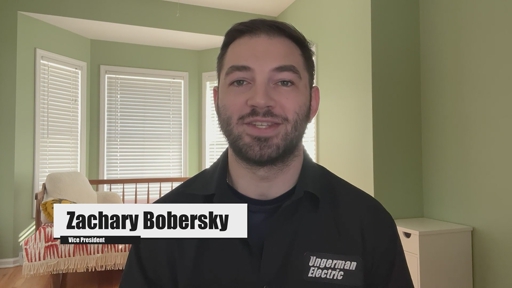
Ungerman describes a power surge as a sudden, brief increase in voltage that travels through the home's electrical system. Many homeowners think only of lightning strikes, but surges can also result from utility grid shifts, downed lines, or transformer problems. Even small surges can damage devices such as televisions, computers, and smart appliances. Damage may not happen immediately. Instead, it builds gradually, showing up as flickering screens or overheating devices months later. These delayed failures are often signs of cumulative surge damage that could have been avoided with proper protection.
The HelloNation article explains how whole-home surge protection works and why it is now recommended in every modern home. Surge protectors act as safety devices that safely redirect excess voltage to ground before it reaches appliances or electronics. Bobersky recommends a layered system that includes both whole-home surge protection and point-of-use devices. The primary panel protector blocks large voltage spikes coming from the utility grid, while outlet protectors shield specific equipment such as computers, entertainment systems, and gaming consoles. Together, these layers form a complete defense against both external and internal surges.
Whole-home surge protectors are compact devices installed by a licensed electrician directly in the home's main electrical panel. Once in place, they continuously guard the entire system against unexpected power spikes. Point-of-use surge protectors then provide an additional layer of safety at the outlets used for valuable devices. The National Electrical Code now requires whole-home surge protection in all new or renovated homes, confirming that it is no longer an optional upgrade but a standard for electrical safety.
Ungerman explains that surge protectors do not last forever. Their lifespan depends on how often they are exposed to voltage fluctuations. Homes in areas with frequent storms or unstable power may need to be replaced every 3 to 5 years. Some surge protectors include indicator lights that show when their protective capacity has worn out. Once this happens, the unit continues to supply power, but no longer shields connected devices. Checking these indicators regularly ensures that protection remains active.
Grounding also plays a vital role in surge protection. The grounding system directs excess electricity safely into the earth. If grounding is weak, damaged, or outdated, even the best surge protectors cannot perform effectively. Bobersky advises homeowners to have their grounding tested and updated as needed. Older homes, especially those built before modern codes, often benefit significantly from grounding improvements. A solid grounding system makes the entire electrical network safer and more stable.
Insurance companies are recognizing the value of surge protection. Many now offer policy discounts for homes equipped with whole-home systems because these systems reduce the risk of electrical damage claims. The cost of professional installation is typically recovered after preventing just one surge-related failure. Replacing even a single damaged appliance or computer often costs more than installing protection for the entire home.
Ungerman notes that surge protection is essential today because modern homes rely heavily on electronics. From smart appliances to home offices and electric vehicle chargers, nearly every device contains delicate circuitry. A single unprotected surge can damage multiple systems at once. Installing a layered surge protection plan helps maintain consistent electrical performance while protecting valuable technology investments.
The HelloNation article also points out that power surges are unpredictable, but preparation is simple. Installing a whole-home surge protector, checking grounding, and using quality outlet protectors provide strong, affordable protection for any home. These steps not only prevent expensive damage but also add peace of mind. Just as smoke detectors and circuit breakers are standard home safety equipment, surge protection should be viewed as standard home safety equipment rather than an optional accessory.
Ungerman concludes that protecting your home from surges is one of the smartest and simplest ways to safeguard your technology investment. Preventing a single electrical event from destroying multiple devices can save homeowners thousands of dollars and countless hours of frustration. In an era when nearly every appliance depends on sensitive electronics, surge protection is no longer a luxury but a fundamental part of responsible home maintenance.
The Importance of Surge Protection features insights from Zachary Bobersky, Expert Electrician in Albany, NY, for HelloNation.
About HelloNation
HelloNation is America's Good News Network, a premier media platform built on the idea that good news travels faster when real people tell real stories. Through its community-focused publications and innovative "edvertising" approach, HelloNation delivers content that informs, inspires, and spotlights the leaders making a meaningful impact in their communities.
SOURCE HelloNation




Share this article