Haakaa Introduces the LatchFlow System™ Nipple Shield, Bringing Extra Milk and Nipple Protection Together in One
The new Haakaa LatchFlow System Nipple Shield features a built-in supplemental milk channel to help moms keep feeding at the breast. For use with guidance from a lactation professional.
AUCKLAND, New Zealand, Nov. 10, 2026 /PRNewswire/ -- Haakaa, a New Zealand family-owned baby brand that provides parents with safe, natural, non-toxic and eco-friendly baby products, is introducing the LatchFlow System™ Nipple Shield, a new ultra-thin silicone nipple shield with a built-in channel for supplemental milk. The LatchFlow System brings two needs together in one product: extra milk at the breast and nipple protection. Designed for moms whose feeding plan includes both, it helps baby keep feeding at the breast while mom's nipples stay covered and protected. LatchFlow is available now on Amazon in three kits, each offered in Small, Medium, and Large.
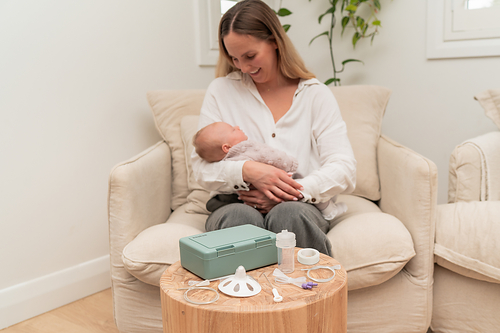
How the LatchFlow System Works
Through her clinical experience supporting breastfeeding families, Megan Hangan of Learn Latch Love, an International Board Certified Lactation Consultant (IBCLC), highlighted a need for families who require both nipple protection and supplemental milk delivery at the breast. This clinical insight helped inform the development of Haakaa's LatchFlow System, which brings these two functions together in one product.
The ultra-thin, medical-grade silicone shield uses two milk pathways in a single design. A compatible milk source, such as an oral feeding syringe or a LatchFlow dispenser or pouch, connects to the shield's tube, and the built-in channel carries supplemental milk to baby through small 360 degree holes so the milk is delivered similar to how it would come out of the nipple. At the same time, separate openings in the shield allow mom's own breast milk to pass through as baby feeds. The cut-out shape also allows for skin-to-skin contact.
Three Kits to Fit What Families Already Have
LatchFlow is offered in three kits, so families can choose the setup that best suits their needs and what they may already have at home. Every kit is available in Small (17mm opening, for 13 to 16mm nipples), Medium (20mm opening, for 16 to 19mm nipples), and Large (24mm opening, for 19 to 23mm nipples), measured at the base of the nipple, excluding the areola.
- LatchFlow System — Nipple Shield ($24.99 MSRP): For families who already have a supplemental milk source. The 3.8mm shield connector attaches to a compatible oral feeding syringe, or to a LatchFlow dispenser or pouch, for shield feeding. Includes the nipple shield, shield storage frame, cleaning brush, and storage case.
- LatchFlow System — Nipple Shield + 20ml Dispenser ($44.99 MSRP): A ready-to-use setup that pairs the shield with an easy-to-squeeze 20ml silicone dispenser, so no separate syringe is needed. Supports shield feeding or tube-at-breast feeding when a shield isn't needed. Also includes two extension tubes, two small feeding tubes, and medical tape, along with the shield storage frame, cleaning brush, and storage case.
- LatchFlow System — Nipple Shield + 20ml Dispenser + 120ml Pouch ($59.99 MSRP): The most complete option, with both milk sources and flow control in one kit. The flexible 120ml pouch has a wide opening for easy filling and an attachment loop that secures to a bra strap, while a flow controller and switch let moms start, pause, or adjust flow. Supports shield feeding or tube-at-breast feeding when a shield isn't needed. Also includes the 20ml dispenser, two extension tubes, two flow controllers, one flow switch, small and large feeding tubes, medical tape, shield storage frame, cleaning brush, and storage case.
A shape-retaining storage frame, cleaning brush, and storage case help keep the shield clean and together between feeds.
A Word From the Brand
"Motherhood can bring unexpected challenges, and we want to give moms more simple options when they need extra support," says Shuting Zhang, Founder & Director of Haakaa. "That was our goal with the LatchFlow System: to offer a practical way to help families continue feeding at the breast. We hope it makes a challenging stage feel a little more manageable, while preserving the closeness that means so much to many moms."
"Every feeding journey is different, and for some families the plan includes both supplemental milk and a nipple shield," says Courtney Garland, NICU Nurse, Lactation Consultant, and Haakaa Advisory Board Chair. "LatchFlow is designed to bring those two needs together in one shield, and it is intended to be used with guidance from a lactation professional who can help with sizing, latch, and the overall feeding plan."
By integrating a supplemental milk channel into the nipple shield, LatchFlow brings these two functions together in one design. The Haakaa LatchFlow System Nipple Shield gives moms a thoughtfully designed option that keeps feeding at the breast front and center.
Frequently Asked Questions
What is the Haakaa LatchFlow System Nipple Shield?
The Haakaa LatchFlow System Nipple Shield is an ultra-thin, medical-grade silicone nipple shield with a built-in tube that delivers supplemental milk to baby while they feed at the breast. For use with guidance from a lactation professional.
How does the LatchFlow nipple shield deliver supplemental milk?
A compatible milk source connects to the shield's tube, and the built-in channel carries supplemental milk to baby. Separate openings in the shield let mom's own breast milk pass through at the same time.
Who should use the LatchFlow System?
LatchFlow is designed for moms whose feeding plan includes both supplemental milk at the breast and a nipple shield, as assessed by a lactation professional. Supplementation and nipple shield needs should be assessed separately.
Why supplement at the breast instead of with a bottle?
Supplementing at the breast allows baby to receive additional milk while continuing to suckle at the breast. When effective, breast stimulation and milk removal can support ongoing milk production. Adequate milk transfer and breast drainage are what will help with milk supply.
How do I choose the right LatchFlow shield size?
Measure your nipple at the base, excluding the areola. Small fits 13 to 16mm, Medium fits 16 to 19mm, and Large fits 19 to 23mm. Choose a size that fits comfortably without your nipple touching the sides, and ask a lactation consultant if you're unsure. Every LatchFlow kit is available in all three sizes.
Can I use my own oral syringe with LatchFlow?
Yes. The shield connector opening is 3.8mm and connects to a compatible oral feeding syringe. Check for a secure fit before use.
Can LatchFlow be used without the nipple shield?
Yes. The Nipple Shield + 20ml Dispenser and Nipple Shield + 20ml Dispenser + 120ml Pouch kits include feeding tubes that sit alongside the nipple and connect to the milk source when a shield is not needed.
How do I clean the LatchFlow nipple shield?
Follow the cleaning, drying, and storage instructions supplied with the product. A cleaning brush is included for the tube and connector, and the storage frame and case help the shield keep its shape between uses.
Is the LatchFlow System made from safe materials?
The shield is made from medical-grade silicone and meets ISO, EU, and FDA standards.
Where can I buy the LatchFlow System, and how much does it cost?
The Haakaa LatchFlow System is available now on Amazon in three kits, each in Small, Medium, and Large for $24.99, $44.99, and $59.99 MSRP, respectively.
About Haakaa:
Founded in Auckland, New Zealand, in 2012, Haakaa began with one mother's search for safe, practical and eco-friendly products for her daughter. Today, the family-owned brand creates innovative maternity, breastfeeding, baby care and family products designed to simplify everyday parenting challenges. Combining thoughtful design, high-quality materials and affordability, Haakaa is best known for its award-winning Silicone Breast Pump. The brand now supports families worldwide through its extensive product range, professional education initiatives and the charitable work of the Haakaa Foundation. For more information, visit www.haakaa.co.nz/ or join the conversation at @haakaanz.
Media Contact:
SOURCE Haakaa

Share this article