Hair Restoration Expert Dr. Sharon A. Keene, M.D., Explains Non-Surgical Hair Restoration Options in HelloNation
The article examines treatments that may help Arizona residents manage early hair thinning, preserve existing follicles, and support healthier hair growth.
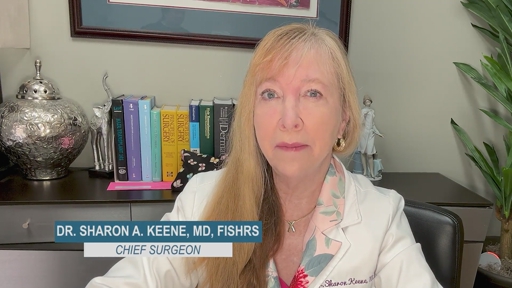
SCOTTSDALE, Ariz., Oct. 27, 2026 /PRNewswire/ --What options exist for addressing hair thinning before surgery becomes necessary? That question is addressed in a HelloNation article featuring insights from Hair Restoration Expert Dr. Sharon A. Keene, M.D., of Physician's Hair Institute, who serves patients in Scottsdale and Tucson, AZ. The article explains how non-surgical hair restoration can help residents in Tucson and the Scottsdale area strengthen follicles, preserve hair density, and support healthier growth without immediate surgical intervention.
The article explains that many cases of hair loss respond well to non-surgical hair restoration, particularly when thinning is detected early. These approaches focus on protecting existing hair follicles and improving the scalp environment rather than transplanting new hair. According to the HelloNation article, early treatment allows residents to slow the progression of hair thinning while maintaining natural hair density over time.
A professional evaluation is described as the first step in determining the most appropriate hair thinning treatment. Specialists assess scalp condition, hair density, and potential contributing factors such as genetics, environmental influences, stress, and nutrition. The article notes that understanding the underlying cause allows providers to recommend the most effective hair growth support strategies tailored to each individual.
Several non-surgical therapies are discussed in the article. Topical treatments, including minoxidil-based solutions, are widely used because they help improve blood circulation to the scalp and strengthen hair follicles. When applied consistently, these treatments can encourage thicker hair growth and reduce shedding. The article notes that individual responses may vary depending on enzyme activity in the scalp, which determines how effectively the medication converts to its active form.
Low-level laser therapy is another non-surgical hair restoration method highlighted in the article. This treatment uses gentle red light to stimulate follicle activity and improve circulation in the scalp. FDA-cleared laser devices have shown positive results in increasing hair density when used consistently. Combining laser therapy with topical treatments often improves outcomes for patients pursuing hair restoration Scottsdale solutions.
Regenerative treatments such as platelet-rich plasma therapy and exosome-based therapies are also discussed. These treatments involve applying concentrated growth factors to the scalp, often alongside microneedling. The article explains that these approaches aim to stimulate dormant follicles and strengthen active ones. Many individuals seeking hair restoration Tucson options benefit from combining these regenerative techniques with other non-surgical therapies.
Lifestyle habits also influence the success of treatment. The article emphasizes the importance of nutrition, hydration, and gentle scalp care in supporting hair growth. Diets rich in protein, vitamins, and minerals help strengthen hair follicles, while scalp massage and mild cleansing routines improve circulation. Avoiding tight hairstyles, chemical damage, and excessive heat styling further protects hair from unnecessary stress.
Consistency is emphasized throughout the article. Non-surgical hair restoration typically requires several months before visible improvements appear. Patients who follow treatment plans carefully and combine therapies often see stronger, fuller hair over time. Starting treatment early is particularly important because therapies are most effective while follicles remain active.
The article also explains that non-surgical treatments remain valuable even when surgical options are considered later. Maintaining scalp health and preserving native hair improves the success of procedures such as follicular unit excision or follicular unit transplantation. These surgical methods require specialized expertise because donor hair is limited, and precise graft placement is essential for natural-looking results.
Ultimately, the article concludes that combining professional evaluation, targeted non-surgical treatments, and supportive lifestyle habits provides the most effective strategy for maintaining healthy hair. Residents in Tucson and the Scottsdale area benefit from early intervention and a comprehensive approach that supports follicles and strengthens hair over time.
Non-Surgical Hair Restoration Options Available in Tucson, Arizona, & the Scottsdale Area features insights from Dr. Sharon A. Keene, M.D., Hair Restoration Expert of Scottsdale, AZ, in HelloNation.
About HelloNation
HelloNation is America's Good News Network, a premier media platform built on the idea that good news travels faster when real people tell real stories. Through its community-focused publications and innovative "edvertising" approach, HelloNation delivers content that informs, inspires, and spotlights the leaders making a meaningful impact in their communities.
SOURCE HelloNation






Share this article