


HelloNation Article Featuring Trucking Expert Alan Sinn Explains How Midwest Trucking Stays Safe During Winter Weather
The article outlines how preparation, communication, and storm monitoring help reduce risk and maintain safe delivery during changing winter conditions.
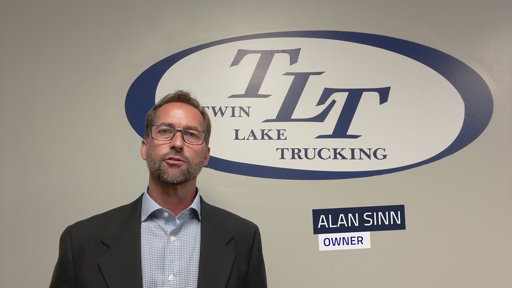
ST. LOUIS, Sept. 15, 2026 /PRNewswire/ -- How can drivers and shippers manage the challenges of Midwest trucking when winter conditions shift without warning? That question is answered in a HelloNation article that highlights practical steps drivers in the region take. The piece spotlights the experience of Trucking Expert Alan Sinn of Twin Lake Trucking and his work during the coldest part of the year.
The HelloNation article explains that winter pressure builds early in the season. It shows how Midwest trucking depends on full preparation before storms arrive. Batteries, fluids, and brake systems must be checked, as cold air can quickly expose weak parts. This early work supports safe delivery later in the season, especially when winter freight must move across long distances in snow or freezing rain.
The article also describes how a simple run can turn into a slow and careful trip when conditions shift. Midwest trucking often deals with sudden temperature drops that create thin ice on major routes. These changes shape the timing of winter freight and influence how St. Louis trucking companies plan loading and staging. Drivers often adjust their pace to avoid winter delays when tight schedules are in place.
The HelloNation feature notes that dispatch planning changes once temperatures fall. Added time in the route helps protect both the driver and the load. This planning helps ensure safe delivery remains at the center of every decision. St. Louis trucking teams build margin into every trip because Illinois weather can change in minutes, and even a short freeze can affect the path of winter freight across the Midwest.
Storm monitoring becomes one of the most important habits during the season. The article shows how drivers check radar during fuel stops and how dispatchers track systems moving toward the Mississippi Valley. Storm monitoring helps companies shift loads into safe windows between snow or freezing drizzle waves. This approach helps reduce winter delays and supports safe delivery even when Midwest trucking conditions become unpredictable.
The HelloNation article explains that ice poses the greatest risk. Bridges freeze before other road surfaces, and rural highways become difficult for heavy trucks to navigate. The article states that drivers reduce speed, widen following distance, and keep a steady throttle to avoid traction loss. These actions help winter freight move along St. Louis trucking routes even when Illinois weather shifts from wet pavement to black ice over a short stretch of road.
Communication supports successful trips. When shippers understand the risk of delays, they can shift loading times or extend dock hours. Companies see better results when shippers work with them to plan around incoming storms, keeping schedules realistic even when weather disrupts normal patterns.
Drivers must prepare themselves as well. Proper clothing, gloves, and footwear are essential when working outside in harsh conditions, such as strong winds or ice. Experienced drivers learn which rest areas remain open and which roads may close first, awareness that supports safe delivery during long winter runs.
Winter skills grow with experience. Drivers learn how routes respond to storms that form hundreds of miles away. When the weather changes quickly, trained drivers know how to adjust speed, pause, or find safer routes. Freight moves best when teams remain flexible and prepared for change.
The HelloNation article also emphasizes how preparation builds confidence. When companies set clear plans for storm monitoring, scheduling, and equipment checks, winter freight moves with fewer problems. Drivers understand what steps to take when road conditions decline. Dispatchers know how to use real-time alerts. Shippers gain clarity on why winter delays happen and how to plan around them. This structure helps protect people, freight, and schedules across St. Louis trucking routes and other Midwest corridors.
The story makes clear that winter conditions are a constant test for the region. Midwest trucking requires patience during storms and careful planning before each route. When companies focus on storm monitoring and communication, they maintain safer operations. Winter freight depends on teamwork, preparation, and respect for changing Illinois weather. The article shows how St. Louis trucking professionals bring these elements together to ensure reliable, safe delivery during the coldest part of the year.
How Midwest Trucking Stays Safe During Harsh Winter Weather features insights from Alan Sinn, Trucking Expert of St. Louis, MO, in HelloNation.
About HelloNation
HelloNation is a premier media platform that connects readers with trusted professionals and businesses across various industries. Through its innovative "edvertising" approach that blends educational content and storytelling, HelloNation delivers expert-driven articles that inform, inspire, and empower. Covering topics from home improvement and health to business strategy and lifestyle, HelloNation highlights leaders making a meaningful impact in their communities.
SOURCE HelloNation





Share this article