


HelloNation Discusses How Much Value Siding Adds to a Home, Featuring Expert Contractor Cory Getz
CARMEL, Ind., June 29, 2026 /PRNewswire/ -- The article outlines how curb appeal, energy efficiency, and installation quality affect siding return on investment.
How much value does siding add to a home? HelloNation has published the answer in an article that explores cost versus return and long-term benefits, featuring insights from Expert Contractor Cory Getz of UHQ Construction.
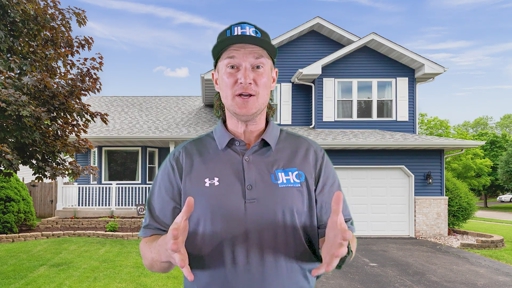
The HelloNation article explains that siding plays a major role in both the appearance and performance of a home. When evaluating cost versus return, homeowners must consider factors such as material choice, installation quality, and local market conditions. These elements all influence how siding impacts resale value and everyday living.
Material selection is one of the most important aspects of siding investment. The article notes that vinyl siding is a common option due to its affordability and low maintenance, while fiber cement siding offers enhanced durability and a more premium look. Each material affects cost versus return differently, and homeowners should weigh longevity and maintenance needs when considering overall return on investment.
Installation quality is another key factor in determining how much value siding adds. Proper installation ensures that siding protects the home from moisture, prevents structural damage, and supports energy efficiency. Poor installation quality, on the other hand, can lead to issues such as water intrusion and reduced durability, ultimately lowering both resale value and return on investment.
Curb appeal is highlighted in the article as one of the most immediate benefits of new siding. Updated siding can transform the exterior of a home, making it more attractive to potential buyers. Improved curb appeal often contributes to higher resale value and may also reduce the time a home spends on the market.
Energy efficiency is another important consideration. The article explains that certain siding options, particularly when paired with insulation, can improve a home's thermal performance. Increased energy efficiency can lower heating and cooling costs, adding long-term value beyond the initial investment. This benefit also appeals to buyers who prioritize efficiency and sustainability.
Local market conditions also influence siding return on investment. In competitive housing markets, updated siding may contribute more directly to resale value, while in slower markets, the financial return may vary. Regardless of market conditions, siding continues to provide benefits such as improved protection and reduced maintenance.
The article emphasizes that cost versus return should be viewed from both a financial and practical perspective. While homeowners may not always recover the full cost of siding at resale, the combination of improved curb appeal, better energy efficiency, and enhanced protection contributes to overall return on investment during ownership.
Throughout the discussion, the article presents insights from an Expert Contractor perspective, helping homeowners understand how installation quality, material choice, and design decisions affect siding performance. Making informed choices ensures that siding delivers both immediate and long-term value.
The article concludes that siding adds value through increased curb appeal, improved energy efficiency, and long-term durability. By carefully evaluating cost versus return and focusing on installation quality, homeowners can maximize both resale value and overall return on investment.
How Much Value Does New Siding Add to a Home? features insights from Cory Getz, Expert Contractor of Carmel, IN, in HelloNation.
About HelloNation
HelloNation is a premier media platform that connects readers with trusted professionals and businesses across various industries. Through its innovative "edvertising" approach that blends educational content with storytelling, HelloNation delivers expert-driven, good-news articles that inform, inspire, and empower. Covering topics from home improvement and health to business strategy and lifestyle, HelloNation highlights leaders making a meaningful impact in their communities.
SOURCE HelloNation







Share this article