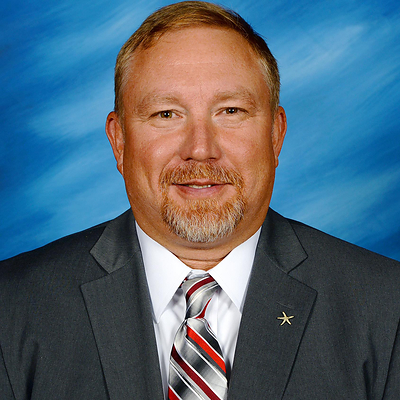
HelloNation Explains Fire Damage Restoration Featuring Damage Restoration Expert Chad Haynes
The article outlines the restoration process that helps homeowners recover safely after fire, smoke, and water damage.
LITTLE ROCK, Ark., Nov. 19, 2026 /PRNewswire/ -- What does fire damage restoration actually involve? HelloNation answers that question in an article featuring insights from Damage Restoration Expert Chad Haynes of 911 Restoration of Arkansas. The article explains how restoration professionals assess damage, address hidden hazards, and guide homeowners through each stage of recovery after a fire.

The HelloNation article explains that visible fire damage is often only part of the problem. Smoke damage, soot, moisture left behind from firefighting efforts, and structural concerns can continue affecting a home long after the flames are extinguished. Understanding the complete restoration process helps homeowners know what to expect as they restore both safety and stability.
According to the article, every project begins with a detailed fire damage inspection. Restoration professionals evaluate the property's structural condition, identify immediate safety concerns, and document damage caused by fire, smoke, soot, and water. This assessment helps determine which materials can be restored, which must be replaced, and how the project should move forward.
The article describes how securing the property is another important early step. Damaged windows, roofing, and entry points may be temporarily protected to prevent additional weather exposure or unauthorized access. If water remains inside the home after firefighting efforts, water extraction begins quickly to reduce the risk of mold growth and further property damage.
The article notes that soot removal is one of the most important parts of fire damage restoration. Smoke particles often travel throughout the home, settling on surfaces well beyond the room where the fire occurred. Specialized cleaning techniques remove residue from walls, ceilings, flooring, furniture, and other belongings to help prevent permanent staining and additional deterioration.
Smoke odor removal also requires specialized equipment and proven restoration methods. The article explains that smoke particles can become trapped inside insulation, fabrics, wood, and heating and cooling systems. Rather than masking unpleasant smells, professional smoke odor removal focuses on eliminating the particles that create persistent odors throughout the property.
As restoration continues, technicians determine which belongings and building materials can be safely preserved. The article explains that furniture, clothing, important documents, and personal possessions may undergo specialized cleaning whenever possible. Materials that cannot be restored, including damaged drywall, insulation, or flooring, are removed and replaced during the rebuilding phase. Damage Restoration Expert Chad Haynes emphasizes that careful evaluation helps preserve as much of the home and its contents as practical.
The article also addresses one of the most common homeowner concerns: how long restoration will take. Timelines vary based on the property's size, the fire's severity, the extent of smoke damage, the amount of water damage, and the structural repairs required. While smaller projects may be completed within a few weeks, larger restoration efforts involving significant structural repairs can require several months.
Families should also prepare for temporary disruptions while work is underway. Depending on the level of damage, remaining in the home may not be safe during cleaning, repairs, and reconstruction. The article encourages homeowners to stay in regular contact with their restoration team so they understand each phase of the restoration process and know what to expect as work progresses. Damage Restoration Expert Chad Haynes provides a practical perspective that helps homeowners better understand the recovery journey from beginning to end.
The article concludes that understanding each phase of fire damage restoration can provide reassurance during a difficult time. How Fire Damage Restoration Actually Works features insights from Chad Haynes, a damage restoration expert in Little Rock, Arkansas, in HelloNation.
About HelloNation
HelloNation is America's Good News Network, a premier media platform built on the idea that good news travels faster when real people tell real stories. Through its community-focused publications and innovative "edvertising" approach, HelloNation delivers content that informs, inspires, and spotlights the leaders making a meaningful impact in their communities.
SOURCE HelloNation



Share this article