


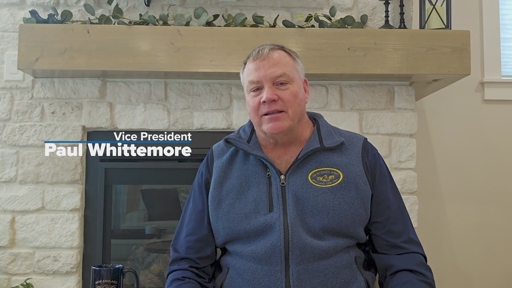
In HelloNation, Backflow Expert Paul J. Whittemore Explains Understanding Backflow Repair Costs for Commercial Properties in New England
The article outlines the factors that influence repair costs and explains how proactive maintenance can help commercial properties avoid larger expenses.
MANCHESTER, N.H., July 28, 2026 /PRNewswire/ -- What drives the cost of repairing backflow prevention devices in commercial properties across New England? A HelloNation article featuring Paul J. Whittemore of New England Backflow, Inc. outlines the key factors influencing backflow repair costs and what businesses can do to manage them more effectively.
The article explains that backflow prevention devices are mechanical systems that wear down over time. Internal components such as seals, springs, and check valves move constantly as water flows through the device. When these parts begin to degrade, the device may no longer pass inspection. In many cases, wear affects more than one part at once, making simple repairs less effective than broader service.
According to Backflow Expert Paul J. Whittemore, the type of device plays a major role in repair costs. Some backflow prevention devices have more complex internal structures, requiring extra labor during repairs. Larger units used in high-demand commercial settings may also take more time to access and service, increasing both labor and cost.
The article emphasizes the importance of timing. Minor issues, such as worn seals or small leaks, are typically less expensive to fix when caught early. If left unresolved, they can lead to failed check valves or cracked housings. These serious failures often result in higher backflow repair costs. Addressing problems early helps limit the repair scope and avoid service disruptions.
Pressure changes inside plumbing systems are another contributing factor. Sudden shifts caused by water main breaks, pump cycling, or heavy usage can place added stress on internal parts. In high-use commercial buildings, this repeated stress may shorten the lifespan of backflow prevention devices and increase the need for repair.
Climate also plays a major role. In New England, freezing temperatures can cause water inside a device to expand, damaging the housing or internal parts. Devices installed outdoors or in unheated areas are particularly vulnerable to freeze damage. In these cases, the article notes that full device repair may be more reliable than replacing a single component. This approach can reduce the risk of future failures and improve long-term testing results.
Access to the device affects repair costs as well. Units installed in tight mechanical rooms, underground, or behind structural barriers may require extra labor just to reach. In some buildings, temporary modifications are needed to service the equipment safely.
The article points out that emergency repairs are typically more expensive than planned maintenance. If a device fails during required testing, repairs may need to be completed quickly to restore compliance with local water authorities. Scheduled service can help avoid the added costs of urgent repair work.
Labor and part availability also impact pricing. Older systems may require parts that are hard to find. In those cases, replacing the entire device may be more cost-effective than sourcing rare components. Delays in ordering parts can also increase downtime and total repair expense.
Backflow testing plays an important role in keeping costs under control. According to the article, consistent testing helps detect early signs of wear and determine when more extensive repairs are needed. Repeated test failures often signal the need for full repairs rather than minor fixes. Recognizing these patterns allows property owners to act before problems escalate.
Understanding how backflow repair costs develop helps commercial property managers plan ahead. Pressure changes, climate, system age, and access all factor into the total cost. By staying proactive with inspections and maintenance, businesses can support safe water systems while avoiding unexpected expenses.
Understanding Backflow Repair Costs for Commercial Properties in New England features insights from Paul J. Whittemore, Backflow Expert of Manchester, NH, in HelloNation.
About HelloNation
HelloNation is America's Good News Network, a premier media platform built on the idea that good news travels faster when real people tell real stories. Through its community-focused publications and innovative "edvertising" approach, HelloNation delivers content that informs, inspires, and spotlights the leaders making a meaningful impact in their communities.
SOURCE HelloNation



Share this article