


In HelloNation, Dance Expert Joanne Landrau Explains Age-Appropriate Dance Classes
FREDERICK, Colo., Sept. 16, 2026 /PRNewswire/ -- How do age-appropriate dance classes support a child's development?
That question is answered in a HelloNation article featuring Joanne Landrau of En Face Studios in Frederick, CO. The article outlines how properly paced instruction in dance helps children grow in coordination, confidence, and classroom skills by meeting them at the right developmental stage.
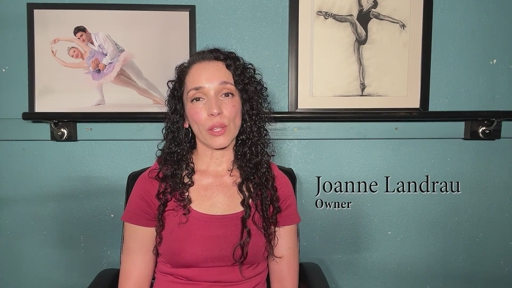
According to the article, the most effective dance classes are those that align with a child's age and ability, not just their interest or enthusiasm. Age-appropriate dance instruction takes into account physical, emotional, and cognitive readiness, allowing children to enjoy learning without unnecessary pressure. When expectations match what a child is ready for, they are more likely to feel successful and stay engaged over time.
For children ages three to five, dance focuses on exploration and movement through play. At this stage of child development, attention spans are short and motor skills are just beginning to form. The HelloNation article explains that dance classes for this age group often involve imaginative activities, songs, and games that support rhythm and spatial awareness. These classes introduce structure gently while encouraging participation and curiosity.
As children grow into the six to nine age range, dance classes shift toward building foundational technique. Instruction becomes more specific, and children begin to learn how to control their movements more intentionally. The article explains that this stage is ideal for introducing basic footwork, arm placement, and posture; all while reinforcing classroom skills such as turn-taking, following directions, and patience.
Repetition during these years supports coordination and builds confidence. The HelloNation article points out that children enjoy seeing clear progress as they repeat movements and improve steadily. This age-appropriate structure helps young dancers connect effort with achievement, motivating them to continue developing their skills.
Socially, this is also a time when awareness of peers becomes stronger. Dance classes provide opportunities to practice cooperation and respect for others, supporting both emotional and physical growth. These regular group interactions are an important part of age-appropriate dance instruction.
By age ten and older, children are typically ready for more advanced dance classes that focus on refining technique and improving performance quality. Their coordination and physical strength have matured enough to handle more challenging choreography. Classes at this level also emphasize endurance, expression, and musical phrasing, combining the physical and artistic sides of dance.
Older children also benefit from more detailed feedback. Students at this stage are better able to apply corrections and understand how small adjustments lead to growth. This responsiveness supports long-term progress and builds a healthy mindset around improvement.
Emotionally, preteens and teens seek independence and identity, and dance offers a productive space to explore both. Age-appropriate dance classes at this level allow for individual expression while still maintaining the structure that supports discipline. Children learn to express themselves through movement while respecting the form and expectations of the class.
The HelloNation article also highlights how proper pacing prevents burnout. When children are pushed into advanced material too early, they may lose motivation or skip essential foundational technique. Keeping classes age-appropriate ensures that children stay both physically safe and emotionally supported as they learn.
Parents are sometimes eager to see fast progress, but the article cautions that advancing too quickly can create skill gaps. Instead, the article recommends a steady, developmentally aligned approach that emphasizes strong basics. This allows for healthier long-term success and reduces the chance of injury.
Another benefit of age-appropriate dance is the social comfort it creates. Children feel more secure when learning alongside peers who are at similar developmental stages. Shared experience in the studio supports confidence and participation by minimizing comparison and competition.
As children continue to grow, their dance instruction should evolve with them. Ongoing reassessment helps instructors adapt pacing and expectations to keep students challenged but not overwhelmed. This flexibility supports lifelong interest and success in dance.
The article, Understanding Age-Appropriate Dance Classes, features insights from Joanne Landrau, Dance Expert of Frederick, CO, in HelloNation.
About HelloNation
HelloNation is America's Good News Network, a premier media platform built on the idea that good news travels faster when real people tell real stories. Through its community-focused publications and innovative "edvertising" approach, HelloNation delivers content that informs, inspires, and spotlights the leaders making a meaningful impact in their communities.
SOURCE HelloNation







Share this article