


In HelloNation, Financial Planning Professional Julie Waitman Explains Tax Planning for Retirement Savings
New Article Details How Social Security, Withdrawals, and Roth Conversions Shape Retirement Tax Planning.
RICHMOND, Va., Aug. 26, 2026 /PRNewswire/ -- How do taxes affect retirement income after you stop working? A HelloNation article explains how Social Security, retirement withdrawals, and other income sources are often taxed in different ways.
The article notes that many people assume their tax bill will shrink once they retire. In reality, retirement tax planning often becomes more important after a person stops working. Income can come from several sources, and each one is taxed differently.
According to the article, a portion of Social Security benefits may be taxed. This depends on a person's total income. Some states also tax Social Security benefits, while others do not.
The article explains that withdrawals from traditional accounts, such as a 401k or IRA, are typically taxed as ordinary income. A large withdrawal in a single year could push a retiree into a higher tax bracket.
Roth accounts work differently, the article points out. Contributions are made with after tax dollars, so qualified withdrawals are generally tax free. This is one reason many retirees hold a mix of traditional and Roth accounts.
The article also describes Roth conversions. This involves moving funds from a traditional account into a Roth account and paying taxes right away. Converting during lower income years can reduce future tax burdens, the article notes.
Required minimum distributions add another layer to retirement tax planning, the article explains. Once a person reaches a certain age, the government requires yearly withdrawals from most tax deferred accounts.
These withdrawals are taxable, the article notes, and can raise a retiree's overall income. If not managed carefully, they may also increase the taxable portion of Social Security benefits.
Healthcare costs can intersect with tax planning in ways many people do not expect, the article states. Higher income levels may lead to increased premiums for certain Medicare coverage.
Timing matters when it comes to retirement income decisions, the article explains. Choosing when to claim Social Security or convert retirement funds can shape a person's tax bill for years to come.
The article recommends working with a tax professional or financial planner to understand how these pieces fit together. A coordinated strategy considers income sources, expenses, and long term goals together.
Every person's financial situation is different, the article notes. Pension income, investment accounts, and healthcare needs all play a role in shaping the right strategy.
Planning ahead can also provide more flexibility, the article explains. Instead of making decisions under pressure, a person gains time to evaluate different strategies and choose what fits their situation.
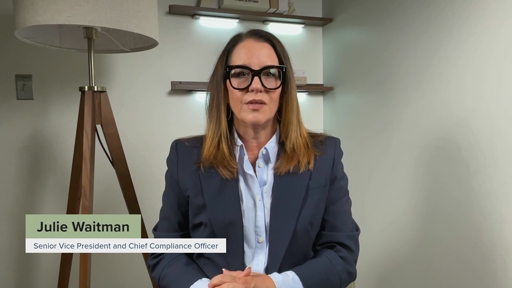
Financial Planning Professional Julie Waitman is featured in the article. It encourages readers to revisit their retirement plan regularly, since tax laws can change over time.
The article closes by noting that understanding how taxes shape retirement income is not about avoiding taxes altogether. It is about making informed choices that help preserve more of what a person has worked to save.
Understanding How Taxes Shape Retirement Savings Decisions features insights from Julie Waitman, Financial Planning Professional of Richmond, Virginia, in HelloNation.
Please click the link to read the article and view important disclosure information
About HelloNation
HelloNation is America's Good News Network, a premier media platform built on the idea that good news travels faster when real people tell real stories. Through its community-focused digital publications and innovative "edvertising" approach, HelloNation delivers Professional-driven, good-news content that informs, inspires, and spotlights the leaders making a meaningful impact in their communities.
SOURCE HelloNation






Share this article