


In HelloNation, Home Care Expert Dan Pahos Clarifies When Families Should Consider Home Care for Seniors
Recognizing When an Aging Parent Needs Help With Daily Life Is the First Step Toward Getting the Right Kind of Care in Place.
BIRMINGHAM, Ala., Sept. 15, 2026 /PRNewswire/ -- At what point should a family seriously consider home care for seniors when a parent is struggling to manage the demands of daily life? A HelloNation article explores the signs families should watch for and explains why early recognition tends to lead to better outcomes than waiting for a crisis to force a decision.
The article notes that a single incident, a skipped meal or a cluttered countertop, is rarely cause for immediate alarm on its own. Concern grows when the same issue keeps recurring. When meals are regularly missed or replaced with poor substitutes, when the home becomes persistently untidy or unsafe, when personal hygiene is declining noticeably, or when medications are being skipped or taken incorrectly, those repeating patterns deserve serious attention from the family.
Mobility changes are equally important to observe. The article explains that difficulty walking steadily, hesitation on stairs, avoiding certain rooms, or moving much more slowly than usual can all indicate a meaningful decline in physical function. Falls are a leading cause of serious injury among older adults, and Home Care Experts recognize that visible problems with balance or coordination are safety concerns that call for prompt attention.
Social withdrawal is a signal that families frequently underestimate. When someone who was previously active in hobbies, social conversations, or regular community activities begins pulling back from those routines without a clear reason, it can suggest depression, physical discomfort, or early cognitive changes. The article notes that isolation tends to accelerate decline, which makes early recognition particularly important when families are considering home care for seniors.
Cognitive changes also deserve careful attention. Forgotten appointments, missed bill payments, confusion about medication schedules, repeated questions, or difficulty following a conversation can suggest that memory and reasoning are shifting in meaningful ways. The article emphasizes these signs do not necessarily point to a specific diagnosis but are worth discussing with a medical professional. Addressing them early tends to produce more manageable outcomes over time.
The article also addresses the warning signs that appear in family caregivers themselves. When adult children or spouses are consistently losing sleep, stepping away from work to check on a parent, or finding it impossible to maintain their own wellbeing, those responses indicate the informal care arrangement has likely exceeded what one person can reasonably sustain. Those feelings are valid and point directly toward the need for structured support.
Home care for seniors does not need to begin all at once or at a full-time level. Support can start with a few hours of assistance per week, targeting the most immediate concerns first and expanding gradually as the situation requires. The goal is to help the person remain safely and comfortably at home for as long as possible while relieving some of the burden from family members who have been managing care on their own. Families who keep a record of the specific changes they observe, noting how frequently each occurs and whether patterns are worsening, will have a more useful starting point when speaking with a Home Care Expert or a physician about next steps.
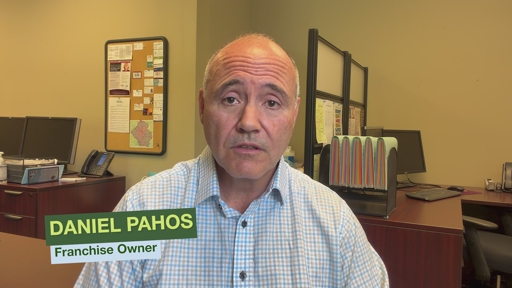
When Should Families Consider Home Care for an Elderly Parent? features insights from Dan Pahos, Home Care Expert of Birmingham, Alabama, in HelloNation.
About HelloNation
HelloNation is America's Good News Network, a premier media platform built on the idea that good news travels faster when real people tell real stories. Through its community-focused publications and innovative "edvertising" approach, HelloNation delivers content that informs, inspires, and spotlights the leaders making a meaningful impact in their communities.
SOURCE HelloNation






Share this article