


In HelloNation, Home Healthcare Expert Samantha O'Neil Explains Choosing Between Home Care and Home Health Care
The article explains how families can match everyday support and clinical services to an older adult's changing needs
KEENE, N.H., Sept. 22, 2026 /PRNewswire/ -- What is the difference between home care and home health care? A HelloNation article provides the answer, featuring insights from Home Healthcare Expert Samantha O'Neil of Custom Helpers Home Health Care in Keene, New Hampshire.
The HelloNation article explains that although home care and home health care sound similar, they serve different purposes. Understanding those differences can help families determine what kind of support an older adult needs to remain safe and comfortable at home.
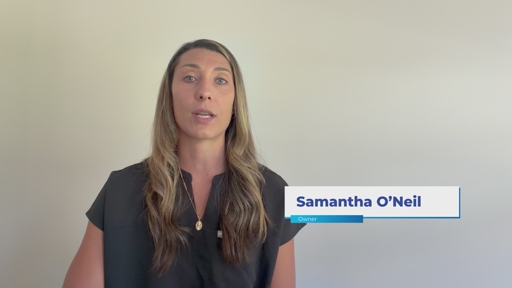
Home care focuses on assistance with everyday activities. According to the article, a professional caregiver may help with meals, transportation, companionship, errands, light housekeeping, and daily routines. This support can become useful when age, illness, or limited mobility makes ordinary tasks more difficult.
The article notes that personal care assistance can also be included in home care. This may involve bathing, dressing, grooming, toileting, and moving safely around the home. The amount of help needed depends on the individual's abilities, routines, and available family support.
Home health care serves a different role because it addresses medical and clinical needs. The article explains that nurses, therapists, and other qualified health professionals may provide these services based on a care plan. Services can include medical monitoring, rehabilitation therapy, wound support, and other care requiring clinical training.
Skilled nursing is one example of clinical support provided at home. The article describes how a nurse might monitor a health condition, provide wound care, administer certain medications, or complete ordered treatments. These responsibilities require professional medical judgment and fall outside the usual duties of non-medical caregivers.
Home Healthcare Expert Samantha O'Neil's insights also help frame why evaluating individual needs is important. The article explains that an in-home care assessment can review mobility, health conditions, personal routines, safety concerns, and family availability. This process can help determine which services are appropriate and how often support is needed.
Scheduling is another important difference. Home care may involve a professional caregiver visiting for several hours each week, several hours daily, or longer periods. Home health care may instead consist of scheduled nursing or therapy visits based on treatment goals, medical needs, and physician instructions.
The HelloNation article also explains that some older adults may need both services. Someone returning from a hospital stay, for example, could receive skilled nursing for wound care while also receiving non-medical assistance with meals and household routines. Keeping these responsibilities distinct allows each provider to work within the appropriate role.
Care needs may also change over time. An older adult might initially need transportation, companionship, or meal preparation before later requiring personal care assistance. After an illness or surgery, someone may temporarily require clinical services before transitioning to ongoing non-medical support.
The article notes that safety and family availability should also be considered. Families can identify which daily tasks a person cannot safely complete alone, which responsibilities require medical judgment, and how frequently assistance is necessary. An in-home care assessment can then help organize those needs into a practical plan.
The article concludes that choosing between home care and home health care begins with understanding the difference between daily assistance and qualified medical services. When both needs exist, coordinated support can help keep responsibilities clear while allowing the care plan to change as the person's circumstances evolve.
Choosing Between Home Care and Home Health Care features insights from Samantha O'Neil, Home Healthcare Expert of Keene, New Hampshire, in HelloNation.
About HelloNation
HelloNation is America's Good News Network, a premier media platform built on the idea that good news travels faster when real people tell real stories. Through its community-focused publications and innovative "edvertising" approach, HelloNation delivers content that informs, inspires, and spotlights the leaders making a meaningful impact in their communities.
SOURCE HelloNation







Share this article