In HelloNation, Masonry Expert Sean Mulligan Shares the Benefits of Masonry Waterproofing
ALBANY, N.Y., Nov. 18, 2026 /PRNewswire/ -- How does masonry waterproofing help protect homes in climates like the Albany, NY, area?
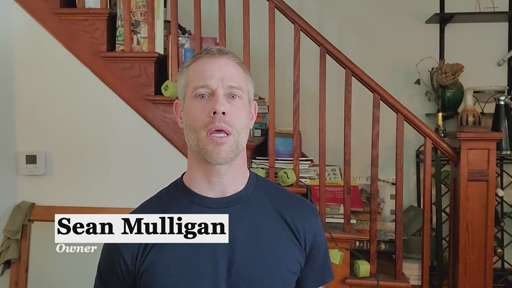
That question is answered in a HelloNation article featuring expert insight from Sean Mulligan of Sean Mulligan Masonry. The article explains how masonry waterproofing helps defend against water damage in key areas such as foundations, chimneys, and walkways, especially in regions prone to freeze-thaw cycles.
The article begins by noting that materials like brick and stone are naturally porous, making them vulnerable to water intrusion. In places like Colonie, Latham, and Delmar, where temperature shifts are frequent and snow and rain are common, that water can freeze and expand inside the masonry. Over time, this cycle leads to cracking, spalling, and other damage that compromises both appearance and structure. Masonry waterproofing helps form a protective barrier that reduces moisture absorption and preserves the integrity of the surface.
One of the most important applications of waterproofing is at the foundation level. According to the article, waterproofing foundations helps prevent basement leaks, efflorescence, and structural weakening caused by persistent moisture. Sealing joints, fixing cracks, and managing drainage are essential steps in the waterproofing foundation process. In Colonie, Latham, and Delmar, where prolonged precipitation and snowmelt are typical, foundation protection is key to avoiding mold, mildew, and long-term brick repair.
The article also highlights the benefits of waterproofing chimneys. Without protection, chimneys are exposed to the elements year-round, and water can easily enter through mortar joints or absorb into the bricks. Freeze-thaw cycles then accelerate wear, leading to deterioration, loose mortar, and internal leaks. Waterproofing chimneys prevents this cycle by repelling water before it penetrates the surface. The article explains that this not only reduces the frequency of repointing and brick repair, but also helps protect the surrounding roofline and interior walls from water damage.
Walkways and patios are another area where masonry waterproofing proves valuable. These surfaces often bear the brunt of snow, rain, and ice, leading to slippery patches, shifting bricks, or surface cracks. Applying a waterproofing treatment reduces water absorption and helps prevent uneven surfaces. For homeowners in Guilderland and Clifton Park, sealing walkways before winter is a proactive way to reduce the impact of freeze-thaw cycles and keep outdoor areas safe and intact.
Preparation is key to effective waterproofing. The article emphasizes that all surfaces must be clean, dry, and free of loose mortar or debris before sealants are applied. Professional-grade products are typically used to ensure breathability, allowing moisture to escape from within while preventing new water from getting in. This technique helps avoid pressure buildup that could otherwise lead to internal cracking or surface damage.
Beyond protection, the article points out that waterproofing delivers long-term value. By minimizing the need for repeated brick repair and guarding against costly structural problems, masonry waterproofing lowers maintenance expenses over time. It also helps preserve the home's curb appeal and resale value. For areas where weather extremes are routine, waterproofing is presented as a practical investment in both function and longevity.
How Masonry Waterproofing Protects Foundations, Chimneys, & Walkways features insights from Sean Mulligan, Masonry Expert of Albany, NY, in HelloNation.
About HelloNation
HelloNation is America's Good News Network, a premier media platform built on the idea that good news travels faster when real people tell real stories. Through its community-focused publications and innovative "edvertising" approach, HelloNation delivers content that informs, inspires, and spotlights the leaders making a meaningful impact in their communities.
SOURCE HelloNation




Share this article