


In HelloNation, Pediatric Dentistry Expert Dr. Molly Gunsaulis Explains Pediatric Dental Sedation
The article explains how sedation choices, preparation, monitoring, and recovery can help parents understand what to expect during a child's dental treatment.
SPOKANE, Wash., Sept. 15, 2026 /PRNewswire/ -- What should parents know about pediatric dental sedation? A HelloNation article provides the answer, featuring insights from Dr. Molly Gunsaulis of Molly Gunsaulis, DDS, Dentistry for Children in Spokane, Washington.
The article explains that pediatric dental sedation can help some children remain calm and comfortable while receiving necessary dental care. Before recommending sedation, dentists consider factors such as a child's age, medical history, anxiety level, ability to cooperate, treatment needs, and expected procedure length.
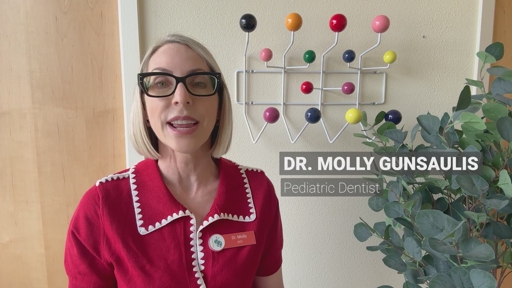
The HelloNation article describes nitrous oxide sedation as one option commonly used during pediatric dental procedures. A child breathes it through a small mask placed over the nose while remaining awake and responsive. Its effects usually begin quickly and can also wear off soon after treatment.
Other dental sedation options may be considered when a child needs a different level of support. The article notes that some approaches can make a child drowsy or less aware of the procedure. The appropriate choice depends on the planned treatment, medical history, and individual needs of the child.
According to the article, a careful health review is an important part of sedation safety. Parents should provide complete information about medications, allergies, medical conditions, previous surgeries, and past reactions to anesthesia or sedation. Even information that seems unrelated to dental treatment may help the dentist evaluate possible concerns.
Parents may also receive specific instructions before an appointment involving pediatric dental sedation. Depending on the method, these instructions can include restrictions on eating or drinking before treatment. The article explains that following these directions closely is important because food or liquid in the stomach can affect sedation safety in some situations.
Monitoring is another part of the process parents should understand. Depending on the sedation method, the dental team or anesthesia team (for deep sedation) may monitor breathing, oxygen levels, heart rate, blood pressure, or other signs.
The article explains that children can respond differently to sedation, even when the same method is used. Some children become relaxed, while others may remain nervous or emotional. Sedation does not always mean a child will sleep, so parents should understand the expected level of awareness beforehand.
Recovery also varies according to the method used. A child receiving nitrous oxide sedation may return to normal activities relatively quickly. Other methods can cause sleepiness, dizziness, nausea, or changes in coordination after the appointment. Parents should understand instructions about eating, drinking, activity, medications, and supervision during sedation recovery.
The HelloNation article also encourages parents to discuss previous experiences with dental anxiety. Sharing this information can help the dental team understand whether a child may need different support. Parents can also ask about the recommended method, monitoring, training, and safety procedures.
Sedation is not automatically necessary whenever a child feels nervous about dental care. The article notes that explanations, distraction, shorter appointments, or behavior guidance may work well for some children. Pediatric dental sedation is generally considered when these approaches are not enough or when treatment requires additional support.
Clear communication can help parents understand expected benefits, possible risks, alternatives, preparation requirements, and recovery. The article emphasizes that sedation plans depend on individual evaluation because every child's health, anxiety, and dental treatment needs can differ.
Pediatric Dental Sedation: What Parents Should Know features insights from Dr. Molly Gunsaulis, Pediatric Dentistry Expert of Spokane, WA, in HelloNation.
About HelloNation
HelloNation is America's Good News Network, a premier media platform built on the idea that good news travels faster when real people tell real stories. Through its community-focused publications and innovative "edvertising" approach, HelloNation delivers content that informs, inspires, and spotlights the leaders making a meaningful impact in their communities.
SOURCE HelloNation






Share this article