In HelloNation, Real Estate Expert John R. Lundquist Shares Tips for Buying a Rural Property
WABASH, Ind., Nov. 4, 2026 /PRNewswire/ -- What should buyers check before purchasing a rural property near Wabash?
A recent HelloNation article featuring Real Estate Expert John R. Lundquist of Lundquist Appraisals & Real Estate offers practical guidance for those considering life outside of town.
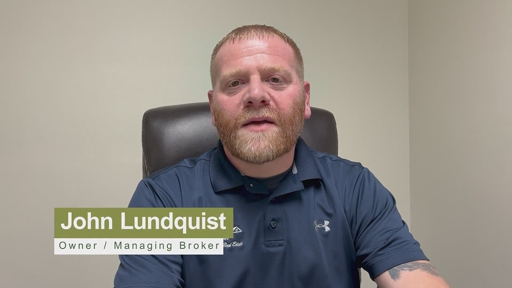
The article explains that buying a rural property involves more than evaluating the home itself. Land, access, and infrastructure each play a major role. In rural areas near Wabash, clear understanding of these elements helps buyers make confident decisions and avoid unexpected challenges.
One of the first items the article discusses is property boundaries. It explains that tree lines, fences, or driveways may not accurately reflect legal lines. Confirming boundaries through surveys or public records is essential. Buyers of rural property need to be sure they understand exactly what is included in the sale.
Access is another critical issue. The article notes that some rural homes near Wabash use private roads or shared driveways. These may require maintenance agreements or involve unclear responsibilities. Buyers should verify legal access and know who maintains the road. Problems with access can affect financing, insurance, and everyday use.
The article also outlines how utilities in rural areas often differ from those in town. Many rural properties use wells, septic systems, propane, or private electric lines. When buying a rural property, buyers must evaluate the condition and age of these systems. Inspections help avoid surprise repairs and reveal long-term maintenance needs.
Outbuildings are common on rural property and deserve close attention. The article explains that barns, sheds, or workshops can add value, but also bring added upkeep. Buyers should inspect their condition and confirm any zoning or permitted use. Outbuildings in poor condition may require costly repairs or removal.
Another factor the article highlights is land maintenance. Mowing, snow removal, and fence repair may fall entirely on the property owner. Buyers need to assess whether they have the time, equipment, or budget for ongoing upkeep. This is one of the major differences when buying a rural property compared to a home in town.
Soil conditions, water drainage, and environmental concerns are also discussed. These issues can affect future construction, farming, or landscaping plans. Buyers are advised to check flood zones, wetlands, or restrictions before finalizing a purchase.
The article notes that buyers should also evaluate distance to services such as schools, grocery stores, and healthcare. Living on a rural property near Wabash often involves longer drive times, which can impact daily routines and long-term satisfaction.
The availability of internet and cellular service is another modern concern. Some rural areas have limited connectivity. Buyers who work remotely or depend on reliable service are encouraged to check coverage before buying a rural property.
Financing and insurance requirements may differ for rural properties as well. The article points out that lenders may ask for additional documentation, and insurers may need more information about outbuildings, acreage, or utility systems. Preparing for these details helps avoid delays during closing.
Lastly, the article advises reviewing neighboring land use. Nearby farms, livestock, or planned development may influence noise, smells, or future property value. Understanding the broader surroundings supports more informed decisions.
The article, What to Check When Buying a Rural Property Near Wabash, features insights from John R. Lundquist, Real Estate Expert of Wabash, IN, in HelloNation.
About HelloNation
HelloNation is America's Good News Network, a premier media platform built on the idea that good news travels faster when real people tell real stories. Through its community-focused publications and innovative "edvertising" approach, HelloNation delivers content that informs, inspires, and spotlights the leaders making a meaningful impact in their communities.
SOURCE HelloNation


Share this article