


In HelloNation, Retirement Planning Expert Kelly McClenny Outlines Three Things to Consider Before Retirement
MIDLOTHIAN, Va., June 16, 2026 /PRNewswire/ -- What are the most important factors to review before retirement planning? A HelloNation article featuring Kelly McClenny of Carey Secure Money Management & Financial Services in Midlothian, VA, offers clear direction. The feature highlights three areas that play the biggest role in building financial security: income sources, future expenses, and debt management. By carefully weighing each, individuals can make stronger choices about retirement goals and create a plan that lasts.
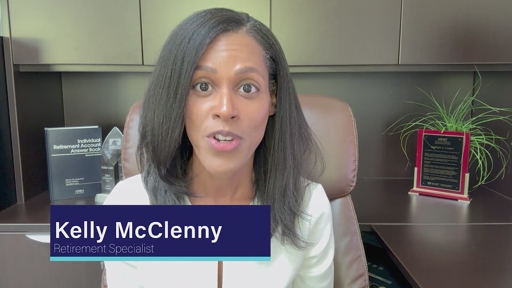
The article emphasizes that retirement planning is about more than reaching a certain age or a specific savings milestone. Retirement income must be evaluated from multiple sources. These include Social Security, pensions, and retirement savings from accounts such as an IRA, 401(k), or employer-sponsored plan. Each has unique rules and limits. For example, Social Security depends on work history and claiming age, while pensions may require choices about spousal options. Retirement accounts add flexibility but must be managed carefully to avoid depleting funds too soon. Reviewing income sources provides clarity on what will be available month to month.
The HelloNation feature also explains that tax consequences affect how income is best used. Withdrawals from a traditional IRA or 401(k) are typically taxable. By contrast, Roth accounts may provide tax-free retirement income. Even Social Security and pension payments may be taxed depending on total income. Coordinating withdrawals from different retirement accounts helps minimize tax consequences and preserve retirement savings for longer.
The second area the article highlights is estimating retirement expenses. Many retirees underestimate future costs, especially healthcare. While Medicare helps, out-of-pocket expenses remain significant, and long-term care is an additional risk often overlooked. Inflation also steadily raises the cost of daily goods and services. What feels affordable today may strain budgets two decades later. Building these realities into retirement goals ensures plans remain sustainable.
Tracking current spending is a useful step before retirement. Knowing how much is spent on essentials and discretionary items today makes it easier to project future needs. Some expenses may drop, such as commuting or work-related costs, while others, like travel or medical bills, may rise. Matching projected retirement income against realistic expenses allows individuals to identify gaps and make adjustments ahead of time.
Debt management forms the third area of focus in the HelloNation article. Entering retirement with heavy debt can undermine financial security. Monthly payments toward mortgages, car loans, or credit card balances reduce the retirement income available for living expenses. Paying off or reducing these debts before retiring helps create more financial flexibility and peace of mind.
Debt also ties directly into investment options. Carrying high-interest debt often delivers worse outcomes than investing extra money. Eliminating debt provides a guaranteed return in the form of lower obligations. Choosing debt reduction over additional investments in the years leading up to retirement often puts retirees in a stronger position once paychecks stop.
Another point raised is avoiding the temptation to use retirement savings for debt repayment. Pulling from a retirement account to clear debts can create tax consequences and limit long-term growth. Focusing on debt management while still working keeps retirement savings intact to support retirement income later.
The HelloNation article stresses that these three areas work together. Income sources create the foundation, expenses determine what is required, and debt management ensures more of that income is available for living instead of obligations. Together, they form a balanced retirement planning strategy that builds confidence and stability.
The article explains that retirement should be seen as a long stage of life, not a single event. Preparing for it requires more than saving money. By clearly understanding income sources, projecting realistic expenses, and reducing debts, individuals put themselves in the best position to achieve financial security.
The article closes with the reminder that retirement goals are achievable when planning accounts for both predictable and uncertain factors. Income from Social Security, pensions, and retirement accounts must be coordinated carefully. Expenses must include healthcare, inflation, and lifestyle changes. Debt management must take place before retirement begins. These simple but critical steps ensure that retirement savings last and that retirees can enjoy their years with greater peace of mind.
The full article, titled Three Things You Need to Consider Before Retirement, can be read on HelloNation. It features Kelly McClenny, Retirement Planning Expert of Midlothian, VA, whose guidance helps individuals make stronger decisions about retirement planning, retirement savings, and long-term financial security.
About HelloNation
HelloNation is a premier media platform that connects readers with trusted professionals and businesses across various industries. Through its innovative "edvertising" approach that blends educational content and storytelling, HelloNation delivers expert-driven articles that inform, inspire, and empower. Covering topics from home improvement and health to business strategy and lifestyle, HelloNation highlights leaders making a meaningful impact in their communities.
SOURCE HelloNation







Share this article