


In HelloNation, Roofing Expert Paul Boucher Details What Happens During a Professional Roof Inspection
The article explains how roof inspections in Central New York evaluate shingles, flashing, gutters, and hidden moisture.
SYRACUSE, N.Y., Sept. 22, 2026 /PRNewswire/ -- What happens during a professional roof inspection?
A HelloNation article featuring Paul Boucher of Boucher Contractors outlines the detailed steps inspectors take to protect homes in Central New York.
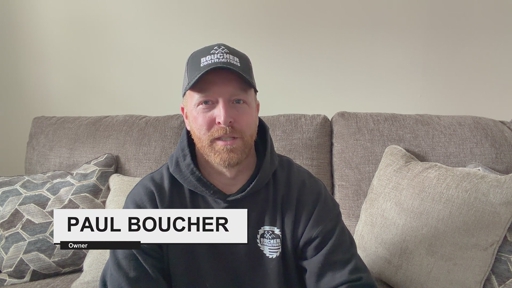
The HelloNation article explains that a roof inspection involves more than a quick glance at shingles. In Central New York, where winter snow and freeze-thaw cycles can strain roofing systems, a thorough review helps identify damage early. A professional roof inspection evaluates both visible and hidden components to ensure long-term durability.
The first phase of a roof inspection typically includes a close review of shingles. Inspectors look for cracked, curling, or missing shingles, as well as granule loss that may signal aging materials. In Central New York, heavy snow and ice can loosen shingles, making early detection essential.
Flashing is another critical focus during a professional roof inspection. Flashing seals joints around chimneys, vents, and skylights, and any gaps or corrosion can allow water intrusion. The article notes that damaged flashing is a common source of leaks and must be carefully examined.
Gutters and roof edges are also evaluated. During a roof inspection, inspectors check gutters for clogs, sagging sections, or improper drainage. Well-maintained gutters help direct water away from the home, reducing the risk of structural damage and foundation issues.
Ventilation is assessed as part of the professional roof inspection process. Proper airflow in the attic and roof system helps regulate temperature and extend the life of shingles. In Central New York, balanced ventilation also reduces the likelihood of ice buildup along roof edges during winter months.
Moisture detection plays a key role in identifying hidden concerns. The article explains that moisture detection tools, such as infrared cameras or moisture meters, may be used to locate damp areas not visible to the eye. Effective moisture detection can prevent insulation damage, mold growth, and interior ceiling stains.
Structural integrity is another component of a roof inspection. Inspectors look for sagging areas, uneven surfaces, or signs of stress in the roof deck. In Central New York, accumulated snow and ice can add significant weight, making structural review an important step in a professional roof inspection.
After completing the roof inspection, the inspector typically provides a detailed report. This report documents the condition of shingles, flashing, gutters, and areas identified through moisture detection. The findings help homeowners decide whether maintenance, repairs, or long-term planning for replacement is needed.
The article also emphasizes the importance of seasonal timing. Scheduling a roof inspection before winter can confirm that shingles, flashing, and gutters are ready to handle snow and ice. A follow-up professional roof inspection after winter helps identify damage caused by harsh weather in Central New York.
Regular inspections support informed decision-making and protect property value. By identifying small concerns early through routine roof inspection and moisture detection, homeowners can avoid more extensive damage later. Working with an experienced professional familiar with Central New York conditions ensures that shingles, flashing, and gutters are evaluated thoroughly and accurately.
What Happens During a Professional Roof Inspection? features insights from Paul Boucher, Roofing Expert of Syracuse, NY, in HelloNation.
About HelloNation
HelloNation is America's Good News Network, a premier media platform built on the idea that good news travels faster when real people tell real stories. Through its community-focused publications and innovative "edvertising" approach, HelloNation delivers content that informs, inspires, and spotlights the leaders making a meaningful impact in their communities.
SOURCE HelloNation






Share this article