In HelloNation, Roofing Expert Walter Woodel Highlights Common Misunderstandings About Roof Leaks
RICHMOND, Va., Nov. 4, 2026 /PRNewswire/ -- Why do roof leaks often go unnoticed until serious damage appears?
A HelloNation article answers this question by explaining why many homeowners misunderstand how roof leaks actually develop. In the article, Roofing Expert Walter Woodel of Woodel Roof Systems, Inc in Richmond, VA, explains how incorrect assumptions about roof leaks can delay action and allow water damage to worsen over time.
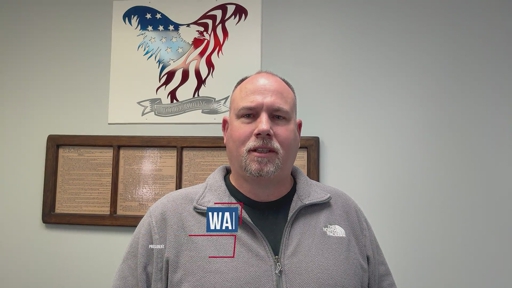
The article explains that roof leaks are rarely sudden or dramatic. Many homeowners assume leaks only follow severe storms or obvious roof damage. In reality, roof leaks often begin quietly due to everyday exposure to moisture, humidity, and temperature changes common in Virginia. These small entry points allow water to enter slowly, making leaks harder to detect early.
One of the most common misconceptions discussed in the article is that roof leaks drip straight down from the source. Water rarely follows a direct path once it enters the roof system. Instead, it can travel along decking, framing, or insulation before becoming visible inside the home. As a result, ceiling stains may appear far from the actual source of the leak, complicating diagnosis and repair.
Ceiling stains are often dismissed as cosmetic or old damage. The article explains that ceiling stains usually indicate repeated moisture exposure rather than a one time event. Even when stains do not grow immediately, they signal ongoing roof leaks that continue to introduce moisture. Ignoring ceiling stains allows water damage to spread quietly through building materials.
Cracked sealant is identified as a frequent cause of slow leaks. Sealant around vents, chimneys, and other roof penetrations expands and contracts with temperature changes. Over time, cracked sealant creates small openings that allow water to seep inside during light rain. These leaks often occur even when shingles appear intact, which leads homeowners to overlook them.
The article also explains that flashing failures are commonly misunderstood. Flashing directs water away from vulnerable roof areas, but it can loosen, corrode, or separate with age. When flashing fails, roof leaks can develop gradually without obvious exterior signs. Because these leaks do not require heavy rain, they often persist unnoticed.
Another misunderstanding is the belief that leaks only matter when water is actively dripping. The article emphasizes that water damage begins long before dripping is heard. Damp insulation, wet decking, and slow structural deterioration weaken the roof system quietly. By the time visible dripping occurs, repairs are often more extensive and costly.
The article explains that light rain can sometimes reveal roof leaks more clearly than heavy storms. During gentle rainfall, water has time to seep into small gaps rather than being pushed away. This is why some homeowners notice leaks during mild weather instead of major storms.
Attics are highlighted as an early warning area. Signs such as damp insulation, darkened wood, or musty odors often appear in the attic before living spaces show damage. Because many homeowners rarely enter their attic, roof leaks can continue unnoticed for long periods. Regular checks can help identify issues sooner.
Another misconception addressed is the assumption that shingles are always the cause of leaks. While shingles are important, the article explains that many roof leaks originate from details such as cracked sealant, flashing, or roof penetrations. Focusing only on shingles may cause the true source of water intrusion to be missed.
Virginia's climate adds complexity to leak detection. Humidity, frequent rainfall, and temperature swings accelerate material wear and allow moisture to linger. These conditions increase the risk of slow leaks and water damage, making routine evaluation especially important.
A professional roof inspection is presented as one of the most effective ways to correct misunderstandings about roof leaks. An experienced roof inspection can identify subtle warning signs before major damage occurs. Early detection helps homeowners address roof leaks while repairs are still manageable.
The article concludes by emphasizing that roof leaks are often quiet, gradual problems rather than sudden emergencies. Understanding how ceiling stains, cracked sealant, and hidden moisture contribute to water damage helps homeowners respond sooner. Awareness and timely roof inspection protect both the roof system and the home.
The article, What Most People Get Wrong About Roof Leaks, features insights from Walter Woodel, Roofing Expert of Richmond, VA, in HelloNation.
About HelloNation
HelloNation is America's Good News Network, a premier media platform built on the idea that good news travels faster when real people tell real stories. Through its community-focused publications and innovative "edvertising" approach, HelloNation delivers content that informs, inspires, and spotlights the leaders making a meaningful impact in their communities.
SOURCE HelloNation







Share this article