


In HelloNation, Sewer Service Expert Tyler Hochstetler Explains Snaking and Jetting Methods for Clearing Drains
The article compares two common techniques and explains how each supports effective drain maintenance and long-term plumbing performance.
ANGOLA, Ind., Oct. 6, 2026 /PRNewswire/ -- What is the difference between snaking and jetting, and which method works best for slow drains? In a HelloNation article, Sewer Service Expert Tyler Hochstetler of Eicher Sewer Service LLC in Angola, Indiana, provides clear guidance on choosing the right approach for different types of clogs.
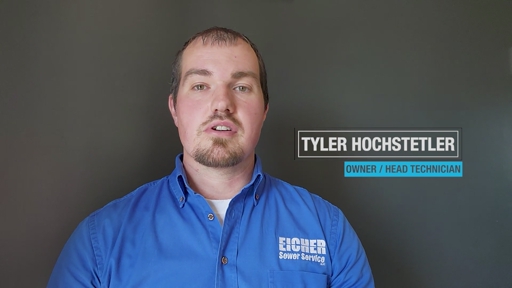
The HelloNation article explains that both snaking and jetting are widely used to clear drains, but each method works differently and serves a specific purpose. It describes how understanding the nature of a clog and the condition of a plumbing system helps determine which solution is most effective.
Snaking, also known as augering, is designed to remove solid obstructions from drain lines. The article explains that this method uses a flexible cable with a rotating head to break apart debris such as hair, soap buildup, or roots. For localized clogs in sinks, tubs, or toilets, snaking can restore normal flow quickly without extensive disruption to the plumbing system.
Jetting, by contrast, uses high-pressure water to clean the interior of pipes. The article notes that this method is especially effective for removing grease, sludge, and other materials that coat the walls of drain lines.
Choosing between snaking and jetting depends on the type of clog and how it formed. The article explains that snaking is typically sufficient for blockages caused by hair, soap, roots, or minor debris, while jetting is better suited for buildup that develops over time. In some cases, both methods may be used together to fully clear the drains and restore proper function.
The size and layout of the drain also influence which method to use. The article explains that homeowners should consult with a professional to determine which method best fits their plumbing system and drain condition.
Safety and proper use are also emphasized. The article explains that using snaking or jetting incorrectly can harm pipes or push debris further into the system. Professionals evaluate the condition of the plumbing system before selecting a method, helping to avoid unnecessary wear or costly repairs.
Cost and efficiency are additional considerations. The article notes that snaking is generally quicker and less expensive for clogs, while jetting requires more equipment and time. Throughout the article, the relationship between snaking, jetting, drains, clogging, plumbing systems, drain lines, grease, and wastewater is presented in a practical way. Each factor contributes to how blockages form and how they should be addressed. Understanding these connections allows homeowners to make informed decisions about maintenance and repair.
The article concludes that both snaking and jetting have important roles in maintaining a healthy plumbing system. Selecting the right method based on the type of clog, the condition of the pipes, and the overall system layout helps ensure that drains remain clear and wastewater flows properly.
Snaking vs Jetting: Which Method Works Best for Slow Drains features insights from Tyler Hochstetler, Sewer Service Expert of Angola, Indiana, in HelloNation.
About HelloNation
HelloNation is America's Good News Network, a premier media platform built on the idea that good news travels faster when real people tell real stories. Through its community-focused publications and innovative "edvertising" approach, HelloNation delivers content that informs, inspires, and spotlights the leaders making a meaningful impact in their communities.
SOURCE HelloNation




Share this article