


In HelloNation, Wellness Expert and Bodybuilding.com CEO Andres Giraldo Clarifies Made in the USA Peptide Claims
The Article Explains Why a Domestic Manufacturing Claim Does Not Guarantee FDA Approval or Clinical Oversight.
DALLAS, Sept. 30, 2026 /PRNewswire/ -- Is a peptide safe just because it is made in the USA? A HelloNation article answers that question and explains what a domestic manufacturing claim does and does not guarantee.
The article explains that the phrase made in the USA describes where a peptide product was manufactured. That phrase does not by itself mean the product has been evaluated for safety or effectiveness.
According to the article, many peptides sold online exist in a regulatory gray area regardless of where they are produced. A domestic facility does not automatically mean a product has received FDA approval for human use.
The article notes that sterility, purity, and consistent dosing come from manufacturing controls, not from a country of origin printed on a label. A facility can be based anywhere and still follow rigorous testing standards.
Real documentation is what the article says separates a credible sourcing claim from a marketing slogan. A certificate of analysis, which shows what an independent lab found in a batch, is one example worth requesting.
Facility registration is another detail worth asking about, since reputable manufacturers are typically registered with regulatory authorities. The article notes that these manufacturers can usually describe their quality systems without hesitation.
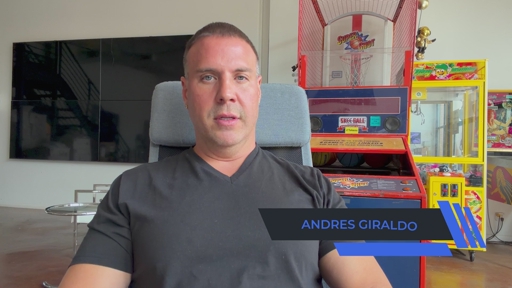
Wellness Expert Andres Giraldo is featured in the article, which is presented through Bodybuilding.com in Dallas, Texas.
The article points out that made in the USA is actually a regulated marketing phrase in other product categories, with specific rules about domestic sourcing. Peptide sellers do not always apply that same rigor, even when they use similar language.
Ingredient origin adds another layer of nuance, the article explains. A product can be finished domestically while its active ingredient was manufactured elsewhere, which a simple origin label tends to obscure.
Manufacturing controls, often summarized as good manufacturing practice, cover facility cleanliness, batch testing, and record keeping. The article suggests asking whether a facility follows these standards rather than asking only where it is located.
A specific answer is generally a good sign, according to the article. If a seller can name a testing lab or produce a batch-specific certificate of analysis, that level of detail suggests real quality control.
The article adds that independent, third-party labs offer more credibility than in-house testing alone. A manufacturer testing its own product carries a built-in conflict of interest that an outside lab does not share.
It also helps to ask how recently a facility was inspected, and by whom, the article notes. A facility that welcomes this kind of scrutiny behaves very differently from one that treats the question as an inconvenience.
The article makes clear that a domestic manufacturing claim says nothing about clinical evaluation or prescribing. A pharmacy's identity, the article notes, is worth asking about separately from where a product was manufactured.
The Wellness Expert's insights featured in the article point to sourcing claims and safety claims as two separate questions. One describes where a product came from, and the other describes whether it is appropriate for a specific patient.
The article closes by encouraging readers to keep a sourcing claim and its supporting evidence connected rather than treated as proof on its own.
Does US Manufacturing Guarantee FDA Approval? features insights from Andres Giraldo, Wellness Expert of Dallas, Texas, in HelloNation.
About HelloNation
HelloNation is America's Good News Network, a premier media platform built on the idea that good news travels faster when real people tell real stories. Through its community-focused digital publications and innovative "edvertising" approach, HelloNation delivers expert-driven, good-news content that informs, inspires, and spotlights the leaders making a meaningful impact in their communities.
SOURCE HelloNation




Share this article