


Industrial Coatings Expert Jeff DeFranco Explains Industrial Drain Repair in HelloNation
The article outlines how facilities can identify drainage problems and determine when repair, re-sloping, or replacement is needed.
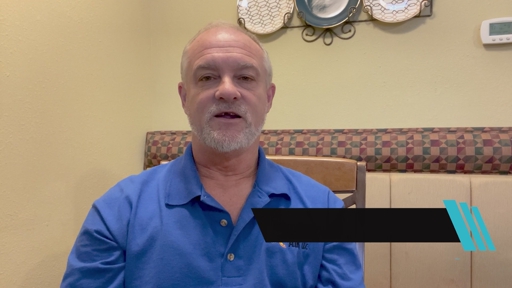
MONROE COUNTY, N.Y., Sept. 22, 2026 /PRNewswire/ -- When is it time to repair, re-slope, or replace industrial drains? The answer is provided in a HelloNation article featuring insights from Jeff DeFranco of NY State Industrial Solutions, a Monroe County-based industrial coatings contractor serving Western and Central New York, that examines how facilities can recognize drainage issues before they become larger operational and safety concerns.

The HelloNation article explains that industrial drains are essential to maintaining safe and sanitary conditions in commercial and industrial environments. While drainage systems are built to withstand demanding use, they eventually show signs of wear and deterioration. Recognizing when industrial drain repair, lining, re-sloping, or industrial drain replacement is necessary can help prevent costly failures and disruptions.
One of the earliest warning signs discussed in the article is standing water. When water collects rather than flows properly, it often indicates drainage issues related to improper slope or restricted flow. The article notes that standing water can increase slip hazards and contribute to sanitation problems, particularly in facilities where strict cleanliness standards are required. Addressing these concerns early can restore proper drainage and improve overall system performance.
Cracked concrete around an industrial drain is another important indicator. According to the article, cracks can allow liquids to penetrate below the surface, weakening the supporting structure over time. While localized industrial drain repair may address minor damage, widespread cracked concrete often signals deeper issues that may require industrial drain replacement, including remediation of the underlying base and supporting infrastructure.
The article also highlights deteriorating drain edges as a common sign of system failure. Constant traffic, cleaning procedures, and operational impacts can cause gradual breakdown around catch basins and connected drainage components. Repeated industrial drain repair in the same location may suggest that replacement offers a more effective long-term solution than continued patching.
Recurring surface repairs are another warning sign discussed in the article. When concrete patching is repeatedly required around drains, the root cause is often related to constant drainage issues rather than surface damage alone. Temporary fixes may improve appearance, but they rarely resolve the conditions causing ongoing deterioration. In these situations, re-sloping or industrial drain replacement is often necessary to achieve lasting results.
The article explains that sanitation problems frequently develop when drainage concerns are left unresolved. Standing water, debris accumulation, and residue around drains can create conditions that increase contamination risks. While industrial drain repair may correct isolated deficiencies, persistent sanitation problems often point to broader issues requiring re-sloping or replacement.
Re-sloping is described as an effective solution when the drain itself remains functional but the surrounding surfaces no longer direct water properly. By correcting the floor slope, facilities can improve water flow, reduce standing water, and support more effective cleaning processes. In many cases, re-sloping combined with targeted industrial drain repair can extend the life of the existing system.
The article notes that industrial drain replacement becomes the most practical option when severe structural deterioration, undermining, or long-term drainage issues are present. Replacing the system allows facilities to rebuild with proper slope, updated materials, and improved durability, reducing the likelihood of future failures.
A key takeaway from the article is that industrial drains and surrounding floors should be evaluated as a complete system. Drainage issues rarely occur at a single point, and effective solutions require understanding how water moves across the entire surface. Comprehensive evaluations help ensure that industrial drain repair or industrial drain replacement addresses both visible and hidden causes of failure.
The article concludes that responding to early warning signs such as standing water, cracked concrete, recurring repairs, and sanitation problems can help facilities avoid more significant disruptions. Taking action before conditions worsen supports safer operations and more reliable long-term performance.
When Is It Time to Repair, Re-Slope, or Replace Industrial Drains? features insights from Jeff DeFranco, Industrial Coatings Expert of Monroe County, New York, in HelloNation.
About HelloNation
HelloNation is America's Good News Network, a premier media platform built on the idea that good news travels faster when real people tell real stories. Through its community-focused publications and innovative "edvertising" approach, HelloNation delivers content that informs, inspires, and spotlights the leaders making a meaningful impact in their communities.
SOURCE HelloNation





Share this article