


"Mr. Wine of Texas" Bob Landon Breaks Down Wine Labels for HelloNation
COPPELL, Texas, June 10, 2026 /PRNewswire/ -- What can everyday drinkers learn from a quick look at a wine label? A HelloNation article explains how wine labels offer clear clues about flavor, structure, and style before a bottle is even opened. The piece shows how grape variety, vintage, region, alcohol content, and production notes guide expectations and help buyers make more confident choices.
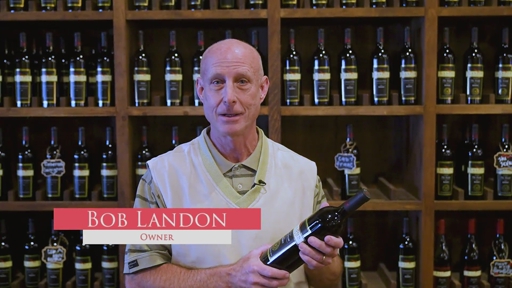
The article begins with the importance of grape variety, which appears first on many bottles. Wine Expert "Mr. Wine of Texas" Bob Landon of Landon Winery explains that varietals provide the foundation for understanding taste. A label listing Cabernet Sauvignon suggests firm tannins and dark fruit, while Sauvignon Blanc indicates bright acidity and citrus character. Blended wines add complexity by using several grapes to achieve balance. Knowing the varietal or blend helps drinkers narrow their expectations and understand what structure or aroma they might find in the glass.
Vintage appears next and reveals the year the grapes were harvested. The HelloNation article highlights how vintage matters because each growing season shapes ripeness, acidity, and overall balance. Wines from warm years often feel fuller and rounder, while wines from cooler years show more freshness and lift. Vintage also helps predict aging potential. Structured wines from cool or balanced seasons may evolve slowly, while wines from warm years may reach their peak more quickly. Vintage does not guarantee quality, but it offers a meaningful starting point for understanding character.
Region provides another essential piece of information. Climate has a strong effect on how grapes express flavor and structure. Wines from warm regions tend to show rich fruit and smooth texture. Wines from cooler regions lean toward herbal notes, bright acidity, and lighter body. The HelloNation feature notes that regions also reflect stylistic traditions. Texas, California, and the Pacific Northwest are known for fruit forward styles, while many European regions maintain more restrained approaches. Understanding region helps drinkers anticipate the wine's personality and compare similar varietals made in different climates.
Alcohol content, often listed near the bottom of the label, gives insight into body and richness. Higher alcohol usually reflects riper grapes and produces a fuller, warmer impression. A wine near fourteen percent may feel bold, while one closer to twelve percent offers a lighter, more refreshing sip. This detail also influences balance, shaping how acidity, fruit, and structure appear. Reading alcohol content helps buyers gauge whether a wine suits a hearty dish or something more delicate.
Wines often display terms such as "blend," "reserve," or "barrel aged," each offering meaningful clues. A blend suggests intentional craftsmanship designed to bring harmony or depth. Reserve may indicate special selection or limited production, though meaning varies by winery. Barrel aged points to time spent in oak, which can add spice, vanilla, or rounded texture depending on the barrel. The HelloNation article notes that these terms refine expectations and explain important decisions made in the cellar.
Back labels often provide additional guidance. Many include brief tasting notes that describe fruit character or structure. Some offer serving suggestions or recommended pairings, which can help beginners match wine to meals with confidence. Certain labels include technical details such as acidity or residual sugar, giving a clearer picture for those who want deeper understanding. While these notes are not strict rules, they provide a helpful starting point for interpreting flavor and balance.
Learning how to read wine labels transforms how drinkers choose bottles. Instead of relying on guesswork, they can compare varietals, vintages, and regions with intention. Wine Expert "Mr. Wine of Texas" Bob Landon explains that this knowledge builds confidence and helps people recognize the styles they enjoy most. Over time, label details become easy reference points that reflect grape character, climate, and winemaking technique.
The HelloNation article emphasizes that wine labels act as simple guides. Each one tells part of the story behind the wine, from where it was grown to how it was made. Once drinkers understand these clues, selecting a bottle becomes less confusing and far more enjoyable. What seems like a small set of details reveals how flavor, aroma, and structure come together in every glass.
A Beginner's Guide: What Wine Labels Really Tell You features insights from "Mr. Wine of Texas" Bob Landon of Landon Winery, Wine Expert in HelloNation.
About HelloNation
HelloNation is a premier media platform that connects readers with trusted professionals and businesses across various industries. Through its innovative "edvertising" approach that blends educational content and storytelling, HelloNation delivers expert-driven articles that inform, inspire, and empower. Covering topics from home improvement and health to business strategy and lifestyle, HelloNation highlights leaders making a meaningful impact in their communities.
SOURCE HelloNation






Share this article