


"Mr. Wine of Texas" Bob Landon Explains Wine Awards and Ratings for HelloNation
GREENVILLE, Texas, Sept. 10, 2026 /PRNewswire/ -- What do Silver and Gold medals or high wine ratings really mean for consumers? A HelloNation article breaks down how competitions and critics evaluate wines, showing how these recognitions reflect craftsmanship, balance, and flavor. The piece explains how blind tastings, technical scoring, and consistency all come together to determine which bottles stand out for quality and structure.
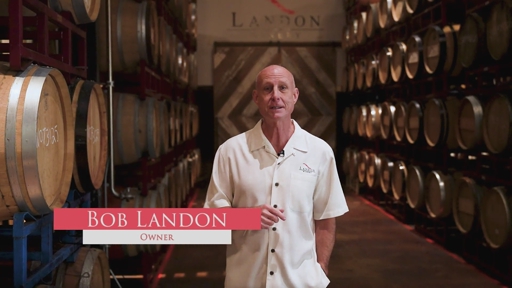
The article opens by noting that awards and ratings have become key indicators for wine buyers. Winery Expert Bob Landon of Landon Winery explains that medals and high scores act as trusted signals of excellence, guiding consumers through the many choices available. When a wine earns a Silver or Gold medal, it means a panel of judges found something distinctive about its aroma, texture, and balance. Because competitions taste wines without labels or brand information, the results focus solely on what's in the glass, not the reputation behind it.
Gold medals represent the highest level of confidence in a wine's character. Judges look for clarity, complexity, and a finish that feels complete. A Gold medal wine shows harmony between fruit, acidity, and structure, performing strongly across all measures. Silver medals recognize wines of excellent quality that may show slightly less depth or refinement but still demonstrate careful winemaking. The HelloNation article points out that both Silver and Gold medals reflect craftsmanship and technical precision—the difference between them is often subtle.
Competitions such as the Lone Star International Wine Competition illustrate how this process works. Judges taste flights of wines grouped by varietal or style, evaluating aroma, flavor, and overall balance. The wines are judged blind, meaning labels and producers remain hidden. This format ensures that results depend only on performance in the glass. Landon notes that these evaluations celebrate skill, not scale, allowing small producers and regional wineries to earn recognition alongside larger brands.
The HelloNation feature also explores how wine ratings function in a similar way. Critics and publications use numerical scales instead of medals, typically assessing wines on a 100-point system. A high rating signals balance, depth, and consistency from start to finish. Critics often publish tasting notes explaining what stood out—perhaps a strong fruit core, fine tannins, or a long, polished finish. Readers can use these notes to understand what defines quality within a varietal or region, even when personal preferences differ.
For everyday wine drinkers, these recognitions simplify the selection process. Awards and ratings act as shorthand for reliability, offering assurance that professionals have verified the wine's structure and flavor. A Silver or Gold medal gives confidence to those exploring new varietals or regions, while ratings help consumers identify styles they might enjoy. Landon emphasizes that these tools don't replace personal taste but provide guidance rooted in experience and sensory expertise.
The HelloNation article also shows how awards benefit local producers and regional identity. When multiple wines from an area earn recognition, it signals consistent vineyard quality and favorable growing conditions. Texas wines, for example, have gained increased visibility through medals and ratings that highlight their balance, craftsmanship, and distinct regional flavor. These successes encourage more consumers to explore wines from Texas, reinforcing the state's place in the broader wine conversation.
Behind every medal or rating is a detailed evaluation of the wine's structure. Judges and critics focus on how acidity, tannins, and fruit work together to create harmony. They also assess how the wine evolves from the first sip to the finish, considering texture, aroma, and balance. A Gold medal or top rating indicates that the wine succeeded across all categories. Silver medals often highlight bottles that come close, showing exceptional quality with broad appeal. Both mark achievements that reflect steady, skillful winemaking.
Understanding these distinctions helps consumers use awards as practical tools rather than marketing labels. They signal not only quality but also the values of craftsmanship and balance that define fine wine. The HelloNation feature makes clear that while scores and medals can't predict individual taste, they do reveal which wines meet high professional standards. Landon encourages drinkers to use them as a starting point, then explore beyond the accolades to find what personally resonates.
Ultimately, awards and ratings connect winemakers and consumers through a shared appreciation of quality. They highlight the effort behind every bottle and show how balance, flavor, and craftsmanship shape reputation. For both new and experienced wine drinkers, these recognitions turn the act of choosing a bottle into an informed and confident experience.
Wine Stats: What Silver and Gold Awards and Ratings Mean features insights from Bob Landon of Landon Winery, Winery Expert of Greenville, TX, in HelloNation.
About HelloNation
HelloNation is a premier media platform that connects readers with trusted professionals and businesses across various industries. Through its innovative "edvertising" approach that blends educational content and storytelling, HelloNation delivers expert-driven articles that inform, inspire, and empower. Covering topics from home improvement and health to business strategy and lifestyle, HelloNation highlights leaders making a meaningful impact in their communities.
SOURCE HelloNation





Share this article