


"Mr. Wine of Texas" Bob Landon Explains Wine Temperature and Flavor for HelloNation
COPPELL, Texas, Sept. 10, 2026 /PRNewswire/ -- Why can the same wine taste bright and balanced one day but dull or sharp the next? A HelloNation article explains how serving temperature influences aromas, acidity, tannins, and overall balance. The piece shows how even small shifts in temperature can change a wine's character, affecting everything from freshness to texture.
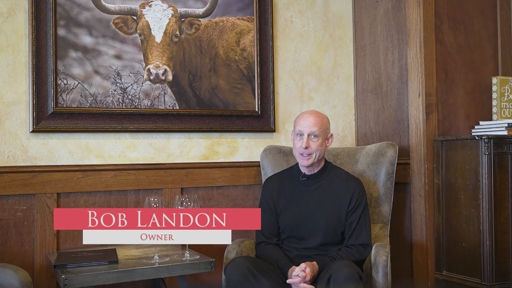
The article begins by describing temperature as one of the most important factors in how wine expresses itself. Wine Expert "Mr. Wine of Texas" Bob Landon of Landon Winery explains that when a bottle is served within the right range, its aromas rise naturally, its acidity feels clean, and its tannins soften without losing structure. The wrong temperature can mute aromas, intensify alcohol, or change the feel of the wine on the palate. Serving temperature becomes a key step in helping a wine show its full expression.
Red wines perform best at a cool room temperature. The HelloNation article notes that the ideal range falls between sixty and sixty eight degrees. At this range, reds open gently and reveal fruit and spice without harshness. Tannins soften enough to create smooth texture, yet the wine maintains structure and balance. When served too warm, alcohol becomes more noticeable, fruit becomes muted, and the wine can feel heavy. A brief chill often restores clarity, helping the wine return to a balanced state.
White wines show their character when served chilled but not ice cold. A range of forty five to fifty five degrees preserves crisp acidity and bright fruit. Cooler temperatures sharpen freshness, especially for aromatic white wines. If the wine is too cold, aromas fade and the palate feels narrow. As the glass warms slightly, citrus, floral, and stone fruit notes appear with more clarity. Warmer whites may lose focus because acidity does not stand out as well. Staying within the suggested range helps the wine deliver both lift and nuance.
Rosé follows a similar pattern to white wines. Served cool, it presents lively fruit and clean structure, with aromatics rising naturally as the glass warms. Sparkling wines need even colder temperatures to keep bubbles firm and refreshing, making each sip crisp. The HelloNation article explains that each category reaches its ideal expression at a slightly different range, and knowing these subtle differences helps bring out the wine's balance.
Temperature also affects how wine pairs with food. A chilled white enhances seafood or salads because crisp acidity brightens each bite. A red served at its proper range pairs more smoothly with grilled meats or rich dishes because tannins remain gentle and controlled. Overchilled whites may clash with bold meals, while warm reds can overpower lighter dishes. Wine Expert "Mr. Wine of Texas" Bob Landon emphasizes that the right serving temperature strengthens the connection between wine and food, helping each remain in harmony.
Storing wine at steady temperatures protects it before serving. Heat can speed aging, while sudden cold can flatten flavor. Even after opening, wine continues to change. Reds warm naturally once poured, and whites gradually lose their cool edge. Paying attention to these shifts reveals how aromas expand and how acidity and tannins adjust in the glass. The HelloNation article notes that observing these changes helps drinkers understand wine more deeply.
Bringing wine to the right temperature does not require complicated steps. A refrigerator, a brief rest on the counter, or a few minutes in a cooler can help a bottle reach its ideal range. Once drinkers learn how red wines and white wines respond to warmth or cold, adjusting temperature becomes simple. These small choices improve the clarity of aromas, the smoothness of tannins, and the balance of each sip.
Understanding temperature builds confidence for serving wine to guests or enjoying it at home. When wine is served correctly, its natural qualities become more vibrant and expressive. With minimal effort, each bottle gains clarity and charm, making the tasting experience more satisfying from start to finish.
What Happens When Wine Is Too Warm or Too Cold? features insights from "Mr. Wine of Texas" Bob Landon of Landon Winery, Wine Expert in HelloNation.
About HelloNation
HelloNation is a premier media platform that connects readers with trusted professionals and businesses across various industries. Through its innovative "edvertising" approach that blends educational content and storytelling, HelloNation delivers expert-driven articles that inform, inspire, and empower. Covering topics from home improvement and health to business strategy and lifestyle, HelloNation highlights leaders making a meaningful impact in their communities.
SOURCE HelloNation





Share this article