NC Community College System Launches Student Innovation Council to Help Shape the Student Experience
RALEIGH, N.C., Oct. 29, 2026 /PRNewswire/ -- Ten students from across North Carolina are helping shape how the state's 58 community colleges serve students from their first questions about college through graduation and the transition to work. The North Carolina Community College System's Student Innovation Council held its first working session Oct. 20 at Lenovo's Global headquarters in Morrisville. The Council gives students a direct voice in System decisions that affect their college experience.
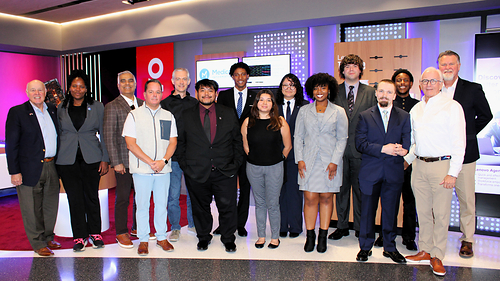
The Council's objectives are to gather student perspectives on challenges throughout the college journey, advise System leaders on how technology and services can better meet students' needs, and bring forward recommendations to guide improvements across the 58 colleges.
"I don't think we listen to students enough," said State Board Chair Tom Looney. "Today, you, the students, are the most important people in the room. You should have a seamless college experience no matter what college you go to. We are fighting for change in education so that we can market to and serve students with world-class tools."
At the first session, Council members mapped the student journey and identified opportunities to improve communication, coursework management, payment structures, and access to campus resources. They considered the full experience from exploring college options and applying to enrolling, paying for classes, completing a program, transferring, or entering the workforce.
Student recommendations will help inform System efforts to strengthen student engagement and improve tools such as the systemwide learning management system and customer relationship management platform. The goal is to connect students' experiences directly to decisions about how these services are designed, prioritized, and implemented.
Lenovo leaders shared how listening to users can shape better products and experiences. Dilip Bhatia, Lenovo's vice president and chief experience officer, encouraged the group to look closely at where people encounter obstacles.
"People don't buy products. They buy experiences," Bhatia said. "You want students to choose community colleges, so you must focus on their experiences and design them to be seamless."
Acting System President and CEO Dr. Monty Sullivan said the System must ensure students have equal access to the tools and support they need, regardless of where they live.
"Our goal is to level the playing field so that no matter your zip code you have the same access as everyone else," Sullivan said.
For Council member Gabriel Robertson of Johnston Community College, the work is an investment in students who will come after him.
"I hope that, even if I don't experience it myself, future students will reap the benefits of what we're doing today," he said.
The Council's next step is to develop actionable recommendations and identify concrete steps the System can take. For Looney, the Council creates a direct connection between student perspectives and decisions shaping the future of North Carolina's community colleges.
Council Members
The inaugural Council includes Stephanie Pano, president of the North Carolina Comprehensive Community College Student Government Association, and Gabriel Robertson of Johnston Community College; Joshua Hopper of Forsyth Technical Community College; Etoo Owaraga of Wake Technical Community College; Citlaly Garcia Guijon of Alamance Community College; Destini Dawson of Craven Community College; Colin Williams and Keydra Oglesby of Rowan-Cabarrus Community College; Kevin Hernandez-Perez of Durham Technical Community College; and Daniel Vernon of Surry Community College.
About the North Carolina Community College System: The North Carolina Community College System (System) is the engine for workforce development in North Carolina and the only public entity dedicated to providing affordable college access to anyone in the state. The System is governed by the NC State Board of Community Colleges with administration from the NC Community College System Office, and support from the NC Community Colleges Foundation, and is powered by the 58 community colleges and their respective foundations. Together, the System serves 600,000 students and awards more than 60,000 degrees, diplomas, and certificates annually. For more information, visit https://www.nccommunitycolleges.edu/
SOURCE North Carolina Community College System





Share this article