


New Menopause Guide Explores How Women Are Using CBD, THC and CBN for Sleep, Mood and Everyday Wellness
Rare Cannabinoid Company's new educational guide examines the endocannabinoid system, current menopause research and the distinct roles of CBD, THC, CBN, CBG, CBC, THCV and CBDV during midlife.
HONOLULU, Sept. 25, 2026 /PRNewswire/ -- As more women explore cannabis and hemp-derived cannabinoids during perimenopause and menopause, Rare Cannabinoid Company has published a comprehensive new educational guide examining what is known, what remains uncertain and how different cannabinoids may fit into a personalized midlife wellness routine.
The new resource, "CBD for Menopause: A Guide to Cannabis, THC, CBN and Hemp," explores growing interest in CBD for menopause, menopause gummies and cannabinoids for concerns involving sleep, mood, focus, appetite, energy and everyday physical comfort.
Menopause is a natural life transition, but fluctuating hormone levels during perimenopause can affect many aspects of daily wellbeing at once. Sleep disruption, mood changes, hot flashes, difficulty concentrating and changes in energy, appetite and physical comfort are among the experiences frequently reported during this stage of life.
At the same time, women are increasingly seeking information about cannabis, CBD and lesser-known hemp cannabinoids. Yet much of the information available online either treats every cannabinoid as interchangeable or presents cannabinoids as a cure-all despite limited clinical research.
Rare Cannabinoid Company developed its new guide to provide a more balanced and practical resource.
"Women deserve clear information that acknowledges both the possibilities and the limitations of cannabinoids during menopause," said a spokesperson for Rare Cannabinoid Company. "CBD, THC, CBN, CBG, CBC, THCV and CBDV are distinct compounds with different properties. Our goal was to explain those differences, examine the emerging research and help women ask better questions when considering cannabinoids as part of their wellness routines."
Why Are Women Exploring Cannabis and CBD During Menopause?
The guide examines the relationship between menopause and the body's endocannabinoid system, a widespread signaling network involved in processes including sleep, mood, appetite, stress response, and physical comfort.
Researchers have identified biological connections among estrogen signaling, endocannabinoid levels and cannabinoid-receptor activity. However, exactly how these relationships change throughout perimenopause, menopause and postmenopause is not yet fully understood.
A published survey of medical cannabis use during perimenopause and postmenopause found that participants most commonly reported using cannabis for sleep and mood concerns. Many perceived cannabis as helpful, although the researchers emphasized the need for controlled clinical trials to determine which cannabinoids, formulations and amounts may be effective.
Rare Cannabinoid Company's guide places that developing research in context without presenting cannabinoids as a replacement for hormones, medical care or proven menopause treatments.
CBD, THC and CBN Are Not Interchangeable
One of the guide's central messages is that there is no single "menopause cannabinoid."
The resource explains why women may encounter very different cannabinoid ingredients when researching CBD for menopause or shopping for menopause gummies:
- CBD (cannabidiol) is non-intoxicating and commonly used to support calm, balance and everyday physical comfort.
- CBN (cannabinol) is primarily associated with nighttime relaxation and rest-focused routines and is commonly found in CBN gummies for sleep.
- THC (tetrahydrocannabinol) produces a more noticeable experience and is often used for deeper relaxation and soreness relief, but individual sensitivity and local laws must be considered.
- CBG (cannabigerol) gummies, oils and topical creams, lotions and gels are commonly selected for physical relief from discomfort, sore joints, and post-activity recovery.
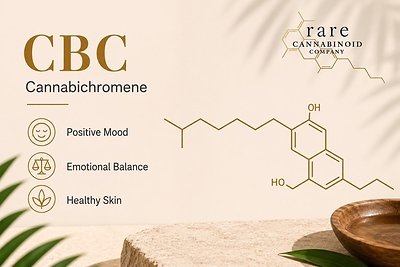
- CBC (cannabichromene) is an emerging cannabinoid often associated with mood-oriented formulas, such as Mood Gummies, Mood Oils, and Mood Mints.
- THCV (tetrahydrocannabivarin) sounds similar to THC but has very different effects. THCV is generally used during the day for energy, focus and appetite-conscious routines, although it is not a proven menopause weight-loss treatment.
- CBDV (cannabidivarin) is a very rare, non-intoxicating cannabinoid that is often taken by those seeking greater social ease and less irritability.
The guide also compares cannabinoid gummies, oils and topical products; explains the differences between products with and without THC; and discusses why serving size, timing and product testing matter.
A More Thoughtful Approach to Menopause Gummies and Hemp Products
The expanding market for CBD and menopause products can make it difficult for consumers to determine what they are actually buying. Products marketed broadly as "menopause gummies" may contain very different ingredients, potencies and cannabinoid combinations.
Rare Cannabinoid Company encourages consumers to compare products according to the milligrams of each cannabinoid per serving, rather than relying on the total milligrams displayed on the package. The company also recommends looking for current independent laboratory reports verifying cannabinoid potency and screening for contaminants.
The guide advocates a goal-based approach: identify the area in which support is most desired, select the cannabinoid that best corresponds with that goal and begin with a modest serving rather than introducing several new products simultaneously.
It also encourages women to speak with a qualified healthcare professional before using cannabinoids if they take prescription medications, have a health condition, are considering hormone therapy or experience new or concerning symptoms.
Cannabis and Menopause Research Is Still Developing
Although real-world interest in CBD and cannabinoids during menopause is growing, clinical evidence remains limited. The guide distinguishes between established knowledge, early research and consumer-reported experiences while identifying questions that still require study.
"Menopause is not one symptom, and women do not all experience it in the same way," the spokesperson said. "Cannabinoid education should reflect that complexity. There is no universal product or serving that will be right for everyone."
About Rare Cannabinoid Company
Rare Cannabinoid Company is a Hawaii-based American wellness company specializing in CBD, THC and rare hemp-derived cannabinoids, including CBN, CBG, CBC, THCV and CBDV. Since 2017, the company has developed targeted cannabinoid oils, gummies, mints and topical products designed for distinct wellness goals. Products are manufactured in cGMP-certified facilities and independently tested for purity and potency.
Learn more at: https://www.rarecannabinoidco.com/
SOURCE Rare Cannabinoid Company






Share this article