


Pediatric Therapy Expert Wendy Jarvis of Washington County, AR Discusses How Combined Pediatric Therapies Support the Whole Child for HelloNation
SPRINGDALE, Ark., Sept. 21, 2026 /PRNewswire/ -- How can occupational therapy, physical therapy, and speech therapy work together to support a child's development more effectively? That question is explored in a HelloNation article featuring Wendy Jarvis, Pediatric Therapy Expert of Washington County, Arkansas. The article explains how combining pediatric therapies creates a unified approach that helps children build strength, coordination, communication, and confidence through collaborative care.
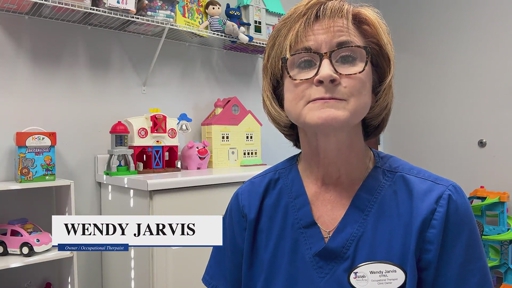
In the HelloNation feature, Jarvis notes that children's challenges rarely appear in isolation. A toddler struggling with speech may also have difficulty sitting upright, while a preschooler avoiding messy play may withdraw from social activities. These overlapping needs show why occupational therapy, physical therapy, and speech therapy work best when they support one another. Each discipline focuses on specific skills, yet all contribute to the child's overall growth and ability to participate fully in daily routines.
Occupational therapy addresses sensory processing, fine motor coordination, emotional regulation, and everyday activities. Physical therapy supports balance, posture, and overall body strength. Speech therapy develops communication, expressive language, and oral motor control. The HelloNation article emphasizes that these specialties often overlap. For example, a child learning speech sounds may need improved core strength from physical therapy, while a child building balance may rely on speech therapy to understand movement directions. Collaboration ensures that every part of development reinforces the others.
Families sometimes worry that needing more than one therapy indicates a more serious concern, but Jarvis explains that this is not always the case. Children grow in interconnected ways, and when one developmental area lags, other systems may adapt or struggle to compensate. The HelloNation article points out that a child with autism might benefit from all three types of therapy—speech for communication, occupational for sensory regulation, and physical for coordination. Each therapy addresses a different aspect of development, but together they provide balance and structure. This integrated approach reduces pressure and allows progress to unfold naturally.
The HelloNation feature also underscores the value of clinics that house multiple therapy services under one roof. When occupational therapists, physical therapists, and speech therapists work in the same setting, communication becomes seamless. They can exchange observations, align goals, and design complementary activities. This consistency benefits families, who receive unified recommendations instead of separate or conflicting advice. For children, it means fewer transitions between sessions and a more predictable environment that promotes engagement and reduces stress.
Jarvis describes how an integrated therapy environment encourages playful, goal-oriented routines that engage the whole child. For example, one child might push a weighted cart for physical strength while following verbal instructions for receptive language and completing fine motor tasks for occupational goals. Another child might practice speech articulation while maintaining posture on a balance cushion to strengthen coordination and breath control. These blended activities reinforce multiple skills at once, helping children connect what they learn in therapy to real-world situations at home and school.
The HelloNation article explains that the purpose of combining therapies is not to increase the number of sessions but to create a cohesive plan that supports the child holistically. Therapists coordinate strategies across sessions, ensuring that progress in one area complements another. When a child learns to communicate more clearly, those language skills can be integrated into physical play. When physical strength improves, it supports attention and regulation during speech or fine motor activities. The result is steady, meaningful progress across all developmental domains.
Families also benefit from understanding how these therapies intersect. By observing how therapists collaborate, parents gain insight into how sensory processing, motor coordination, and communication work together in daily routines. This understanding helps them reinforce strategies at home, from using movement breaks to supporting speech practice during play. Jarvis emphasizes that this type of teamwork creates a pathway for smoother growth, stronger confidence, and a greater sense of harmony between a child's abilities and environment.
Collaborating therapies allow professionals to support the "whole child" rather than isolated symptoms. The HelloNation article encourages families to view integrated therapy as a coordinated approach to development that celebrates progress across multiple areas. Through teamwork, children build not just skills but the resilience and adaptability needed for lifelong learning.
How Combined Pediatric Therapies Support the Whole Child features insights from Wendy Jarvis, Pediatric Therapy Expert of Washington County, AR, in HelloNation.
About HelloNation
HelloNation is a premier media platform that connects readers with trusted professionals and businesses across various industries. Through its innovative "edvertising" approach that blends educational content and storytelling, HelloNation delivers expert-driven articles that inform, inspire, and empower. Covering topics from home improvement and health to business strategy and lifestyle, HelloNation highlights leaders making a meaningful impact in their communities.
SOURCE HelloNation




Share this article