Personal Injury Attorney Dan Stewart "Bulldog Stewart" Explains Navigating Social Security Disability the Smart Way in HelloNation
The article outlines how medical documentation, accurate work history, and careful preparation help disability applicants understand the claims and appeals process.
PACE, Fla., Nov. 5, 2026 /PRNewswire/ -- What should applicants know about navigating Social Security Disability the smart way? That question is answered in a HelloNation article, featuring insights from Personal Injury Attorney Dan Stewart, known as "Bulldog Stewart," of Pace, Florida. The article explains how the Social Security Administration reviews applications and why symptom tracking, clear communication with doctors, and organized records can make the process more manageable.
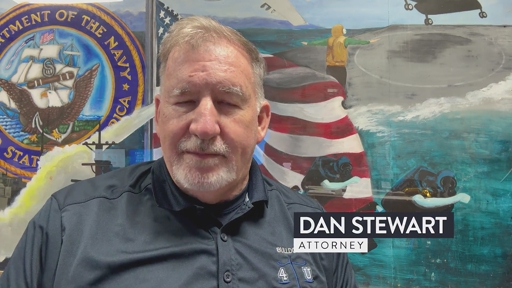
The article begins by explaining that applying for Social Security Disability can feel overwhelming because the process involves strict deadlines and detailed forms. Many people begin their applications while already dealing with symptoms that limit daily life. This combination makes the steps feel more stressful and increases the fear of making a mistake. The article notes that understanding what the Social Security Administration looks for helps reduce that stress and provides a clearer path forward.
A strong disability claim begins with thorough medical documentation. Personal Injury Attorney Dan Stewart explains that medical records form the foundation of the application because they show how long symptoms have lasted and how they affect normal activities. Records describe pain levels, mobility issues, cognitive difficulties, and other limitations that interfere with work. The article explains that a diagnosis alone is not enough. Social Security Disability decisions rely on how a condition affects functional ability rather than its name. Detailed records help reviewers understand the full impact of the condition.
The article also highlights the value of symptom tracking. Daily notes about fatigue, pain, or physical limitations help fill gaps between medical visits. These observations support medical documentation by showing how symptoms shift from one day to the next. They offer insight into activities such as walking, lifting, concentrating, or maintaining a steady pace. The article explains that these details can be especially important during an appeal or a hearing before an administrative law judge when a full picture of the condition is needed.
Communication with doctors appears as another important theme. Many people feel rushed during appointments and may not describe their limitations clearly. The article explains that taking time to discuss symptoms helps providers create accurate medical records. Since Social Security often relies on opinions from treating providers, clear communication ensures that doctors understand how the condition affects daily life. These records later support the disability claim by showing consistent information about symptoms and limitations.
The HelloNation article explains the importance of accurate work history information. Social Security examines the types of jobs performed in the past and compares those duties to current limitations. Applicants must describe tasks such as lifting, walking, concentrating, and maintaining a consistent pace. Personal Injury Attorney Dan Stewart notes that clear descriptions help reviewers determine whether a person can return to previous work or adjust to new work. Understanding work history helps establish the connection between symptoms and job requirements.
Timelines also play a central role throughout the process. The article explains that missing a deadline can lead to delays or denials. Many people do not realize how structured the process is until they receive official notices that include dates that must be followed. Staying organized helps prevent problems. Simple steps, such as keeping copies of paperwork and setting reminders, can make a significant difference.
The article also discusses how initial decisions often surprise applicants. Many first-time disability claims are denied, even when the applicant has a strong case. A denial does not always mean the evidence is weak. It may indicate that more information is needed or that certain details were unclear. The article explains that the next step after a denial is usually a reconsideration request, followed by the possibility of a hearing. These stages allow applicants to provide new evidence, clarify symptoms, and show how their limitations have changed over time.
Legal representation becomes especially helpful during appeals. Personal Injury Attorney Dan Stewart explains that representatives can review records, prepare forms, and collect medical opinions that make the disability claim stronger. They understand how Social Security Disability evaluators review evidence and which details matter most. This support becomes particularly valuable during a hearing before an administrative law judge, where presenting a clear and well-documented case is essential.
The article acknowledges that living with a disability brings physical, emotional, and financial challenges. Navigating the Social Security Disability process adds another layer of responsibility, but understanding the system makes it less confusing. The article explains that each piece of documentation contributes to a complete picture of how the condition affects work ability and daily life. When records are clear and symptoms are well documented, decision-makers have the information they need to make fair evaluations.
The HelloNation feature concludes by explaining that steady preparation and consistent medical documentation give applicants a more confident path through the process. Personal Injury Attorney Dan Stewart emphasizes that when applicants understand how functional ability is evaluated and how evidence is reviewed, they are better prepared to meet deadlines, respond to requests, and pursue appeals when needed. With organized records and strong medical support, applicants can move through each stage with greater clarity.
Navigating Social Security Disability the Smart Way features insights from Dan Stewart, Personal Injury Attorney of Pace, FL, in HelloNation.
About HelloNation
HelloNation is America's Good News Network, a premier media platform built on the idea that good news travels faster when real people tell real stories. Through its community-focused digital publications and innovative "edvertising" approach, HelloNation delivers expert-driven, good-news content that informs, inspires, and spotlights the leaders making a meaningful impact in their communities.
SOURCE HelloNation




Share this article