Personal Injury Attorney Frank Walker Outlines Common Mistakes to Avoid After an Injury in HelloNation
The Article Explains How Medical Care, Social Media, Insurance Communications, and Documentation Can Affect a Personal Injury Claim
MORGANTOWN, W.Va., Nov. 12, 2026 /PRNewswire/ -- What should someone avoid after an injury if they plan to sue? A new HelloNation article answers this question by outlining the most common personal injury claim mistakes West Virginia residents make early in a case. The feature highlights guidance from Morgantown-based Personal Injury Expert Frank Walker, who offers clear direction on actions that can weaken a claim before it ever reaches an attorney. Walker explains how simple choices involving medical treatment, social media, insurance adjusters, treatment plan compliance, recorded statements, and property damage documentation can significantly influence case outcomes. The article is available to readers seeking practical and accessible guidance on protecting their legal rights.
The HelloNation feature emphasizes that delaying medical treatment is one of the biggest mistakes West Virginia individuals make after an injury. This delay affects how the injury is documented and how insurance companies interpret the severity of harm. Walker explains that hesitation creates gaps in the timeline that may later work against an injured person. Seeking immediate medical treatment builds a clear record and establishes a factual foundation for the case.
The article notes that another common mistake West Virginia attorneys often see is minimizing symptoms during a medical visit. This issue arises when people downplay their condition without realizing the long-term effects on their case. Doctors rely on accurate descriptions to determine tests, treatment plans, and follow-up steps. When a patient is not specific, the medical file may not reflect the true extent of the injury. Walker points out that the medical treatment record becomes evidence, which is why careful reporting matters.
The HelloNation piece also addresses the risks of social media activity. According to the article, social media posts can complicate a potential lawsuit even when the content appears harmless. A single photo from a family event or a short comment can be used to challenge the consistency of the injury narrative. The article stresses that avoiding social media activity is a simple way to prevent confusion later. Walker notes that many claims are undermined by casual online posts that create a misleading impression.
The HelloNation article also explains why early conversations with insurance adjusters can lead to serious problems. Insurance adjusters are trained to minimize claim payouts, and friendly conversations can result in details being shared too early or out of context. The article warns that statements recorded before consulting an attorney can limit how the case is presented later. Walker encourages individuals to limit communication and avoid recorded statements until they receive proper legal guidance.
The article also discusses the importance of complying with a doctor's treatment plan. The treatment plan may include therapy sessions, follow-up appointments, and temporary activity limits. When someone ignores these directions or misses appointments, insurance companies may argue that the person is not genuinely harmed or is not recovering responsibly. Walker explains that consistent participation in the treatment plan strengthens the claim by demonstrating a committed effort to heal.
HelloNation also addresses the critical role of property damage documentation in injury cases. This documentation preserves evidence that demonstrates the impact force and surrounding conditions at the time of the accident. When repairs are made before taking proper photos or estimates, important details are lost. Walker notes that this is a common mistake West Virginia residents make because they want to resume daily life quickly. Proper documentation helps connect the physical injury to the event itself.
The article also highlights how discussing the case with friends or coworkers can create unwanted problems. Stories change when repeated many times, leading to inconsistent facts. Maintaining privacy and speaking only with medical providers and an attorney helps ensure the claim stays consistent. Walker stresses that avoiding unnecessary conversations is another way to reduce misinterpretation and protect the case's strength.
The HelloNation feature demonstrates that many common personal injury mistakes made by West Virginia residents are preventable. By making careful decisions about medical treatment, reducing social media activity, avoiding early interactions with insurance adjusters, following treatment plans, declining to give premature recorded statements, and gathering accurate documentation of property damage, individuals can strengthen their legal position. The article presents these steps clearly and directly, helping readers understand how each decision can build or weaken a potential claim.
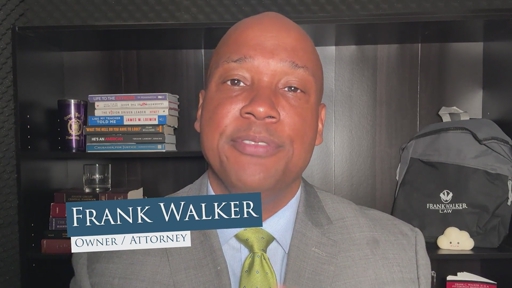
The full article, "What Should I Not Do After an Injury If I Plan to Sue?" features insights from Frank Walker, a personal injury expert in Morgantown, WV.
Attorney Frank Walker is a Law Professor, a leader in Criminal Justice Reform with a Ph.D in leadership studies, and a sought-after criminal defense & Personal Injury attorney in Western Pennsylvania and Northern West Virginia.
About HelloNation
HelloNation is a premier media platform that connects readers with trusted professionals and businesses across various industries. Through its innovative "edvertising" approach that blends educational content and storytelling, HelloNation delivers expert-driven articles that inform, inspire, and empower. Covering topics from home improvement and health to business strategy and lifestyle, HelloNation highlights leaders making a meaningful impact in their communities.
SOURCE HelloNation






Share this article