


Roofing Expert Ryan Pacheco of Roanoke, VA Explains How to Choose Between Roof Repair and Replacement for HelloNation
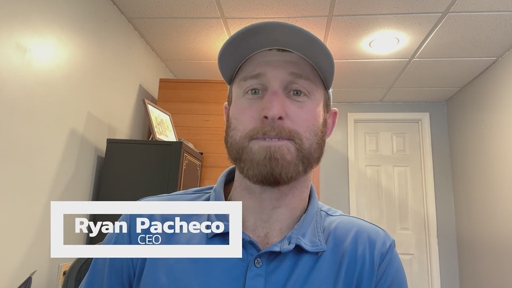
ROANOKE, Va., Sept. 21, 2026 /PRNewswire/ -- When should a homeowner choose roof repair instead of a full replacement? The answer is explained in a HelloNation article that helps Virginia homeowners understand how age, weather, and roof condition influence this important decision. The article, featuring insights from Roofing Expert Ryan Pacheco, walks readers through the factors that determine whether repairing or replacing will deliver the most reliable and lasting results.
The article begins with one of the most common starting points: the age of the roof. Asphalt shingles have a predictable lifespan, and once that limit approaches, new repairs may not bond effectively. HelloNation explains that when shingles become brittle or lose granules, even small fixes can fail to seal properly. Many Virginia homes experience powerful storms each year, which can accelerate this wear and make patching older materials less dependable.
For newer roofs, roof repair can often be a practical and long-lasting solution. When shingles still show flexibility and strong granule coverage, isolated storm damage can be fixed without a full replacement. The article notes that the key lies in understanding whether damage is localized or part of a wider aging pattern. A professional inspection helps determine if issues stem from one event or from gradual deterioration that will continue across the roof.
Virginia's weather has a major influence on these decisions. Heavy rain, strong winds, and fast temperature changes all test a roof's ability to stay sealed. HelloNation explains that older shingles lose adhesion more easily and can lift or crack after repeated exposure. In contrast, newer roofing systems perform better under the same stress because their adhesive strips remain strong and their base layers intact. By weighing both weather history and material condition, homeowners can make informed choices about repair versus replacement.
The article also highlights how the roof deck affects long-term success. Beneath every shingle lies the wood structure that supports the roofing system. If moisture has penetrated this layer, repairs lose their effectiveness. Signs like soft spots, staining, or sagging indicate that water has already reached the decking. Roofing Expert Ryan Pacheco stresses that placing new shingles over a weakened deck may temporarily hide the problem but cannot resolve it. In such cases, a full roof replacement provides the stronger, safer solution.
Not all roof damage, however, calls for full replacement. Isolated storm damage can often be managed with precise roof repair. Common examples include fallen branches, wind-lifted shingles, or minor impact marks. The article describes how contractors check surrounding shingles to confirm they still seal properly and sit flat. If the nearby materials remain in good shape, a focused repair can restore function without unnecessary cost. This approach works well when the roof is within the first half of its shingle lifespan.
Granule loss offers another visible clue about roofing health. Shingles that appear smooth or show exposed asphalt patches usually indicate advanced aging. In those cases, repairing small sections rarely provides lasting results. The repaired areas may stand out or deteriorate unevenly, leading to recurring maintenance. HelloNation explains that at this stage, roof replacement ensures consistent protection across the entire surface.
Ventilation also plays a critical role in roof longevity. Poor airflow in the attic or under the roof can cause excess heat buildup, aging shingles faster than expected. Roofing Expert Ryan Pacheco notes that even a roof that appears young can fail early if ventilation is inadequate. When contractors identify heat or moisture imbalances, they may recommend broader replacement work to include new venting systems. This ensures that future roofing materials reach their full service life.
A thorough inspection provides clarity and confidence in the decision-making process. HelloNation outlines how contractors evaluate shingle flexibility, seal strength, granule coverage, and roof deck integrity. These findings, combined with awareness of local Virginia storms and seasonal changes, create a clear picture of what the roof truly needs.
The article emphasizes practicality over guesswork. Repairing a small section of an otherwise strong roof can save money and extend service life. However, when signs of widespread aging, granule loss, or moisture damage appear, a complete roof replacement becomes the more reliable and cost-effective option. By using evidence from an inspection rather than assumptions, homeowners can plan with fewer surprises.
HelloNation concludes that balancing short-term repairs with long-term stability helps protect both property and peace of mind. Roofing Expert Ryan Pacheco encourages homeowners to see the roof as a system rather than individual parts. Each decision—whether to repair or replace—should consider not just visible damage but also the roof deck, ventilation, and the impact of Virginia's storms over time.
In the end, the HelloNation article gives readers a practical framework for comparing repair and replacement options. It replaces uncertainty with simple, fact-based reasoning that anyone can apply. The message is clear: when a roof shows consistent performance and minor damage, roof repair is often sufficient, but when age, weather, or structure compromise its strength, replacement is the smarter investment.
How to Choose Between Roof Repair and Replacement features insights from Ryan Pacheco, Roofing Expert of Roanoke, VA, in HelloNation.
About HelloNation
HelloNation is a premier media platform that connects readers with trusted professionals and businesses across various industries. Through its innovative "edvertising" approach that blends educational content and storytelling, HelloNation delivers expert-driven articles that inform, inspire, and empower. Covering topics from home improvement and health to business strategy and lifestyle, HelloNation highlights leaders making a meaningful impact in their communities.
SOURCE HelloNation





Share this article