


Shoppers swap alcohol for new generation of healthier drinks as booze loses its bottle but beverage sales increase overall
- Drink sales increased by 2.9% to €180 billion last year
- New beverage products generated an extra €242 million in sales
- Own-label products also now account for 35% of beverage spending
- UK beverage sales rose by 3.2% to €54 billion, accounting for 30% of spending across Europe
LONDON, Oct. 1, 2026 /PRNewswire/ -- Drink sales increased by 2.9% across Europe's six biggest grocery markets last year, as shoppers continued to cut back on alcohol but paid more for a new generation of beverages competing for social occasions and catering to healthier lifestyles.
Spending on alcohol fell by 0.8% in France, Germany, Italy, the Netherlands, Spain and the UK according to the latest analysis of the FMCG market by Circana, the leader in turning consumer data into growth, while sales of low- and no-alcohol alternatives grew by 7.3%.
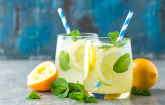
Increased spending on sports, energy and yoghurt-based drinks, as increasingly health-conscious consumers took advantage of a wider range of products, also helped lift non-alcoholic drink sales by 5.4% to €109 billion and total beverage sales to €180 billion.
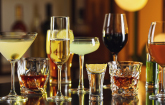
Beer, cider, wine and spirits sales were down 0.9%, 1.2%, 1.5% and 2.2% respectively. 43% of shoppers, and half of 25- to 39-year-olds, told Circana they were cutting back on alcohol by buying less, postponing purchases or giving up altogether.
44% of all shoppers said they were buying more bottled water, 31% more juices and smoothies, and 29% more tea and coffee.
Just 15% said they were buying more alcoholic drinks. This is despite heavy discounting, with around 41% of beer and 37% of alcoholic drinks sold on promotion during the year, compared with only 25% of beverages overall.
'It's not game over for alcohol'
Speaking following his keynote at the Beverage Forum on 1 October, Ananda Roy, senior vice president of strategic growth insights at Circana, said: "Alcohol has been declining in popularity in the five or six years since the pandemic and this has now led to a wider range of alternatives and healthier products, which give us much more choice about what we drink at home and when we socialise.
"Younger people in particular are drinking much less alcohol and there is no evidence this will change as they get older, as the growing mix of adult soft drinks and lighter alternatives is simply becoming an increasingly normal part of everyday drinking.
"It's not game over for alcohol manufacturers, but they need to do much more than cut prices and instead look at lighter, lower-sugar and lower-calorie products that can help beer, wine and spirits stay relevant as our drinking habits change."
Circana also found new beverage products generated an extra €242 million in sales last year, including €161 million from dairy drinks and €32 million each from low- and no-alcohol products and bottled water.
Sales rise but amount bought increases by just 0.5%
While spending on drinks across Europe rose last year, the amount actually sold increased by just 0.5%, as average price rises of 2.3% also drove much of the sales growth.
UK beverage sales rose by 3.2% to €54 billion, accounting for 30% of spending across Europe's six biggest markets but just 19% of the amount sold. Higher prices also pushed spending up by 2.9% in Italy and 2% in the Netherlands, despite the amount bought remaining flat in both countries.
It was a more even picture in Spain, where prices rose 2.4% and the volume bought increased 2.6% and in France, where the growth in spending came mainly from people buying more, with the amount sold up 3.3% while prices increased by just 0.4%.
Germany was the only one of the six countries to see the volume of beverages bought fall, dropping 2.7% as drinks prices rose by a steeper 4%.
However some products continued to grow despite higher prices, with the amount of yoghurt-based drinks sold rising by 12.3%, ready-to-drink spirits by 12.9%, and still water and plant-based drinks by 5.2% each. The picture for the beverage market as a whole improved during the second quarter of 2026, when average prices fell by 0.2% and the amount of beverages sold rose by 1.6%.
Circana's data found own-label products also now account for 35% of beverage spending, with retailer brands gaining ground in categories including coffee, wine and champagne and dairy drinks.
Notes to editors:
Methodology
The latest Circana analysis is based on 12 months of data ending June 2026, across France, Germany, Italy, the Netherlands, Spain and the UK.
About Circana
Circana is a leader in providing technology, AI, and data to fast-moving consumer packaged goods companies, durables manufacturers, and retailers seeking to optimize their businesses. Circana's predictive analytics and technology empower clients to measure their market share, understand the underlying consumer behaviour driving it, and accelerate their growth. Circana's Liquid Data® technology platform is powered by an expansive, high-quality data set and intelligent algorithms trained on six decades of domain expertise. With Circana, clients can take immediate action to future-proof and evolve their growth strategies amid an increasingly complex, fast-paced, and ever-changing economy. Learn more at circana.com.
SOURCE Circana


Share this article