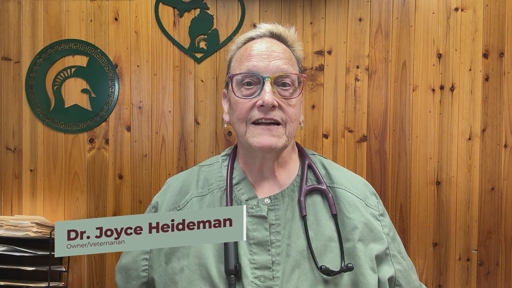
Veterinary Expert Dr. Joyce Heideman of Lansing Discusses Pet Dental Care for HelloNation
LANSING, Mich., Nov. 16, 2026 /PRNewswire/ -- Is bad breath in pets normal? That question is explored in a HelloNation article featuring Dr. Joyce Heideman of Southside Animal Hospital in Lansing, Michigan. The article explains that bad breath in pets is often a sign of dental disease rather than a harmless quirk. It offers clear, practical information about why pet dental care is vital to maintaining long-term health and comfort.
Many pet owners assume bad breath is an unavoidable part of living with animals. However, the HelloNation article points out that unpleasant odor is frequently the first warning of an oral health problem. Plaque and bacteria build up gradually, leading to inflammation, infection, and pain that pets can't communicate directly. What may seem like mild "dog breath" or "cat breath" can actually indicate developing dental disease that requires professional attention.
Veterinary dentistry addresses more than just fresh breath. According to Dr. Heideman's insights in the HelloNation feature, bacteria from untreated gum infections can enter the bloodstream and harm vital organs such as the heart, liver, and kidneys. For this reason, dental care is about full-body wellness, not just appearance or odor. Pets receiving consistent dental cleaning and monitoring tend to live longer, remain more active, and experience fewer secondary health complications.
Regular dental exams are a cornerstone of pet wellness. During these checkups, veterinarians evaluate the teeth and gums for early signs of redness, swelling, tartar buildup, or loose teeth. The HelloNation article explains that professional dental cleaning under anesthesia allows veterinarians to remove plaque from below the gumline, where it cannot be reached by brushing or dental chews. These procedures are safe, controlled, and preventive, helping to avoid pain and infection before they become severe.
At home, owners play an equally important role in maintaining pet hygiene. The article emphasizes that daily brushing is the most effective way to prevent dental disease. Using pet-friendly toothpaste—formulated for dogs or cats—makes the process safer and more appealing for animals. For pets resistant to brushing, dental wipes, finger brushes, or specialized chews can help reduce bacteria between cleanings. However, Dr. Heideman notes that these tools work best when used as part of a complete dental care plan guided by a veterinarian.
Preventive pet dental care also helps minimize costly procedures later in life. Pets that begin oral care routines early often avoid extractions or more serious treatments as they age. The HelloNation article points out that even older pets benefit greatly from consistent care, as dental cleaning helps manage pain, maintain appetite, and prevent bacteria from spreading to other organs. Routine attention to oral health strengthens a pet's immune system and supports long-term wellness.
Another key insight from Dr. Heideman is that pet dental care extends beyond the mouth. When a pet's gums are healthy, eating becomes easier, digestion improves, and energy levels remain steady. Conversely, ignoring bad breath in pets can allow infection to progress silently. The HelloNation feature reminds readers that dental disease often develops gradually and without obvious external symptoms until it becomes advanced. Early detection through exams and cleanings is the best defense.
For pet owners, the takeaway is simple: bad breath is not normal. Recognizing it as a signal rather than a symptom to ignore can protect a pet's health and extend its lifespan. Veterinary dentistry focuses on prevention through professional exams and at-home care, helping pets stay comfortable and active. The HelloNation article encourages every owner to build oral health into regular pet wellness routines—just as they would with vaccinations or annual checkups.
When mouth care becomes routine, pets benefit in countless ways. They eat with less discomfort, maintain cleaner teeth, and enjoy fresher breath. More importantly, their internal organs stay protected from the spread of harmful bacteria. By taking small steps toward consistent pet hygiene and scheduling regular dental cleanings, owners ensure that their pets not only breathe easier but also live longer, healthier lives.
Is Bad Breath in Pets Normal? What It Really Means features insights from Dr. Joyce Heideman, Veterinary Expert of Lansing, MI, in HelloNation.
About HelloNation
HelloNation is a premier media platform that connects readers with trusted professionals and businesses across various industries. Through its innovative "edvertising" approach that blends educational content and storytelling, HelloNation delivers expert-driven articles that inform, inspire, and empower. Covering topics from home improvement and health to business strategy and lifestyle, HelloNation highlights leaders making a meaningful impact in their communities.
SOURCE HelloNation






Share this article