When everyone's home again: 4 tips for when your child returns home for the holidays
Youth Villages mental health expert shares advice to avoid conflict and foster connection
NASHVILLE, Tenn., Nov. 24, 2026 /PRNewswire/ -- When your child moves out of your house, whether they're heading to college or another path, you both begin adjusting to your new normal. Your young adult has tasted full independence: no curfew and very few (if any) rules. Now, the holidays are approaching, dorms are closing and many parents will welcome their older child back home for the first time since they left the nest.

In our work with young people transitioning into adulthood, we see conflict that arises when young adults return home to visit for extended periods. Here are four pieces of advice we have for parents to prioritize joy and connection this holiday season.
1. Set boundaries and expectations before they arrive
- House rules
Remember, your child has been living by their own rules. So, while you have the right to set the rules of your home, try to focus on respect rather than control. If they plan to invite friends or a romantic partner over, tell them how you'd like those plans to be communicated. Let them know you'd also like to be kept informed about plans (including their whereabouts), not to control them, but to maintain open communication and for safety.
- Who's paying?
Some believe that after they move out, children should be financially independent. Others will continue to cover everything well past college. There is no right or wrong approach to finances, and most decisions depend on the parents' ability to cover expenses, particularly when they come home to visit. We see conflict arise when there is confusion about who is paying for what (dinners, activities, etc.), so discuss before expenses arise to avoid debate.
- Expectations on time together
While parents want quality time with their children, they may also want to catch up with friends while they're back home. If there are events you expect them to attend, tell them up front so they can plan around it. If you want dedicated time together, plan a day of doing something special just for your immediate family.
2. Don't put too much pressure on time together
Your child being back home may feel like the right time to address big topics you've wanted to discuss, like whether they are pursuing the right degree, plans after graduation or their current relationships. As tempting as it is, try to focus on being present and enjoying their company. Let them make their own decisions, which also means making their own mistakes.
3. Help bridge the gap between siblings
Some younger siblings will be excited to have their older siblings back home, and for those, you'll need to have conversations on both ends. Make sure your younger child knows their brother or sister may not be home much because of other plans. Ask your older child to make an effort to spend some time with their younger sibling and make them feel loved. If siblings do not get along or have gotten used to their new routine without them, talk to each about how best to respect each other.
4. Adjust your expectations
This is not what most parents want to hear, but tailoring expectations can make a big difference in whether you reflect on your time together with disappointment or gratitude. They are still exploring this new independence, figuring out who they are and what role they want you to play in their life. Even with the best preparation, we may not get the experience we want while they are home - and that is OK.
Some characteristics we see that consistently create more long-term, healthy relationships between an adult child and their caregivers are boundaries and communication. While some of these conversations may sound like they would create a divide, being clear in advance sets everyone up for more success and less conflict. Learning how to love them from a distance and support them without judgment builds trust that is stronger and more satisfying.
Author:
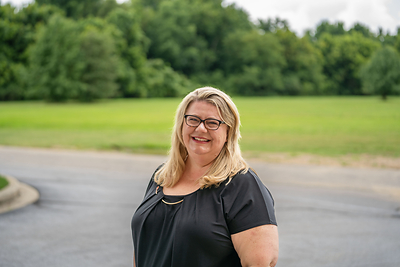
Mary Linkous, LPC-MHSP, has worked in family mental health for 19 years and currently serves as a regional supervisor for Youth Villages' community-based programs in the Upper Cumberland region of Tennessee. Mary also provides counseling, supervision and consulting through her private practice where she focuses on helping her clients with important life transitions.
SOURCE Youth Villages, Inc.






Share this article