


Certified Dyslexia Specialist Karen Cress Explains Reading Support for a Struggling Reader in HelloNation
The Article Outlines Signs of Reading Difficulty and Steps Parents Can Take to Seek Effective Support
SOMERSET, Ky., Sept. 8, 2026 /PRNewswire/ -- The article explains that one difficult week does not necessarily indicate a lasting reading problem. Reading development can vary during kindergarten and first grade, so parents should watch for patterns that continue over time. A struggling reader may guess at words, forget letter sounds, avoid reading aloud, or become frustrated with reading tasks.
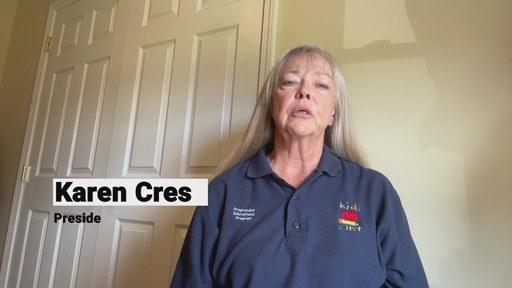
The HelloNation article notes that these signs do not automatically mean a child has dyslexia. Reading difficulties can result from gaps in instruction, limited practice, attention difficulties, or challenges with language development. Identifying consistent patterns can help families and teachers determine what type of reading support may be appropriate.
Parents can begin by recording specific examples of difficulties they notice at home. The article recommends noting whether a child confuses sounds, skips words, guesses from pictures, or struggles to remember familiar words. These observations can give teachers clearer information when discussing the child's progress.
The article also describes the importance of foundational reading instruction. A first grader who is struggling may need more direct instruction in letter sounds, phonemic awareness, decoding, and word recognition. Targeted reading intervention can provide focused practice in skills the student has not yet mastered.
According to the article, parents can ask teachers how a child's abilities compare with grade-level expectations. School assessments may provide additional information about phonemic awareness, decoding, reading fluency, and comprehension. Certified Dyslexia Specialist Karen Cress is featured as a source of insights to help families understand these reading concerns.
Persistent difficulties deserve closer attention when appropriate instruction and reading support have not led to expected progress. The article explains that a dyslexia evaluation may be considered when problems involve connecting letters and sounds, decoding unfamiliar words, spelling, word recognition, or reading accurately and fluently. Family history may also provide useful context.
The article further explains that parents do not always need to wait several years before discussing evaluation. Early dyslexia screening can help identify risk factors, while a fuller assessment can examine reading abilities and related areas in greater detail. Timing depends on the child's age, instruction, progress, and specific challenges.
A thorough dyslexia evaluation considers more than one reading score. The article notes that educational history, classroom performance, reading development, and standardized measures can provide a broader picture. This information can help determine why a child is struggling and which targeted reading intervention may be useful.
At home, the article recommends keeping practice manageable and focused on skills the child can develop successfully. Short practice periods may reduce frustration, while reading aloud to the child can continue building vocabulary, comprehension, and background knowledge. The goal is to understand the child's needs without applying a label too quickly.
The article concludes that careful observation, communication with teachers, appropriate instruction, and evaluation can help families identify a clearer path forward. How Can Parents Help a Child Struggling With Reading? features insights from Karen Cress, Certified Dyslexia Specialist of Somerset, Kentucky, in HelloNation.
About HelloNation
HelloNation is America's Good News Network, a premier media platform built on the idea that good news travels faster when real people tell real stories. Through its community-focused publications and innovative "edvertising" approach, HelloNation delivers content that informs, inspires, and spotlights the leaders making a meaningful impact in their communities.
SOURCE HelloNation






Share this article