


Dance Studio Expert Jeanine Nielson Explains Competitive vs. Recreational Dance and Cheer in HelloNation
The Article Examines How Training Structure, Commitment, Costs, and Athlete Readiness Can Help Families Choose an Appropriate Program
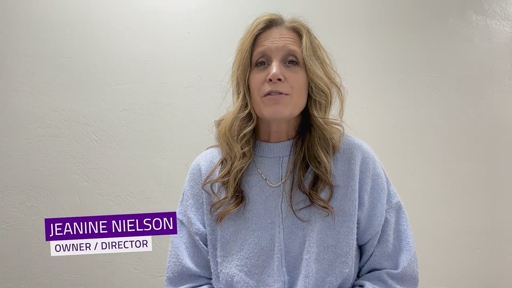
CEDAR CITY, Utah, Oct. 5, 2026 /PRNewswire/ -- What is the difference between competitive and recreational dance and cheer? HelloNation has published an article in which Jeanine Nielson, Dance Studio Expert at The Point Dance Studio & Elite Cheer Athletics & Tumbling, Cedar City, UT, explains how each path supports different goals, schedules, and stages of athlete development.
The HelloNation article explains that recreational dance offers an accessible starting point for children who want to explore movement. Recreational programs allow athletes to develop basic technique and confidence at a comfortable pace without the added demands of competition.
The article notes that recreational tumbling classes can provide similar opportunities for skill development. Children can work on coordination, balance, strength, and body control while discovering which activities they enjoy. This approach can help families evaluate a young athlete's interests before making a larger training commitment.
According to the article, competitive cheer and dance introduce more structure, including choreographed routines, performance standards, and seasonal goals. Dance Studio Expert Jeanine Nielson is featured as the source of insights on how this environment can help athletes develop discipline, preparation habits, and a stronger understanding of teamwork.
The article describes team culture as another important difference between competitive and recreational dance and cheer. Competitive athletes must learn to depend on teammates, respond to coaching, and maintain focus during practices and performances. These expectations can help children build responsibility and resilience alongside physical skills.
Cost and scheduling are also important considerations. The article explains that recreational programs generally involve regular tuition and occasional event expenses. Competitive programs may add costs for uniforms, travel, choreography, competitions, and additional training, while also requiring more hours each week.
The HelloNation article encourages families to understand these commitments before selecting a program. Comparing the financial and time requirements can help parents choose an option that fits alongside school, family responsibilities, rest, and other activities.
The article also examines the culture of a dance studio or cheer facility. A supportive environment should include clear expectations, consistent coaching, and open communication about an athlete's progress. The guidance featured from Dance Studio Expert Jeanine Nielson highlights the value of considering the training environment alongside skill level.
Athletes also develop at different rates. The article notes that some children may progress quickly through tumbling or recreational dance and become interested in competitive teams. Others may prefer recreational programs because they offer more flexibility and room for exploration.
For that reason, the article recommends reassessing a child's training needs over time. Families can consider changes in interest, readiness, school demands, and personal goals each season rather than treating an initial choice as permanent.
The article concludes that competitive and recreational dance and cheer can both support meaningful development when the program is well-suited to the child. Recreational training can encourage curiosity, confidence, and foundational skills, while competitive programs can provide greater structure, teamwork, and performance-focused goals.
Competitive vs. Recreational Dance and Cheer features insights from Jeanine Nielson, a Dance Studio Expert from Cedar City, Utah, on HelloNation.
About HelloNation
HelloNation is America's Good News Network, a premier media platform built on the idea that good news travels faster when real people tell real stories. Through its community-focused publications and innovative "edvertising" approach, HelloNation delivers content that informs, inspires, and spotlights the leaders making a meaningful impact in their communities.
SOURCE HelloNation






Share this article