


Hair Salon Expert Paul Lemieux Explains Professional Hair Color Correction in HelloNation
The Article Explains When Uneven Tones, Brassiness, Dark Color, and Previous Box Dye May Require Professional Correction
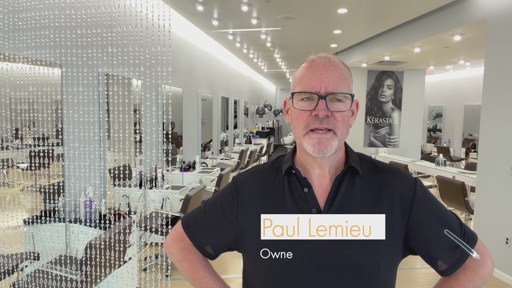
WORCESTER, Mass., Oct. 21, 2026 /PRNewswire/ -- When does hair color need professional correction? HelloNation has published an article that answers this question, with insights from Hair Salon Expert Paul Lemieux, Founder and Coloring Artist at Orange Salon in Worcester, Massachusetts.
The article explains that professional hair color correction may be needed when a color result is uneven, too dark, too warm, or different from the intended shade. Unlike routine coloring, corrective services must account for existing pigments, previous treatments, and differences across sections of the hair.
Uneven hair color is one common reason someone may need correction. The article notes that repeated coloring, fading, uneven application, or major at-home color changes can leave some areas darker, lighter, or warmer than others. Correcting those differences requires evaluating what is already present throughout the hair.
The HelloNation article also addresses unwanted brassiness. Yellow, orange, or red tones can appear after lightening or as existing color fades. It explains that a stylist must first identify the underlying tones before selecting a corrective formula designed to create a more balanced result.
Hair that becomes much darker than intended may require a different approach. The article explains that applying a lighter permanent shade over dark artificial pigment generally will not create an even lighter result. You may need to reduce or remove existing artificial color before applying another color.
Previous box dye can make professional hair color correction more complex. Multiple applications may build up pigment, especially through the middle and ends. According to the article, Hair Salon Expert Paul Lemieux explains why understanding existing pigment and hair condition matters before making further changes.
The article describes hair color history as a key part of the evaluation process. A stylist may review previous permanent color, highlights, lighteners, toners, box dye, and other chemical services. This history helps indicate how the hair could respond during corrective color.
Hair condition also affects what stylists can do safely. The article notes that stylists may examine porosity, elasticity, dryness, breakage, and overall strength before recommending a process. Hair that is already fragile may not tolerate aggressive lightening, even when the desired result is significantly lighter.
The current shade and desired result also shape the correction plan. Moving from uneven dark brown to an even medium brown differs from moving toward blonde. The article explains that larger changes can require additional time because both natural and artificial pigments must be carefully managed.
A strand test may provide useful information before a full corrective service. By testing a small section, a stylist can observe how the hair responds and identify stubborn pigment, unexpected underlying tones, or signs of excessive weakness.
The article notes that professional hair color correction may require several stages or appointments. A stylist might first address unwanted pigment, then improve uneven areas before refining the final tone. Hair Salon Expert Paul Lemieux's featured insights help explain why the process depends on color history, hair condition, previous services, and realistic limits.
When Does Hair Color Need Professional Correction? This article features insights from Paul Lemieux, a hair salon expert in Worcester, Massachusetts, in HelloNation.
About HelloNation
HelloNation is America's Good News Network, a premier media platform built on the idea that good news travels faster when real people tell real stories. Through its community-focused publications and innovative "edvertising" approach, HelloNation delivers content that informs, inspires, and spotlights the leaders making a meaningful impact in their communities.
SOURCE HelloNation






Share this article