


In HelloNation, Propane Expert Justin Young. Outlines Residential Propane Storage
Texas Rules for Homeowners State and National Codes Govern How Much Propane Can Be Stored and Where Cylinders Must Be Placed
PORT NECHES, Texas, Aug. 13, 2026 /PRNewswire/ -- How much propane can a homeowner in Port Neches legally keep on their property? A HelloNation article examines the layered regulations that govern residential propane storage, covering state fire codes, national safety standards, and local municipal rules.
The article explains that the foundation for most residential propane storage rules in Texas comes from NFPA 58, the National Fire Protection Association's Liquefied Petroleum Gas Code. Texas has adopted this standard as part of its fire and safety regulatory framework, establishing limits on how much propane can be stored at a residential property, how cylinders must be positioned, and what spacing requirements apply relative to structures, property lines, and ignition sources.
For most homeowners, the most relevant threshold involves portable 20-pound cylinders of the type exchanged at grocery stores and hardware retailers. The HelloNation article notes that NFPA 58 allows a limited aggregate quantity of propane to be stored residentially without triggering more stringent requirements that apply to commercial or high-volume storage. Once the total quantity on a property exceeds a certain threshold, additional rules about separation distances and storage configuration come into effect.
Residential propane storage Texas rules address placement as much as quantity. The article explains that cylinders should not be kept inside living spaces, basements, or attached garages, where a leak could concentrate gas in an enclosed area. Outdoors, cylinders should be stored away from heat sources, electrical panels, and areas where they could be struck by vehicles or equipment, and most standard cylinders must remain upright so the pressure relief valve functions correctly.
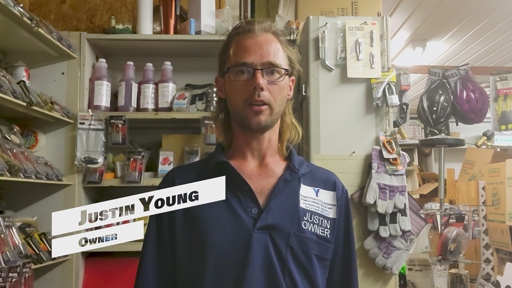
The article features insights from Justin Young., a Propane Expert with Young's Tobacco Store in Port Neches. Propane Experts with knowledge of the Port Neches area and Jefferson County help connect residents to practical guidance on safety and compliance with state and national codes that affect everyday property management.
Port Neches homeowners who maintain larger fixed propane systems, such as tanks supplying whole-home generators or backup heating systems, face a different regulatory framework than those who store just a few portable cylinders. The article explains that fixed tanks above a certain capacity require permits, setback compliance from structures and property lines, and regular inspection under Texas Railroad Commission regulations. The size of the tank determines what level of oversight applies.
Local ordinances may add requirements beyond what state and national codes establish. The article recommends that residents contact the City of Port Neches or the Jefferson County fire marshal's office to confirm what local provisions apply and whether any recent amendments have been made to the adopted fire code.
Homeowners who are uncertain about their current setup can consult a licensed LP gas dealer or a qualified fire safety inspector. The article notes that a professional review is especially valuable for those who have added cylinders over time without a clear picture of the cumulative quantity on the property. Understanding residential propane storage Texas standards before a problem arises is far simpler than addressing violations after an incident has occurred.
Are There City Limits on Residential Propane Storage in Port Neches? features insights from Justin Young., Propane Expert of Port Neches, Texas, in HelloNation.
About HelloNation
HelloNation is America's Good News Network, a premier media platform built on the idea that good news travels faster when real people tell real stories. Through its community-focused digital publications and innovative "edvertising" approach, HelloNation delivers expert-driven, good-news content that informs, inspires, and spotlights the leaders making a meaningful impact in their communities.
SOURCE HelloNation





Share this article