


In HelloNation, Rural Land Expert Cindy Garvey Details Land Development Costs Buyers Often Miss
A HelloNation Article Explains What Site Preparation and Utility Work Can Add to the True Cost of a Vacant Land Purchase.
FRANKLIN, Tenn., Sept. 3, 2026 /PRNewswire/ -- What land development costs do buyers most often miss when purchasing rural or vacant property? A HelloNation article covers the full range of expenses buyers can expect to encounter between purchase and the start of construction, and why those costs often exceed initial estimates by a wide margin.
The purchase price of a piece of land is only the beginning of what buyers will spend before any building begins. Grading and site preparation are among the first major expenses after closing, and the scope of work depends on topography, soil composition, and the location of the intended structure. The article explains that steeper parcels and heavily wooded sites often require significantly more earthwork than buyers initially expect.
Utility connections represent some of the most significant land development costs that buyers encounter. When public water and sewer are not available at a property, buyers must arrange for private alternatives such as a drilled well and a septic system. The HelloNation article explains that well drilling costs vary based on local geology and the depth at which water is found, while septic installation costs are shaped by soil percolation results and local health department requirements.
Electricity does not always reach a rural property automatically. Running power from the nearest utility pole to a building site can involve trenching, transformer upgrades, and line extension fees, all of which are typically the buyer's responsibility. The article notes that in very remote locations, off-grid alternatives may be considered, though they carry their own equipment and installation costs.
Driveway construction is a cost that buyers frequently underestimate. A basic gravel driveway from a paved road to a building site can require substantial material and labor depending on the distance and terrain involved. The article notes that if the route crosses a drainage channel or wet area, culverts and additional grading will add to the total, and some jurisdictions require a driveway permit before any work can begin.
Soil testing is a foundational step in any land development project. Most counties require a percolation test before a septic system can be permitted, and poor results can restrict the size and type of system allowed. Rural Land Experts note that in some cases, an engineered septic alternative may be required, which can cost significantly more than a conventional installation.
Drainage improvements are sometimes necessary even on properties that show no obvious water issues. Low-lying areas, compacted soils, or nearby seasonal streams can affect where structures can be placed and may require grading or infrastructure to manage runoff effectively. Clearing and tree removal add further expenses that are easy to overlook on wooded parcels, and buyers should not assume timber value will offset those costs without confirming current conditions with a local contractor.
Permitting and engineering fees are among the most commonly underestimated components of any development budget. Site plans, environmental assessments, soil studies, and permit applications all require time and money before any construction can begin. Rural Land Experts recommend including these fees in the total land development costs estimate from the very beginning of the planning process.
The combined total of all preparation costs can sometimes equal or exceed the purchase price of the land itself, particularly on rural parcels that require significant infrastructure before they become buildable. Buyers who research these expenses before closing are in a far better position to set realistic budgets and avoid the financial surprises that can derail a project before construction ever begins.
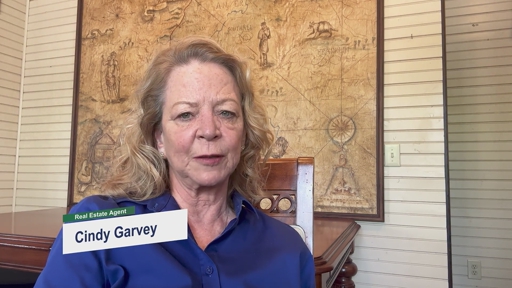
Site Preparation, Utilities, and Septic: What Land Buyers Often Miss features insights from Cindy Garvey, Rural Land Expert of Franklin, Tennessee, in HelloNation.
About HelloNation
HelloNation is America's Good News Network, a premier media platform built on the idea that good news travels faster when real people tell real stories. Through its community-focused digital publications and innovative "edvertising" approach, HelloNation delivers expert-driven, good-news content that informs, inspires, and spotlights the leaders making a meaningful impact in their communities.
SOURCE HelloNation





Share this article