


In HelloNation, Swim School Expert Woody Alpern of Atlanta Details Water Safety Rules for Kids Before Pool Season
ATLANTA, Oct. 19, 2026 /PRNewswire/ -- What water safety rules should children know before pool season begins? A HelloNation article answers this question by outlining critical safety strategies that Atlanta families can use to help prevent accidents and build safe habits around water.
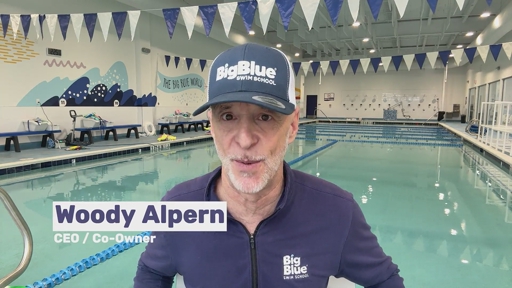
The article emphasizes that child water safety education starts with clear, consistent instruction and continues through supervision, swim lessons, and emergency preparedness. A key framework introduced is the SAFER system, which stands for: Swim with a buddy, Assign a Water Watcher, Acquire CPR and first aid training, Find and reduce water hazards, and Enroll children in formal swim lessons. Each of these elements works together to reinforce safety in and around pools, lakes, and other bodies of water.
One of the first rules children should learn is to never swim alone. The "Swim with a buddy" guideline ensures that children are always paired with someone who can assist or call for help in case of trouble. This rule promotes accountability and increases overall safety during both structured and recreational swimming.
"Assign a Water Watcher" is another crucial rule discussed in the article. It reminds parents to designate an adult whose only task is to supervise the water at all times. Especially during busy pool parties or gatherings, this focused supervision can prevent accidents caused by split attention. A Water Watcher helps enforce water safety rules for kids by staying alert and responsive.
The article also encourages adults to "Acquire CPR and first aid training." Knowing how to act in an emergency increases the chances of a positive outcome if an incident occurs. These skills are widely accessible in the Atlanta area and can offer peace of mind for parents during pool season. Children, in turn, feel more secure knowing their caregivers are prepared.
"Find and reduce water hazards" is a step that addresses environmental risks. From locking pool gates to clearing clutter around the pool and removing toys after use, the article notes that these small actions help prevent unintentional entries or slips. The right safety equipment and a well-maintained pool area are just as important as lessons and supervision.
Formal instruction is a critical part of swimming safety. The article highlights that infant swim lessons in Atlanta GA and toddler swim classes are important early steps toward drowning prevention. Children who receive structured instruction are more likely to learn essential skills like floating, breath control, and movement toward the pool's edge. These lessons, when combined with safety education, reduce drowning risk significantly.
In addition to enrolling children in lessons, parents are encouraged to teach everyday pool safety tips. These include no running on wet surfaces, always asking permission before entering the water, and listening to instructors or lifeguards. The article recommends using games or role-playing to reinforce these lessons and make them fun and memorable for younger swimmers.
Situational awareness is another focus of the article. Children should know how to read their environment—whether it's the depth of a pool, the location of exits and ladders, or the presence of currents in natural bodies of water. Teaching children to observe and assess their surroundings promotes safer decision-making during swimming activities.
Emergency response skills are also part of child water safety education. The article explains that children should know how to react if someone else is in danger. Learning to call 911, alert an adult, and avoid entering the water themselves can help save lives. Practicing these scenarios builds confidence and prepares children for real-world situations.
The article concludes by reinforcing the need for consistency. Teaching water safety rules for kids should be an ongoing conversation—not just a one-time talk before pool season. Pairing instruction at home with ongoing swim lessons ensures that children receive repeated exposure and understand how to apply safety habits in different settings.
Water Safety Rules Every Child Should Know Before Pool Season features insights from Woody Alpern, Swim School Expert of Atlanta, GA, in HelloNation.
About HelloNation
HelloNation is a premier media platform that connects readers with trusted professionals and businesses across various industries. Through its innovative "edvertising" approach that blends educational content and storytelling, HelloNation delivers expert-driven articles that inform, inspire, and empower. Covering topics from home improvement and health to business strategy and lifestyle, HelloNation highlights leaders making a meaningful impact in their communities.
SOURCE HelloNation






Share this article