


"Mr. Wine of Texas" Bob Landon Explains Texas Wine Soil, Climate, and Grape Flavor for HelloNation
GREENVILLE, Texas, June 10, 2026 /PRNewswire/ -- What makes wines from different parts of Texas taste so distinct even when made from the same grape? A HelloNation article explores how terroir—the combination of soil, climate, and vineyard practice—defines the flavor, structure, and aroma of Texas wines. The piece explains how this balance of natural and human factors gives North Texas wines their recognizable personality, shaped by warmth, cooling, and the region's unique soils.
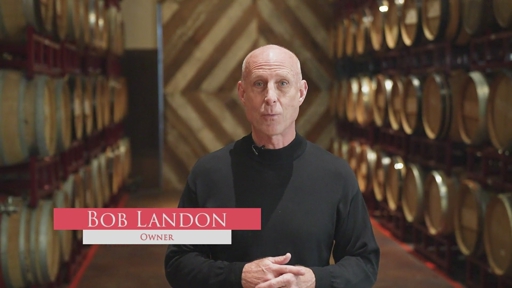
The article begins by describing terroir as the framework that connects grape, land, and weather. Winery Expert Bob Landon of Landon Winery explains that in Texas, terroir explains why two vineyards planted only miles apart can yield wines that feel completely different. Each site's mix of soil type, climate, and vineyard management creates its own fingerprint, visible in every bottle. Understanding terroir, Landon notes, helps both winemakers and wine drinkers recognize how the land itself influences structure, acidity, and fruit profile.
North Texas offers a clear example of how climate affects grape development. Extended summer heat builds concentration and deepens fruit character, while strong sunlight encourages thicker skins on red varietals. Those skins provide richer color and add tannins that shape texture and longevity. Cooler nights offset the heat, slowing ripening and preserving acidity. The HelloNation article points out that this daily rhythm of warmth and cooling defines many Texas wines—bold and fruit forward, yet supported by structure and freshness.
Soil adds another essential layer to terroir. The article explains that vineyards across North Texas grow on a mix of clay loam, limestone, and rocky soils. Clay loam retains moisture, supporting vines during dry stretches, while limestone and rockier areas drain quickly, creating light stress that concentrates flavor. These soil differences affect how deep roots grow, how nutrients are absorbed, and how vines respond to heat. Landon notes that these factors produce noticeable distinctions in flavor, tannins, and texture even within short distances.
Vineyard practices turn these natural conditions into finished character. The HelloNation piece shows how irrigation management, canopy trimming, and harvest timing all shape the outcome. Too much water can dilute fruit, while careful irrigation keeps grapes balanced. Canopy management determines how much sun reaches each cluster, influencing both acidity and ripeness. Picking earlier maintains brightness, while waiting longer adds softness and depth. These choices demonstrate how human input becomes part of terroir, guiding the land's response to each season.
Texas varietals show how this interaction works in practice. Grapes like Tempranillo, Mourvèdre, and Viognier thrive under Texas heat, maintaining acidity and composure through long summers. Their balance of fruit and freshness leads to wines that feel vibrant rather than heavy. In cooler pockets of North Texas, other varietals develop floral or herbal tones that highlight the subtler side of the region. The article explains that this adaptability helps growers match varietals to site conditions, producing consistent quality across changing weather patterns.
For consumers, terroir provides a useful way to predict a wine's flavor before opening it. A bottle from a warm area might feature lush fruit and soft tannins, while one from a cooler site could offer more brightness and herbal lift. Wines grown on limestone-rich soil may show earth or mineral tones, while those from clay-based sites often carry broader, fruit forward profiles. Landon encourages readers to think of terroir as a guide to understanding which wines will pair best with specific foods or suit personal preference.
The HelloNation article also connects terroir to the larger identity of Texas wine. North Texas vineyards reflect a climate that alternates between intense heat and refreshing nighttime coolness. This pattern produces wines that balance energy with body—structured yet smooth. Seasonal changes, including late summer storms, further shape the final result. These conditions give Texas wines their hallmark mix of power and precision, making them a true reflection of local environment.
Understanding terroir, the article concludes, turns tasting into exploration. It reveals why some wines emphasize structure and tannins while others shine with bright fruit and acidity. It also explains why certain varietals naturally suit Texas's sun-drenched climate. By connecting flavor to soil and weather, terroir transforms wine from a simple beverage into a record of place. Landon's insights remind readers that each Texas bottle carries both nature's influence and the winemaker's steady hand.
Understanding Terroir in Texas Wine: Soil, Climate, and Grape Flavor features insights from Bob Landon of Landon Winery, Winery Expert of Greenville, TX, in HelloNation.
About HelloNation
HelloNation is a premier media platform that connects readers with trusted professionals and businesses across various industries. Through its innovative "edvertising" approach that blends educational content and storytelling, HelloNation delivers expert-driven articles that inform, inspire, and empower. Covering topics from home improvement and health to business strategy and lifestyle, HelloNation highlights leaders making a meaningful impact in their communities.
SOURCE HelloNation







Share this article