New Peer-Reviewed Publication Explores How Rare Agarikon Mycelium Interacts with Human Immune Cells in Basal and Stimulated Conditions
OLYMPIA, Wash., Sept. 10, 2026 /PRNewswire/ -- Fungi Perfecti, LLC announced today the publication of a new peer-reviewed research article in Frontiers in Immunology examining how Agarikon (Fomitopsis officinalis, syn. Laricifomes officinalis) mycelium influences immune signaling in human immune cells under both basal and LPS-stimulated conditions in preclinical evaluations.
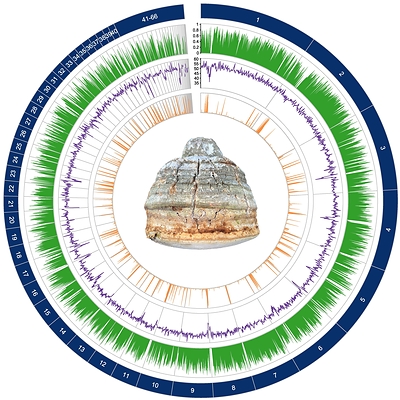
The article, titled "Adaptive Resilience: Agarikon Mycelium Modulates Immune Responses and Provides Oxidative Stress Buffering in Human Immune Cells," reports that Agarikon mushroom mycelium demonstrated a coordinated, context-dependent response profile in the study's test system—findings the authors say support continued investigation and clinical validation.*
"Agarikon has a long history of traditional use across cultures, and modern research continues to expand our understanding of how its compounds may interact with biological systems," said Chase Beathard, PhD, Director of Research and Development at Fungi Perfecti, and principal investigator for the study. "Interrelated with some of our recent clinical work, we're pleased to see this study published in a leading immunology journal and look forward to further research that builds on these findings."*
Study Background:
Agarikon is a rare, slow‑growing fungus traditionally associated with wellness practices in a number of cultures. Because Agarikon fruiting bodies are typically found in old‑growth forest habitats and develop slowly, the researchers noted that cultivated mushroom mycelium may offer a more accessible preparation for research into its biological activity.
In addition, the use of Agarikon mushroom mycelium in research works to prevent wild harvesting of the fungus, which is currently at risk. Fungi Perfecti currently maintains the world's largest Agarikon strain library to preserve the species. After several decades, Fungi Perfecti has collected cultures from more than 120 Agarikon specimens.
"In these rapidly changing times, supporting human and planetary immunity should be considered key elements for protecting our collective future," said Paul Stamets, Founder, Member, and Owner at Fungi Perfecti. "Agarikon is a stellar example of the common interests we share from ancient times to the present. Our dedicated research has led to—and is leading to—several publications like this. The continuing story of exploring Agarikon for supporting immunity is compelling."*
Methods and Research Overview:
According to the publication, this preclinical study evaluated transcriptomic effects of Agarikon mycelium in human peripheral blood mononuclear cells (PBMCs) under:
- Basal conditions—a term used to represent a mode of the study where evaluated immune cells were in a healthy state
- LPS‑stimulated conditions—a commonly used laboratory model for immune stress stimulation, or immune challenge
These preclinical evaluations were conducted alongside laboratory evaluations of antioxidant activity, iron‑chelating activity, and kinase binding activity. The study also assessed two Agarikon fractions for effects on cell viability and proliferation and for induction of select cytokine targets.
Key Results as Reported in the Publication:
The researchers reported that:
- Under basal conditions, the authors observed changes in gene expression patterns related to innate immune signaling involving IL‑1 and NF‑κB pathways, alongside measured changes in select immune mediators such as IL‑1RA and decreases in certain toll‑like receptor transcripts.*
- Under LPS‑stimulated conditions, where cells were placed under immune stress in vitro, the immune response profile shifted in a context‑dependent way. Measured increases in select immune effectors (including TLR5) and changes associated with cytokine signaling were reported under the stimulated condition.*
"During our study evaluations, we observed changes in immune cell signaling under healthy, basal conditions that may be consistent with immune preparedness," Beathard said. "In the laboratory stress-challenge model (LPS-stimulated), the changes we observed displayed a context-dependent pattern consistent with balanced immune signaling."*
Overall, the authors concluded that the observed pattern suggests a coordinated response profile and supports further investigation. These findings are from a preclinical laboratory model and do not necessarily demonstrate effects in humans, warranting further research.
About Fungi Perfecti, LLC
Fungi Perfecti, LLC conducts research and development focused on fungi, including cultivation, characterization, and scientific investigation of fungal biology and applications. The company operates the functional mushroom supplement brand, Host Defense® Mushrooms™, and supports scientific inquiry and publication in collaboration with the broader research community. Follow Fungi Perfecti on TikTok, Instagram, Facebook, YouTube, and LinkedIn. *
*These statements have not been evaluated by the Food and Drug Administration. These products are not intended to diagnose, treat, cure, or prevent any disease.
SOURCE Fungi Perfecti, LLC





Share this article