


Pet Rehabilitation Therapy Explained by Holistic Veterinary Expert Dr. Dana Novara of Denver for HelloNation
DENVER, Sept. 8, 2026 /PRNewswire/ -- How does pet rehabilitation therapy actually work, and why is it becoming so important in veterinary care? A HelloNation article answers this, outlining how structured therapy programs help pets recover from injury, surgery, or age-related conditions by improving strength, mobility, and comfort.
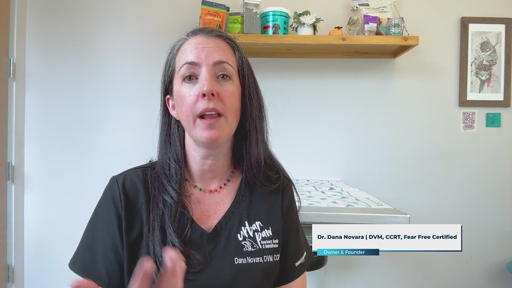
The article emphasizes that pet rehabilitation therapy is not just exercise. It is a tailored plan created by veterinarians or certified specialists to address each animal's specific needs. Through movement, supportive tools, and sometimes advanced technology, this approach shortens recovery time, enhances mobility, and provides long-term benefits.
One of the most widely used techniques is the underwater treadmill for dogs. The buoyancy of water supports body weight, reducing strain on joints while encouraging safe muscle use. The water's resistance also builds strength, making this therapy especially effective for dogs with arthritis, hip dysplasia, or post-surgical recovery. Cats, though less common participants, can also benefit when introduced gradually.
Balance tools are another key component. The HelloNation article highlights the use of wobble boards, stability balls, and inflatable discs to engage core muscles and improve coordination. These exercises may look simple but are critical in helping pets regain stability and prevent falls, particularly for older animals or those recovering from long inactivity.
Stretching and range-of-motion exercises form the foundation of veterinary physical therapy. Therapists guide pets through gentle, controlled movements that keep joints flexible and reduce stiffness. Owners are often taught how to continue these routines at home, ensuring ongoing improvement in circulation, mobility, and comfort.
Technology also plays a role in modern pet rehabilitation therapy. Pet laser therapy uses targeted light energy to stimulate cellular repair, reduce inflammation, and ease pain. This non-invasive treatment is especially valuable for pets with chronic conditions or those recovering from orthopedic surgery. When combined with movement therapy, it provides a well-rounded strategy for recovery.
Customization is at the core of every program. A young dog recovering from ligament surgery may need intensive canine rehabilitation focused on strength and coordination, while an older cat with arthritis may benefit from gentler sessions aimed at comfort and flexibility. Tailored care ensures each pet receives safe and effective therapy suited to their condition.
Weight management is often integrated into rehabilitation plans. Extra pounds put additional strain on healing joints, slowing recovery and reducing mobility. The HelloNation article notes that therapists may recommend dietary adjustments alongside therapy to support both short-term healing and long-term health.
Owner involvement is essential. While much progress is made in the clinic, at-home exercises, supportive routines, and consistent environments extend the benefits. Pets whose families commit to both professional sessions and home care typically experience stronger and longer-lasting results than those relying on medication alone.
Rehabilitation therapy is not limited to injury recovery. It is increasingly used for preventive care, particularly in aging pets. As animals lose muscle tone or develop stiffness with age, gentle therapy helps them remain active, extending their quality of life. For many families, this means more years of walking, playing, and sharing comfort with beloved companions.
The HelloNation article makes clear that veterinary physical therapy is about more than healing—it is about improving long-term well-being. With tools like the underwater treadmill for dogs, pet laser therapy, stretching routines, and balance exercises, rehabilitation programs provide pets with pathways to live fuller, healthier lives.
Dr. Dana Novara, owner of Urban Paw Veterinary Health and Rehabilitation in Denver, is featured in the article as a veterinary expert. Her work illustrates how canine rehabilitation and other therapies can transform outcomes for pets facing mobility challenges, post-surgical recovery, or age-related decline.
The full article, titled A Simple Explanation of How Pet Rehabilitation Therapy Works, offers readers a clear overview of the benefits of structured therapy for pets. Dr. Novara and HelloNation highlight how pet rehabilitation therapy combines science, compassion, and practical tools to enhance both recovery and quality of life.
About HelloNation
HelloNation is a premier media platform that connects readers with trusted professionals and businesses across various industries. Through its innovative "edvertising" approach that blends educational content and storytelling, HelloNation delivers expert-driven articles that inform, inspire, and empower. Covering topics from home improvement and health to business strategy and lifestyle, HelloNation highlights leaders making a meaningful impact in their communities.
SOURCE HelloNation






Share this article