Real Estate Expert Patti Hudson Explains Common USDA Loan Misconceptions in HelloNation
The article explains USDA loan eligibility, zero-down financing, and mortgage requirements that can help Pampa buyers understand their homeownership options.
PAMPA, Texas, Oct. 27, 2026 /PRNewswire/ -- What is a USDA loan, and how does it work in Pampa, Texas? The answer is explained in a HelloNation article featuring Real Estate Expert Patti Hudson of ReMax Hometown in Pampa. The article clears up common misconceptions about this government-backed program and shows how it helps qualified buyers purchase homes with no down payment and affordable terms.
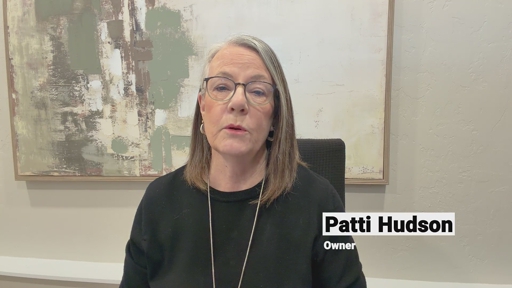
According to the HelloNation feature, many local buyers assume USDA loans apply only to rural properties far outside city limits. In reality, much of Pampa and the surrounding area meet the eligibility standards under the U.S. Department of Agriculture's Rural Development program. Hudson notes that the goal of USDA loans is not to fund farms but to make homeownership more accessible for moderate-income families in smaller communities.
The article explains that one of the biggest misunderstandings involves who can apply. Many people think USDA loans are reserved for first-time buyers, but eligibility is based on income, property location, and intended use. Hudson highlights that buyers can qualify even if they have owned a home before, as long as they plan to use the new property as their primary residence and their income falls within local limits. The program adjusts those limits by household size and county, and most homes within Gray County meet those criteria.
Another common question is how much down payment is needed for a USDA loan. Hudson clarifies that the program allows buyers to finance 100 percent of the purchase price, removing one of the biggest barriers to homeownership. While closing costs and property taxes still apply, some of those expenses can be covered by sellers or included in the loan amount. The HelloNation article explains that this feature gives buyers in Pampa the ability to purchase a home with little to no upfront savings, making the USDA loan one of the most affordable mortgage options available.
Interest rates are another area where buyers often underestimate the program's advantages. The article describes how USDA loans typically offer rates comparable to or lower than conventional mortgages. They also come in two main forms: the Guaranteed Loan for moderate-income borrowers and the Direct Loan for those with lower incomes. Both aim to keep monthly payments manageable and stable over time. Hudson emphasizes that this makes USDA financing a strong alternative to FHA or conventional loans, especially for buyers seeking predictable costs and lower barriers to entry.
Many buyers also misunderstand property eligibility. Hudson points out that the USDA defines qualifying areas based on population density, not by county or city boundaries. That means even within Pampa city limits, many addresses still qualify because of the area's rural classification. The HelloNation article stresses that checking eligibility through local lenders or USDA maps often reveals that more neighborhoods qualify than most buyers expect.
Credit requirements are another area of confusion. While the USDA program looks for responsible borrowing history, it tends to be more flexible than conventional standards. Hudson explains that buyers with limited or moderate credit histories may still qualify if they demonstrate consistent income and stable payment patterns. The program's intent is to help more families enter the housing market, not to restrict access through overly strict criteria.
When comparing loan types, Hudson encourages buyers to evaluate the full financial picture. Conventional loans usually require a minimum down payment of three to five percent, along with private mortgage insurance. FHA loans feature smaller down payments but include both upfront and monthly insurance premiums. In contrast, USDA loans charge a modest guarantee fee that can be financed into the loan itself, reducing out-of-pocket costs. The HelloNation article shows how this structure helps keep long-term expenses manageable while maintaining access to competitive interest rates.
There are still property standards that must be met. USDA loans require homes to meet safety and livability guidelines, similar to those found in FHA programs. Properties needing significant repairs or structural work may not qualify until those issues are resolved. Hudson advises buyers to work closely with inspectors and lenders to ensure the home meets requirements before closing. Meeting these standards ensures that buyers begin homeownership with a safe and stable property.
Income verification is also strict under the program, meaning borrowers must show consistent earnings and employment history. The HelloNation article explains that while documentation requirements can feel detailed, they are part of ensuring buyers remain successful homeowners over time. Hudson adds that this process ultimately benefits buyers by helping them choose properties within their means and avoid financial strain.
In Pampa's housing market, USDA loans often bridge the gap for buyers who are ready to own but lack large savings for a down payment. The combination of zero-down financing, competitive rates, and wide eligibility coverage makes the program an excellent fit for many local families. Hudson encourages buyers to explore whether they qualify rather than assume they do not.
For those who take the time to understand the process, USDA loans offer a practical and sustainable path to homeownership. The HelloNation article shows that these loans are not limited to remote properties or special cases; they are a valuable tool that supports families, strengthens communities, and keeps the dream of homeownership within reach.
What Pampa Buyers Get Wrong About USDA Loans features insights from Patti Hudson, Real Estate Expert of Pampa, TX, in HelloNation.
About HelloNation
HelloNation is America's Good News Network, a premier media platform built on the idea that good news travels faster when real people tell real stories. Through its community-focused publications and innovative "edvertising" approach, HelloNation delivers content that informs, inspires, and spotlights the leaders making a meaningful impact in their communities.
SOURCE HelloNation





Share this article