


Statement: For Second Straight Year, 10 Million Older Adults Live in Poverty
Key Takeaways:
- Ten million older Americans still cannot afford basic needs like food, medicine, and housing.
- The poverty rate for older adults continues to be higher than 15% in 2025 under the Supplemental Poverty Measure. It is also higher than the national average and the rates for other age groups.
- Millions of eligible older adults are missing out on benefits that could help pay for food, health care, and other basic needs—making stronger outreach and streamlined enrollment essential.
ARLINGTON, Va., Sept. 16, 2026 /PRNewswire/ -- The following is a statement from Ramsey Alwin, President and CEO of the National Council on Aging (NCOA), on the latest U.S. Census Bureau data on poverty, income, and health insurance in 2025.
"It's shocking that millions of older Americans continue to live in poverty. Their poverty rate keeps inching up above 15% under the Supplemental Poverty measure. This is higher than for all other age groups and the national rate. This means more than 10 million of our older friends, family, and neighbors do not have enough money to afford food, medicine, and housing—the very basics needed to live with dignity. No one should have to make such painful tradeoffs after a lifetime of contributing to our society. It's time that we create the conditions for all to age well in America."
"Under the Supplemental Poverty Measure (SPM), the older adult poverty rate went up to 15.4% in 2025, from 15.1% in 2024 and 14.0% in 2023. SPM is a more accurate representation of economic well-being in our country because it takes into consideration a household's economic resources, including benefits like food assistance, and compares it with a poverty threshold set to reflect actual spending.
"Poverty is not just about quality of life. It literally robs older Americans of longevity. NCOA and UMass Boston research found that people age 60 and older who earn $20,000 or less per year die 9 years earlier than those who earn $120,000 or more annually.
"The average Social Security benefit is only a little over $2,000/ month this year. Many older adults have much less than that and no other income. Another study with our UMass Boston colleagues found that almost half of people 60 and older have incomes below what they need to cover basic living needs.
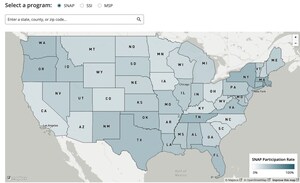
"While Social Security did lift almost 21 million older Americans out of poverty in 2025, programs like the Supplemental Nutrition Assistance Program (SNAP), Medicare Savings Programs (MSPs), and the Supplemental Security Income (SSI) continue to be a much-needed lifeline. Yet, our Benefits Participation Map shows that more than 9 million eligible older adults are not enrolled. We urge the federal and state governments to ensure that seniors get the benefits they qualify for. Several states are streamlining MSP enrollment, which is one important step toward solving this problem at the systems level.
"NCOA is committed to creating the conditions for all to age well—today and into the future. That starts with ending older adult poverty. Every American deserves to age with dignity, health, and economic well-being."
About NCOA
The National Council on Aging (NCOA) is the national voice for every person's right to age well. Working with thousands of national and local partners, we provide resources, best practices, and advocacy to create the conditions for all to age well today and into the future. Founded in 1950, we are the oldest national organization focused on older adults. Learn more at www.ncoa.org and @NCOAging.
SOURCE National Council on Aging






Share this article