


IRVINE, Calif., July 1, 2026 /PRNewswire/ -- For years, the conversation around electric vehicles has largely focused on one metric: How many cars are sold. While EV adoption remains an important indicator of progress, it tells only part of the story. The transition to sustainable transportation ultimately depends on something much broader - a connected mobility ecosystem where charging infrastructure, public transportation, shared mobility and digital innovation work together.
Around the world, governments and automakers are recognizing that the future of transportation cannot be measured by vehicle sales alone. Consumers adopt an entire mobility experience. That experience is shaped by whether charging is readily available, whether public transit offers clean alternatives, whether smaller electric vehicles can solve urban transportation challenges, and whether new technologies can make driving safer and more accessible.
In other words, green mobility is fundamentally an infrastructure challenge as much as it is a vehicle technology challenge.
This systems-based approach is becoming increasingly relevant as cities grow denser, traffic congestion intensifies, and countries pursue climate goals. Electrifying transportation requires an ecosystem capable of supporting millions of daily journeys.
VinFast has embraced this broader vision from the outset. The company is building a comprehensive mobility ecosystem designed to expand access to sustainable transportation across multiple use cases and markets.
Green Mobility Is an Ecosystem
In the first quarter of 2026, VinFast delivered 58,577 electric vehicles worldwide, representing a 61% year-over-year increase, while international markets accounted for approximately 8% of total deliveries. In Vietnam, the company maintained its position as the country's number one automotive OEM, while continuing to strengthen its presence internationally, ranking as the number one BEV brand in the Philippines, fourth in India, and eighth in Indonesia by the end of the first quarter. Yet one of the most telling indicators of VinFast's ecosystem strategy extends beyond passenger vehicles. During the same quarter, the company delivered 143,136 electric scooters and e-bikes, an impressive 219% increase compared to the first quarter of 2025.
Different communities have different mobility needs. Dense urban centers often benefit from compact electric scooters and e-bikes that reduce congestion while improving affordability. Families may require larger electric SUVs for longer trips. Businesses increasingly seek commercial electric solutions, while cities need cleaner public transportation options to reduce emissions at scale.
No single product can solve every transportation challenge. A diverse ecosystem can.
Charging accessibility represents another critical pillar of that ecosystem. Even the most advanced electric vehicle cannot deliver its full value if charging remains inconvenient or difficult to access. Consumers consistently cite charging availability as one of the most important factors influencing EV adoption, making infrastructure just as important as battery technology itself.
Recognizing this, VinFast continues to expand its global retail and after-sales network, reaching 447 showrooms worldwide by the end of the first quarter of 2026. Beyond physical retail locations, the company has prioritized improving the ownership experience by ensuring customers have access to reliable service and convenient charging solutions.
Building the Infrastructure That Makes Sustainable Mobility Accessible
The U.S. market provides a compelling example of this customer-first approach. As one of the world's most competitive automotive markets, the United States presents unique challenges.
VinFast's U.S. strategy centers on accessibility. Competitive leasing programs significantly reduce the upfront cost of EV ownership, making electric mobility attainable for a broader range of consumers at a time when affordability has become increasingly important.
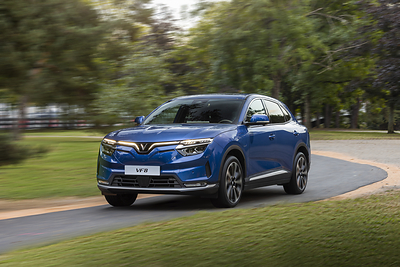
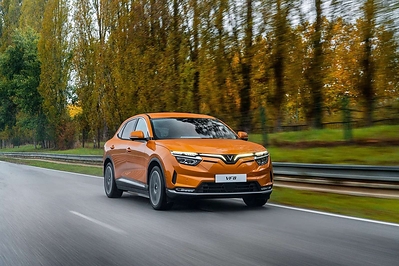
The company's vehicle portfolio further reflects this philosophy. The VF 8 Eco, starting at an MSRP of $39,900, combines practical pricing with attractive customer incentives, including 0% APR financing for up to 84 months and retail bonus cash. The VF 8 Plus adds premium features while maintaining strong value, while the three-row VF 9 targets families seeking spacious electric transportation with premium design developed in collaboration with Pininfarina.
Technology also plays an important role in improving accessibility. The VF 9 incorporates an advanced suite of driver assistance technologies, including Highway Driving Assist, Automatic Lane Changing, On-Ramp and Off-Ramp Assist, Remote Parking, and Summon Mode, helping reduce driver workload while enhancing everyday convenience.
Equally important, VinFast reinforces long-term ownership confidence through an industry-leading 10-year or 125,000-mile vehicle warranty, while providing access to approximately 95% of public EV charging stations across the United States. Together, these advantages help address two of the most significant barriers to EV adoption, ownership cost and range anxiety.
Looking beyond today's market, the future of green mobility will also depend on intelligent transportation technologies. Autonomous driving, connected vehicles, and AI-powered mobility systems have the potential to improve safety, optimize traffic flow, and make transportation more efficient for growing urban populations.
In June 2026, VinFast took another step toward that future by announcing a strategic collaboration with NVIDIA and Autobrains to develop a next-generation Level 4 autonomous driving program for Southeast Asia built on the NVIDIA DRIVE Hyperion platform. The initiative aims to make advanced autonomous driving technology more accessible while adapting it to the complex traffic conditions found across emerging markets.
Ultimately, the transition to cleaner transportation will not be won through vehicle sales alone. It will be shaped by the strength of the ecosystems surrounding those vehicles, the charging infrastructure that powers them, the mobility options that complement them, the digital technologies that enhance them, and the customer experiences that encourage widespread adoption.
Green mobility is not simply about replacing one car with another. It is about reimagining how people move. And the companies that succeed will be those building not just better electric vehicles, but better mobility systems.
SOURCE VinFast





Share this article