


Criminal Defense Attorney Frank Walker Explains the Right to Remain Silent During Police Encounters in HelloNation
The Article Explains How West Virginia Law Protects the Right to Remain Silent and Why Clearly Invoking That Right Matters During Police Questioning.
MORGANTOWN, W.Va., Oct. 5, 2026 /PRNewswire/ -- Many people feel unsure about how to use their right to remain silent during a police encounter. A new HelloNation article by Morgantown criminal defense attorney Frank Walker explains how this fundamental protection works under West Virginia law and why it matters in real situations.
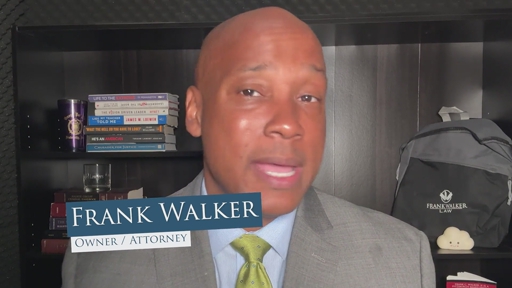
The article explains that your right to remain silent is one of the earliest safeguards available during any police encounter. West Virginia law provides this protection to every person as soon as an officer begins asking questions about possible criminal conduct. The HelloNation piece notes that this right is not about avoiding responsibility. Instead, it gives you time to understand what is happening and speak with a lawyer before making statements that could be misunderstood later. The article states that a simple, calm statement is enough to assert this right and set a firm boundary.
The HelloNation article shows how police encounters often feel pressured. People may worry that silence suggests guilt. However, officers frequently hear such requests, and West Virginia law fully supports the decision to remain silent. Even honest people can feel confused when lights are flashing, and questions come quickly. Walker notes that while a short pause may help, an explicit statement is stronger. A clear request for a lawyer is also protected under the same legal framework and helps prevent early mistakes.
Walker connects silence to the broader goal of self-protection. Once you state your right to remain silent, officers must end questioning until a lawyer is present. This pause shields you from giving details that might later be viewed as inconsistent or incomplete. West Virginia law aims to prevent confusion by making the right to remain silent easy to exercise and recognize in any police encounter.
The article also expands the conversation beyond immediate questioning, showing how statements made at the scene of an accident can affect a later personal injury claim. Many people worry about medical bills and want to explain everything quickly, but silence and careful documentation often go hand in hand. West Virginia law places great importance on the accuracy of personal injury claims because insurance companies closely evaluate evidence when deciding on payments. A rushed statement can affect fault determination and who pays the medical bills.
Medical bills often keep arriving while a personal injury claim is pending, and providers may expect payment before a settlement or judgment is reached. However, this does not mean a person loses the chance to recover those costs. West Virginia law allows these expenses to be included as damages from the at-fault party or their insurance carrier. Records of treatment appointments and charges become key parts of the claim process.
The HelloNation analysis connects these points directly. It explains that silence during a police encounter helps you avoid confusion, while documentation in a personal injury claim helps you show what happened. In both situations, a lawyer can guide you through each step. People often feel overwhelmed by fault, insurance concerns, and medical bills, but each part of the law relies on clear steps to help avoid early mistakes.
The article also explains that insurance companies weigh every detail in a personal injury claim, including statements made at the scene of an accident. Silence is not only lawful but can prevent disputes about what was said or meant. When fault is disputed, West Virginia law provides tools to avoid confusion: silence during a police encounter prevents inadvertent admissions, while careful records of medical bills and treatment support the claim later. Both steps help guide the case toward a fair outcome based on facts rather than rushed statements in a police encounter. The article makes clear that West Virginia law says otherwise and that the right to remain silent applies during traffic stops, home investigations, or any situation where an officer believes a crime may have occurred. A lawyer can help explain these rights further, and the article emphasizes that using your right to remain silent does not block you from cooperating later in a more informed way.
Walker concludes that knowing when to pause and when to document can reduce stress. Silence protects you from confusion at the earliest stage of a police encounter, while documentation protects you during a personal injury claim when medical bills build and insurance questions arise. Both rights serve the same purpose under West Virginia law.
Read the full article, "Your Right to Remain Silent in WV Explained," featuring insights from Frank Walker at HelloNation.
Attorney Frank Walker is a Law Professor, a leader in Criminal Justice Reform with a Ph.D. in leadership studies, and a sought-after criminal defense & Personal Injury attorney in Western Pennsylvania and Northern West Virginia.
About HelloNation
HelloNation is a premier media platform that connects readers with trusted professionals and businesses across various industries. Through its innovative "edvertising" approach that blends educational content and storytelling, HelloNation delivers expert-driven articles that inform, inspire, and empower. Covering topics from home improvement and health to business strategy and lifestyle, HelloNation highlights leaders making a meaningful impact in their communities.
SOURCE HelloNation






Share this article