


Document Shredding Expert Rhet Crowe of Centerville, Ohio Highlights Why Recycling Is Not Secure Document Disposal in HelloNation
CENTERVILLE, Ohio, July 14, 2026 /PRNewswire/ -- Is placing sensitive documents in recycling bins a safe way to dispose of them? That question is answered in a HelloNation article that explains why secure document disposal must begin with shredding, not recycling. Document Shredding Expert Rhet Crowe of Centerville, Ohio shares professional insight into how recycling practices fall short when it comes to protecting personal and medical information.
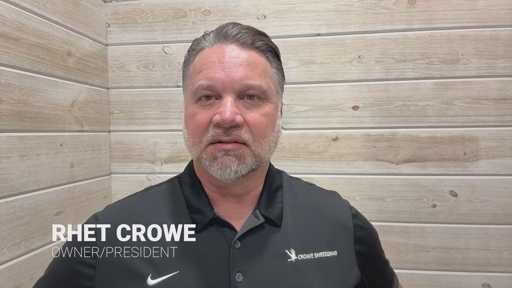
The article points out a common misconception: many people believe that recycling is an acceptable way to dispose of sensitive documents. In reality, recycling bins are designed to collect materials—not to protect data. Crowe emphasizes that until paper is physically destroyed, the information it holds can still be accessed, read, or misused. Secure paper shredding, not recycling, is what ensures confidential data is no longer recoverable.
When documents are placed into recycling bins, they often sit for long periods in open containers or trucks before processing. During this time, sensitive documents are visible and vulnerable. Papers containing personal information, financial records, or medical information may pass through multiple hands in sorting facilities. The HelloNation article explains that many recycling streams involve manual sorting, meaning documents are handled by workers before they are processed, increasing the risk of exposure.
Another issue raised in the article is the assumption that recycling facilities immediately destroy paper beyond recognition. In practice, this is rarely the case. Crowe notes that documents often travel through several locations and stages before being fully broken down. This delay provides additional opportunities for unauthorized access or accidental leaks, especially when recycling bins contain unshredded sensitive documents.
Secure document disposal requires that documents be destroyed before they ever leave the home or office. Secure paper shredding addresses this need by reducing documents into small, unreadable pieces that cannot be reconstructed. Only after this process is complete should the shredded material enter the recycling stream. This sequence ensures that personal and medical information is fully protected while still supporting environmental goals.
The article also makes it clear that this risk isn't just a concern for large organizations. Households regularly dispose of sensitive documents such as bank statements, tax records, and insurance forms. Crowe explains that placing these items directly into recycling bins creates unnecessary vulnerability. Identity theft and privacy violations often begin with improperly discarded paper, not digital breaches.
In addition to personal risk, businesses that recycle sensitive documents without shredding may violate legal standards. Many privacy laws require secure document disposal—not just responsible recycling. By skipping the shredding step, companies risk noncompliance with regulations that are designed to protect customer and employee data.
Crowe advises that understanding the roles of both shredding and recycling is the key to secure disposal. Recycling protects the environment, while secure paper shredding protects information. One cannot replace the other. The article reinforces that the most effective approach is to combine both: shred first, then recycle.
Why Recycling Is Not Secure Document Disposal features insights from Rhet Crowe, Document Shredding Expert of Centerville, Ohio, in HelloNation.
About HelloNation
HelloNation is a premier media platform that connects readers with trusted professionals and businesses across various industries. Through its innovative "edvertising" approach that blends educational content and storytelling, HelloNation delivers expert-driven articles that inform, inspire, and empower. Covering topics from home improvement and health to business strategy and lifestyle, HelloNation highlights leaders making a meaningful impact in their communities.
SOURCE HelloNation





Share this article